📌 Disclaimer
Prices, schedules, tour details, flight routes, visa requirements, and all other information on this page are based on data at the time of writing. Fares, availability, and policies may change. Please verify current details on the official website before booking.
Why Visit Bali?#
Bali, often dubbed the “Island of the Gods,” is a tropical paradise that captivates travelers with its stunning landscapes, rich culture, and warm hospitality. Whether you’re drawn by the vibrant rice terraces, the serene beaches, or the spiritual ambiance of its temples, Bali offers an enchanting escape from everyday life. What sets Bali apart is not just its breathtaking scenery but also its unique blend of ancient traditions and modern tourism, allowing visitors to immerse themselves in both the local culture and contemporary comforts.
The island is a treasure trove of experiences, from exhilarating outdoor adventures like surfing and hiking to tranquil moments spent in lush gardens and serene spas. The Balinese people are known for their friendliness, making it easy for travelers to connect with the locals and learn about their customs. As you explore Bali, you’ll discover that this island is more than just a destination; it’s a vibrant community that invites you to experience life like a local.
Best Time to Visit Bali#

Bali enjoys a tropical climate, which means the weather is generally warm and humid year-round. However, the best time to visit Bali is during the dry season, which runs from April to October. During these months, you can expect plenty of sunshine, less humidity, and minimal rainfall, making it ideal for outdoor activities and beach days.
The wet season, from November to March, brings higher humidity and frequent rain showers, particularly in December and January. While the island is less crowded during this time, it’s essential to note that some outdoor activities may be limited. If you’re looking for lower prices and fewer tourists, visiting during the shoulder months of April, May, September, and October can provide a good balance of pleasant weather and affordability.
Where to Stay in Bali#

Bali offers a diverse range of neighborhoods, each with its own unique charm and atmosphere. Here are some top recommendations across various budget tiers:
Ubud (Mid-Range to Luxury)#
Renowned as the cultural heart of Bali, Ubud is surrounded by lush rice paddies and offers a plethora of art galleries, yoga studios, and wellness retreats. Visitors can enjoy the vibrant local markets, visit the iconic Tegallalang Rice Terraces, and explore the sacred Monkey Forest. Accommodations range from boutique hotels to luxury resorts with stunning views.
Seminyak (Luxury)#
For those seeking a more upscale experience, Seminyak is a stylish beach town known for its trendy bars, high-end restaurants, and chic boutiques. The beaches here are perfect for sunbathing and surfing, and the nightlife is vibrant. You’ll find luxurious villas and beachfront resorts that cater to those looking for a lavish stay.
Canggu (Budget to Mid-Range)#
Canggu has become a hotspot for digital nomads and young travelers, offering a laid-back vibe with surf-friendly beaches, hip cafes, and co-working spaces. This area is great for budget travelers, with plenty of guesthouses and affordable restaurants. It’s also a fantastic base for exploring nearby attractions.
Jimbaran (Mid-Range to Luxury)#
Known for its beautiful beaches and seafood dining, Jimbaran is a quieter alternative to the bustling tourist spots. The calm waters are perfect for swimming, and you can enjoy romantic dinners on the beach. Accommodations here range from family-friendly resorts to luxury beachfront villas.
Top Things to Do in Bali#

Visit the Sacred Monkey Forest: Located in Ubud, this lush sanctuary is home to hundreds of playful long-tailed macaques. Wander through the forest while observing the monkeys in their natural habitat, and explore the ancient temples nestled within the trees.
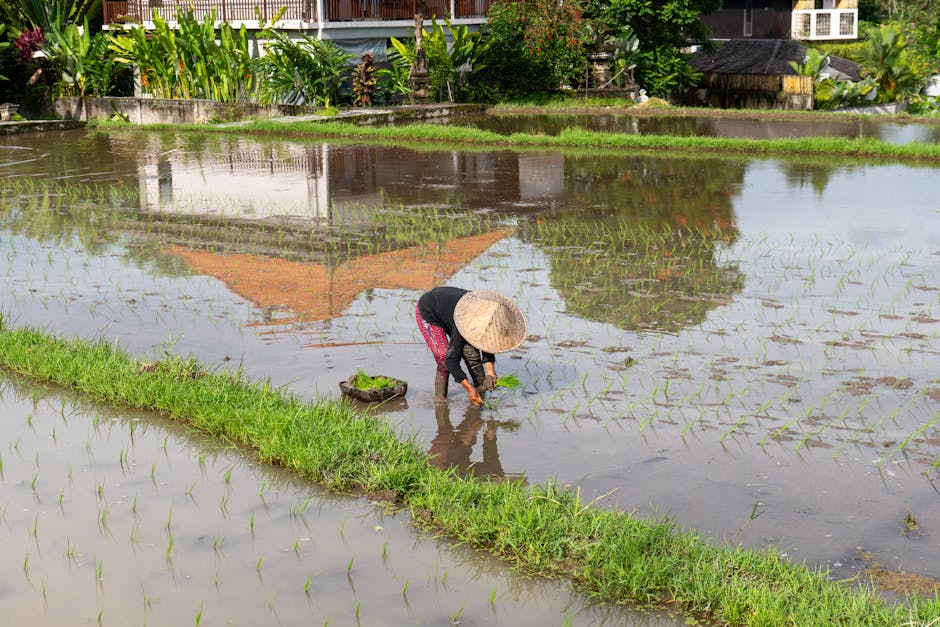
Explore Tegallalang Rice Terraces: Just a short drive from Ubud, these iconic rice terraces offer breathtaking views and a glimpse into the traditional Balinese irrigation system known as “subak.” It’s a perfect spot for photography and a leisurely walk.
Discover Uluwatu Temple: Perched on a cliff overlooking the Indian Ocean, Uluwatu Temple is one of Bali’s most famous sea temples. Plan your visit to catch a traditional Kecak dance performance at sunset for an unforgettable experience.
Relax on Nusa Dua Beach: This area is known for its pristine white sand beaches and calm waters, making it perfect for families and those looking to unwind. Enjoy water sports or simply lounge on the beach with a good book.
Experience a Balinese Cooking Class: Dive into the local culture by learning to cook traditional Balinese dishes. Many classes include a visit to the market to select fresh ingredients, followed by hands-on cooking in a local kitchen.
Hike Mount Batur: For the adventurous, a sunrise trek up Mount Batur offers stunning views and a sense of accomplishment. The trek begins in the early hours, allowing you to witness the sunrise over the volcanic landscape.
Visit the Water Temples: Bali is dotted with stunning water temples, such as Tirta Empul and Taman Ayun. These sites are not only beautiful but also hold significant cultural and spiritual importance for the Balinese people.
Explore Seminyak’s Beach Clubs: Spend a day at one of Seminyak’s trendy beach clubs, where you can relax by the pool, enjoy cocktails, and soak up the sun while listening to live music.
Discover Hidden Beaches: Escape the crowds by visiting some of Bali’s hidden beaches, such as Nyang Nyang Beach or Green Bowl Beach. These secluded spots often require a bit of a trek but reward you with pristine shores and a tranquil atmosphere.
Experience Balinese Spa Treatments: After a day of exploration, indulge in a traditional Balinese massage or spa treatment. Many resorts and local spas offer a variety of treatments that incorporate local ingredients and techniques.
Food and Dining Guide#

Bali’s culinary scene is a delightful mix of traditional Balinese flavors and international influences. Here are some must-try dishes and dining options:
Must-Try Dishes#
Nasi Goreng: This iconic Indonesian fried rice dish is often served with a fried egg on top and can be customized with chicken, shrimp, or vegetables. It’s a staple that you can find in both restaurants and street food stalls.
Babi Guling: A Balinese specialty, this roasted suckling pig is marinated with a blend of spices and served with rice and vegetables. It’s a must-try for meat lovers and usually available at local warungs.
Sate Lilit: A unique twist on traditional satay, Sate Lilit consists of minced meat mixed with grated coconut and spices, wrapped around lemongrass sticks and grilled to perfection.
Gado-Gado: This refreshing salad features a mix of steamed vegetables, tofu, and hard-boiled eggs, all drizzled with a rich peanut sauce. It’s a great vegetarian option and can be found in many local eateries.
Bubur Injin: For dessert, try this traditional black rice pudding made with coconut milk. It’s sweet, creamy, and often served warm.
Dining Recommendations#
Street Food: Don’t miss the chance to sample street food from local vendors, especially in Ubud and Seminyak. Look for stalls selling Nasi Goreng or Babi Guling for an authentic taste of Bali.
Warungs: These small family-owned restaurants are scattered throughout the island and serve delicious, homemade Balinese dishes at affordable prices. They’re perfect for experiencing local flavors in a cozy setting.
Fine Dining: For a more upscale experience, consider dining at restaurants that offer a fusion of Balinese and international cuisine, often with stunning views of the ocean or rice fields.
Getting Around Bali#
Navigating Bali can be straightforward with a bit of planning. Here are some options for getting around:
Scooter Rentals: Renting a scooter is one of the most popular ways to explore the island. It offers flexibility and allows you to access hidden spots. However, ensure you have an international driving permit and wear a helmet.
Taxis and Ride-Hailing Apps: Taxis are widely available, but it’s best to use ride-hailing apps to avoid overcharging. These apps provide a reliable way to get around without the hassle of negotiating fares.
Private Drivers: Hiring a private driver for the day can be a convenient option, especially if you’re planning to visit multiple attractions. Many drivers offer reasonable rates and can provide insights about the places you visit.
Walking: In areas like Ubud and Seminyak, walking can be a delightful way to explore local shops, cafes, and attractions. Just be cautious of traffic and uneven sidewalks.
Budget Breakdown#
Understanding the costs associated with your trip can help you plan effectively. Here’s a rough daily budget estimate for different types of travelers:
Budget Travelers ($30-50/day)#
- Accommodation: Budget hotels or hostels
- Food: Local warungs and street food
- Transport: Scooter rental or public transport
- Activities: Free or low-cost attractions (hiking, beach days)
Mid-Range Travelers ($50-150/day)#
- Accommodation: Boutique hotels or guesthouses
- Food: A mix of local eateries and casual dining
- Transport: Taxi rides or private drivers for day trips
- Activities: Entrance fees for attractions and guided tours
Luxury Travelers ($150+/day)#
- Accommodation: High-end resorts or private villas
- Food: Fine dining and gourmet experiences
- Transport: Private drivers or luxury car rentals
- Activities: Spa treatments, exclusive tours, and unique experiences
Travel Tips for Bali#
Safety First: Bali is generally safe for tourists, but it’s wise to take precautions like avoiding isolated areas at night and keeping an eye on your belongings.
Tipping Etiquette: Tipping is appreciated but not mandatory. A small tip (around 10%) is customary in restaurants and for drivers.
Learn Basic Bahasa Indonesia: While many locals speak English, knowing a few phrases in Bahasa Indonesia can enhance your interactions and show respect for the culture.
Get a Local SIM Card: To stay connected, consider purchasing a local SIM card upon arrival. This can be done at the airport or local shops, and it usually offers affordable data plans.
Be Aware of Scams: While most locals are honest, be cautious of scams, particularly in tourist-heavy areas. Always negotiate prices for tours and transport to avoid overpaying.
Respect Local Customs: When visiting temples, dress modestly by covering your shoulders and knees. Many temples provide sarongs for visitors, but it’s best to come prepared.
Stay Hydrated: The tropical climate can be quite humid. Drink plenty of water, especially if you’re engaging in outdoor activities, and always opt for bottled water to avoid stomach issues.
With its stunning landscapes, rich culture, and warm-hearted locals, Bali offers an unforgettable experience. By exploring like a local, you’ll discover hidden gems and create lasting memories. For those looking to expand their travels in Southeast Asia, consider adding destinations like Ho Chi Minh City, Vietnam or Luang Prabang, Laos to your itinerary. Happy travels!