📌 Disclaimer
Prices, schedules, tour details, flight routes, visa requirements, and all other information on this page are based on data at the time of writing. Fares, availability, and policies may change. Please verify current details on the official website before booking.
Photo by Wolfgang Weiser on Pexels
Why Visit Berlin?#
Berlin is a city that pulsates with history, culture, and creativity, making it an essential destination for travelers. As the capital of Germany, it boasts a rich tapestry of historical landmarks, innovative art scenes, and vibrant neighborhoods that reflect its dynamic past and present. From the remnants of the Berlin Wall to the grandeur of the Brandenburg Gate, every corner of the city tells a story, inviting visitors to explore its multifaceted identity.
What truly sets Berlin apart is its unique blend of old and new. The city is a haven for art enthusiasts, with an array of galleries, museums, and street art that showcase both classical and contemporary works. Beyond its artistic offerings, Berlin is also known for its thriving culinary scene, featuring everything from traditional German fare to international cuisine. The city’s spirit of tolerance and diversity creates an atmosphere where everyone can feel at home, making it an ideal destination for American travelers seeking both adventure and insight.
Best Time to Visit Berlin#
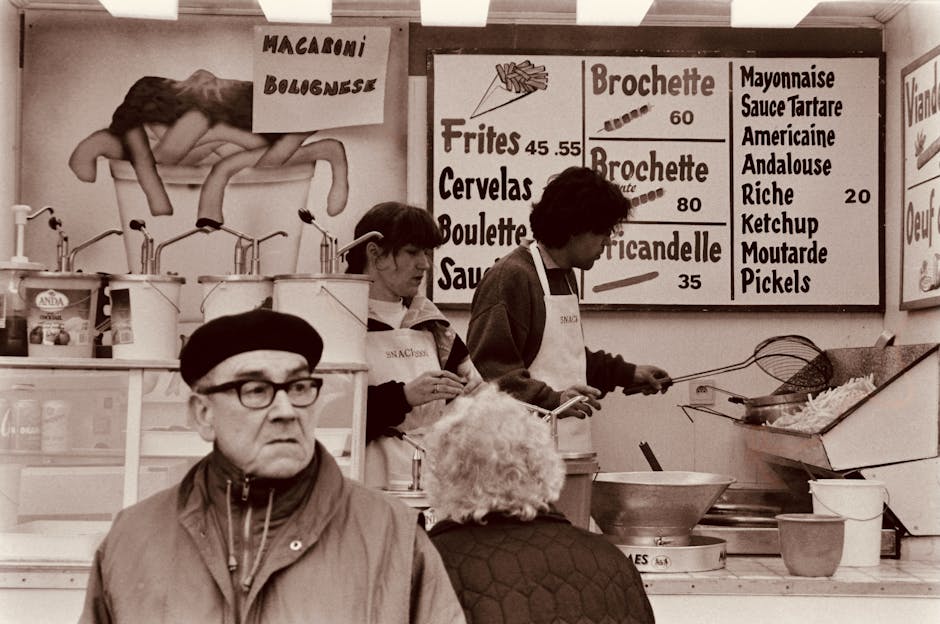
When planning your trip to Berlin, consider the seasonal changes that can significantly affect your experience. Spring (March to May) is one of the best times to visit, with mild weather and blooming parks. Expect temperatures to range from the mid-40s to low 60s°F. This season tends to attract fewer tourists, allowing for a more relaxed exploration of the city.
Summer (June to August) is peak tourist season, with temperatures averaging between the mid-60s and mid-70s°F. The city comes alive with outdoor festivals, events, and bustling markets. However, be prepared for larger crowds and higher prices for accommodations. Fall (September to November) is another fantastic time to visit, as the weather is still pleasant, and the autumn foliage adds a beautiful backdrop to your adventures. Winter (December to February) can be quite chilly, with temperatures often dipping into the 30s°F, but the city’s Christmas markets and festive atmosphere make it a charming time to experience Berlin.
Where to Stay in Berlin#
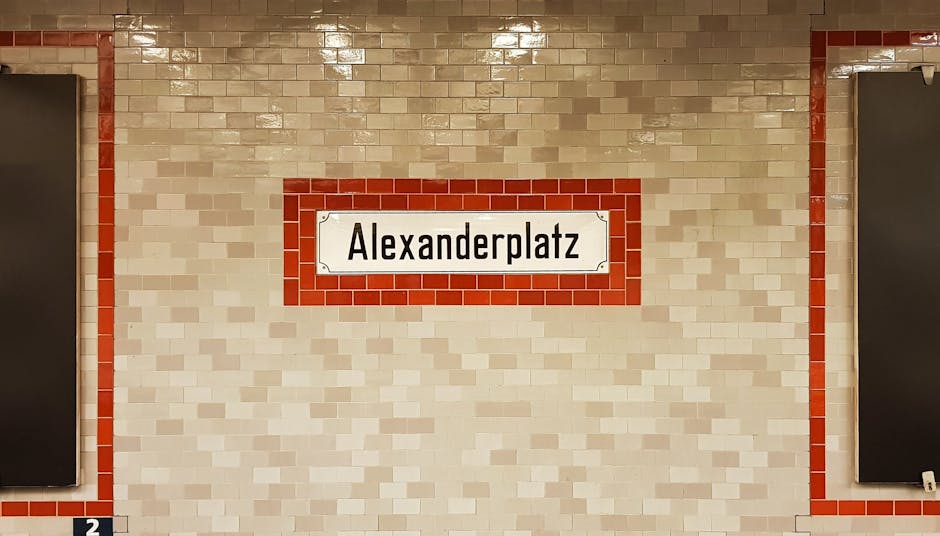
Choosing the right neighborhood can enhance your Berlin experience, as each area has its distinct character. Here are some recommendations across various budget tiers:
Budget: Kreuzberg
Known for its hipster vibe, Kreuzberg is a fantastic area for budget travelers. You’ll find affordable hostels, guesthouses, and a lively atmosphere with plenty of cafes and street food options. The neighborhood’s cultural diversity makes it an exciting place to explore.
Mid-Range: Mitte
Mitte is the heart of Berlin, home to many of the city’s major attractions, including the Brandenburg Gate and Museum Island. Mid-range accommodations here offer comfort and convenience, with easy access to public transport. This area is also vibrant with shops, restaurants, and nightlife.
Luxury: Charlottenburg
For a more upscale experience, consider staying in Charlottenburg. This elegant neighborhood features luxury hotels and is close to the beautiful Charlottenburg Palace. The area is quieter and offers a more refined atmosphere, perfect for travelers seeking a touch of sophistication.
Alternative: Friedrichshain
Friedrichshain is a trendy neighborhood that combines a youthful energy with historic charm. It’s filled with boutique hotels and apartments, making it a great option for those looking for a lively scene that’s slightly off the beaten path.
Top Things to Do in Berlin#
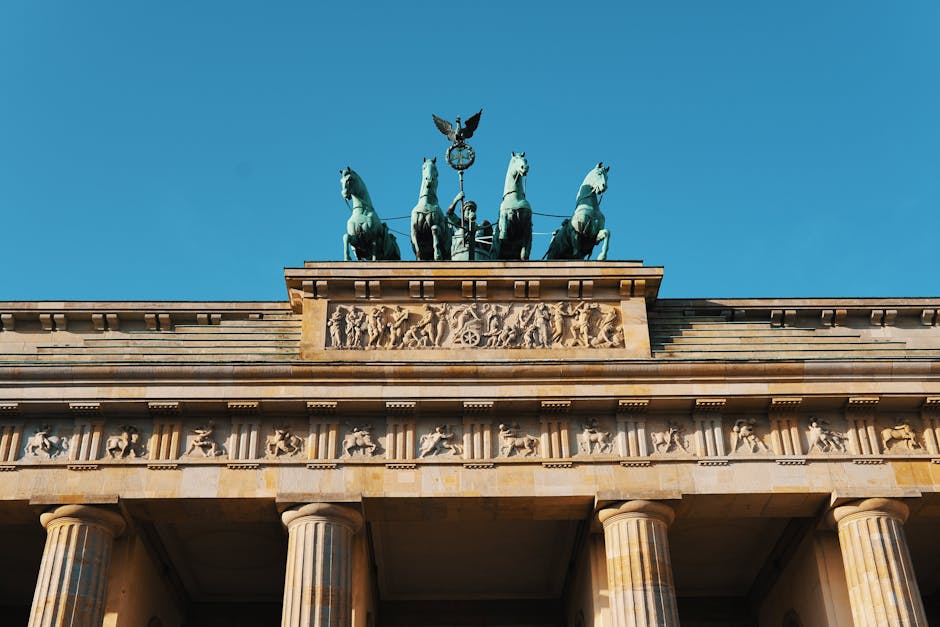
Berlin is packed with activities and attractions that cater to all interests. Here are some must-see spots and hidden gems:
Brandenburg Gate
This iconic neoclassical monument is a symbol of Berlin and German reunification. A visit here is a must for any traveler, especially at sunset when the gate is beautifully illuminated.Berlin Wall Memorial
Explore the history of the Berlin Wall at this memorial site, which includes a preserved section of the wall and an informative visitor center. It’s a poignant reminder of the city’s divided past.Museum Island
A UNESCO World Heritage site, Museum Island is home to five world-class museums. Art lovers will appreciate the incredible collections, including ancient artifacts and European masterpieces.East Side Gallery
This open-air gallery features murals painted on a remaining section of the Berlin Wall. It’s a vibrant and colorful representation of freedom and artistic expression, perfect for a leisurely stroll.Tempelhofer Feld
Once an airport, this vast park is now a popular recreational area. Locals flock here to cycle, skate, or picnic, providing a unique perspective on Berlin’s transformation.Kreuzberg Street Art Tour
Dive into Berlin’s underground art scene with a guided street art tour in Kreuzberg. You’ll discover hidden murals and learn about the artists behind them, showcasing the city’s creative spirit.Potsdamer Platz
A bustling square that epitomizes modern Berlin, Potsdamer Platz is filled with shops, restaurants, and theaters. The architecture here contrasts sharply with the city’s historic buildings, making it a fascinating stop.Sachsenhausen Concentration Camp Memorial
Located just outside the city, this memorial offers a sobering but essential insight into Germany’s history. It’s an important site for reflection and education about the Holocaust.Charlottenburg Palace
This stunning baroque palace is surrounded by beautiful gardens and provides a glimpse into the royal history of Berlin. The palace is a serene escape from the city’s hustle and bustle.Markthalle Neun
For a taste of local culture, visit this historic market hall in Kreuzberg. Here, you can sample a variety of foods from local vendors, making it a great spot for lunch or a casual dinner.
Food and Dining Guide#
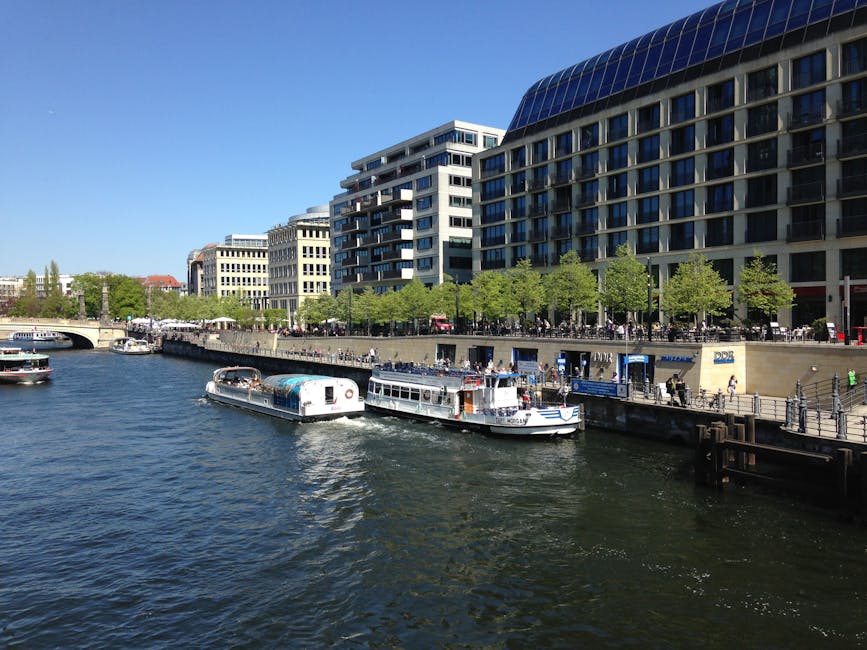
Berlin’s culinary scene is as diverse as its population, offering a mix of traditional German dishes and international flavors. Here are some local cuisine highlights and must-try dishes:
Currywurst: A Berlin classic, this street food staple consists of a steamed and fried sausage topped with curry ketchup. It’s often served with fries and is a must-try for any visitor.
Schnitzel: This breaded and fried meat dish is popular throughout Germany. You can find various versions in many restaurants, often accompanied by potato salad or sauerkraut.
Döner Kebab: A testament to Berlin’s multiculturalism, this Turkish dish has become a local favorite. It’s made with meat cooked on a vertical rotisserie, served in pita bread with fresh vegetables and sauces.
Berliner Pfannkuchen: These jelly-filled doughnuts are a sweet treat you shouldn’t miss. Often enjoyed during celebrations, they are a delightful dessert option.
Street Food Markets: Berlin is known for its vibrant street food scene. Check out local markets, like Markthalle Neun or Street Food Thursday, for a variety of delicious options from different cultures.
Dining in Berlin can range from casual street food to upscale restaurants. While street food offers an affordable way to sample local flavors, the city also boasts a number of fine dining establishments that showcase innovative cuisine from around the world.
Getting Around Berlin#
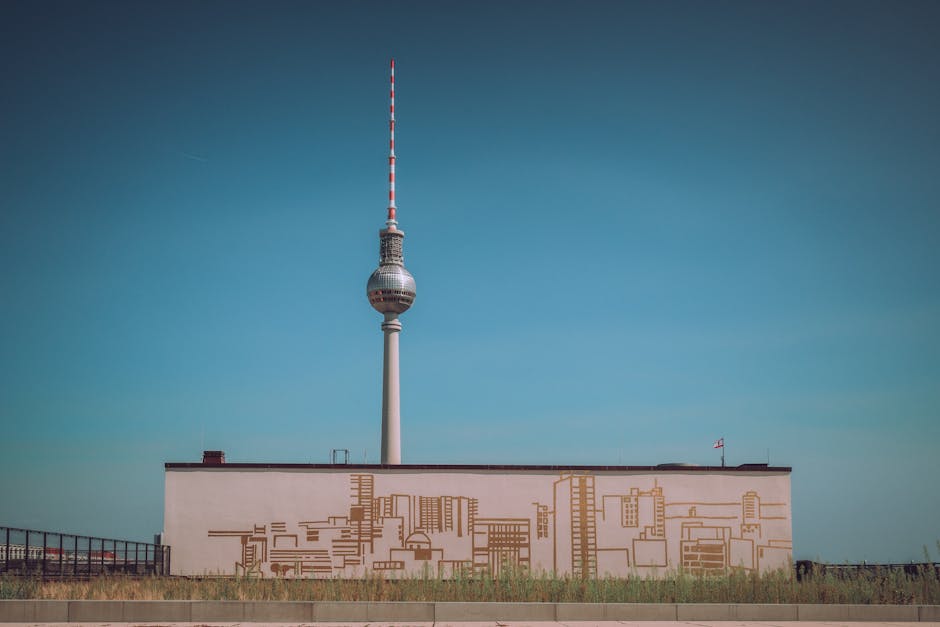
Navigating Berlin is relatively easy, thanks to its efficient public transport system. The U-Bahn (subway), S-Bahn (commuter train), trams, and buses cover the city extensively, making it a convenient option for travelers. A day pass offers unlimited travel within designated zones, which is a great value for tourists.
If you prefer to explore on foot, many of Berlin’s attractions are within walking distance of one another, especially in central neighborhoods like Mitte and Kreuzberg. Biking is also popular, with numerous bike rental shops available throughout the city.
Taxis and rideshare services are readily available, but they can be more expensive than public transport. Renting a car is generally not recommended due to limited parking and the city’s excellent public transport options.
Budget Breakdown#
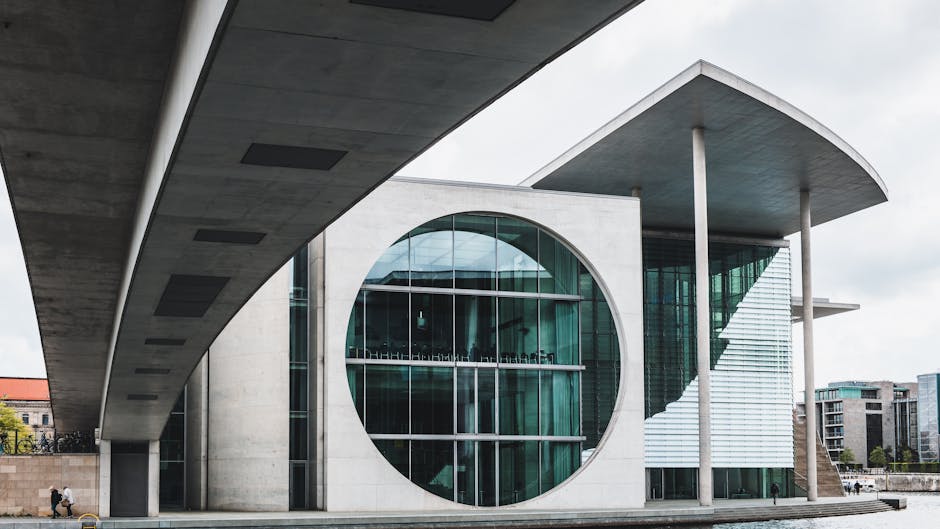
Understanding the cost of your trip is crucial for planning. Here’s a daily budget estimate for travelers in different tiers:
Budget Travelers: Expect to spend around $70-$100 per day. This includes budget accommodations (around $30-50/night), street food or casual dining (about $15-25), and public transport costs (around $10).
Mid-Range Travelers: A daily budget of $150-$250 is reasonable. This would cover mid-range accommodations ($80-150/night), dining at restaurants (approximately $30-60), and various activities or entrance fees (around $20-50).
Luxury Travelers: If you’re looking for a more upscale experience, budget around $300+ per day. This includes luxury accommodations ($150+), fine dining (around $60-120), and exclusive activities or tours (approximately $50-100).
Travel Tips for Berlin#
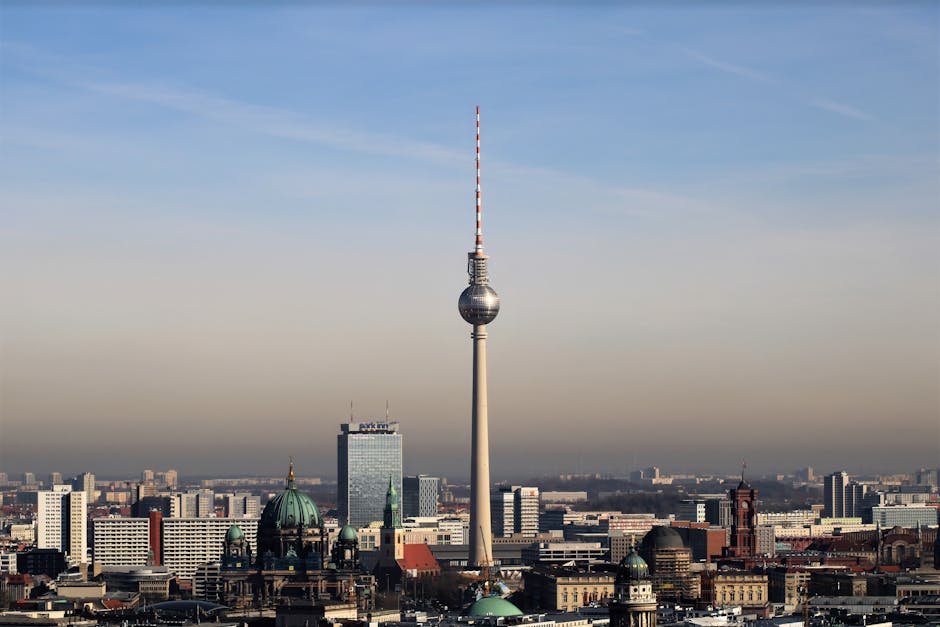
Safety: Berlin is generally safe for tourists, but like any major city, be aware of your surroundings and keep an eye on your belongings, especially in crowded areas.
Tipping: It’s customary to round up your bill or leave around 5-10% for good service in restaurants. Tipping taxi drivers is also appreciated.
Language: While many Berliners speak English, learning a few basic German phrases can enhance your experience and endear you to locals.
SIM Cards: If you need internet access on the go, consider purchasing a prepaid SIM card at the airport or local shops. This can be a cost-effective way to stay connected.
Scams to Avoid: Be cautious of overly friendly strangers who may ask for money or try to distract you while an accomplice takes your belongings. Stick to well-populated areas and trust your instincts.
Cultural Etiquette: Germans value punctuality, so be on time for any appointments or reservations. Also, respect personal space and avoid loud conversations in public transport.
Events and Festivals: Check local calendars for events and festivals during your visit. Berlin hosts numerous cultural events throughout the year, offering a unique glimpse into the city’s vibrant culture.
If you’re also considering a trip to Nice, France , check out our guide. The Mediterranean charm there contrasts beautifully with Berlin’s urban energy. Similarly, if you’re intrigued by historical sites, don’t miss our guide to Tallinn, Estonia for more captivating explorations.
With its rich history, cultural offerings, and welcoming atmosphere, Berlin is a city that promises unforgettable experiences. Prepare for an adventure filled with discovery, delicious food, and the warmth of its people.