📌 Disclaimer
Prices, schedules, tour details, flight routes, visa requirements, and all other information on this page are based on data at the time of writing. Fares, availability, and policies may change. Please verify current details on the official website before booking.
Why Visit Cusco ?#
The aroma of freshly brewed coca tea fills the air as you stroll through the cobbled streets of Cusco , the ancient capital of the Inca Empire. This city is a mosaic of history, where colonial architecture stands shoulder to shoulder with Incan ruins, inviting travelers to explore its fascinating past. Cusco is not just a gateway to Machu Picchu; it is a destination in its own right, offering a unique blend of indigenous culture and Spanish colonial influence. The lively markets, adorned with colorful textiles and local handicrafts, showcase the craftsmanship of the Quechua people, while the majestic hills surrounding the city provide breathtaking views that leave a lasting impression.
As you wander through Cusco , you will discover a place where every corner tells a story. From the intricately carved stone walls of Sacsayhuamán to the serene beauty of Qorikancha, the former Temple of the Sun, the city offers a glimpse into a world where history and culture intertwine. The warmth of the local people adds to the charm, making visitors feel welcome in this high-altitude city. Whether you are interested in exploring ancient ruins, enjoying lively festivals, or indulging in delicious local cuisine, Cusco has something for everyone.
Best Time to Visit Cusco#
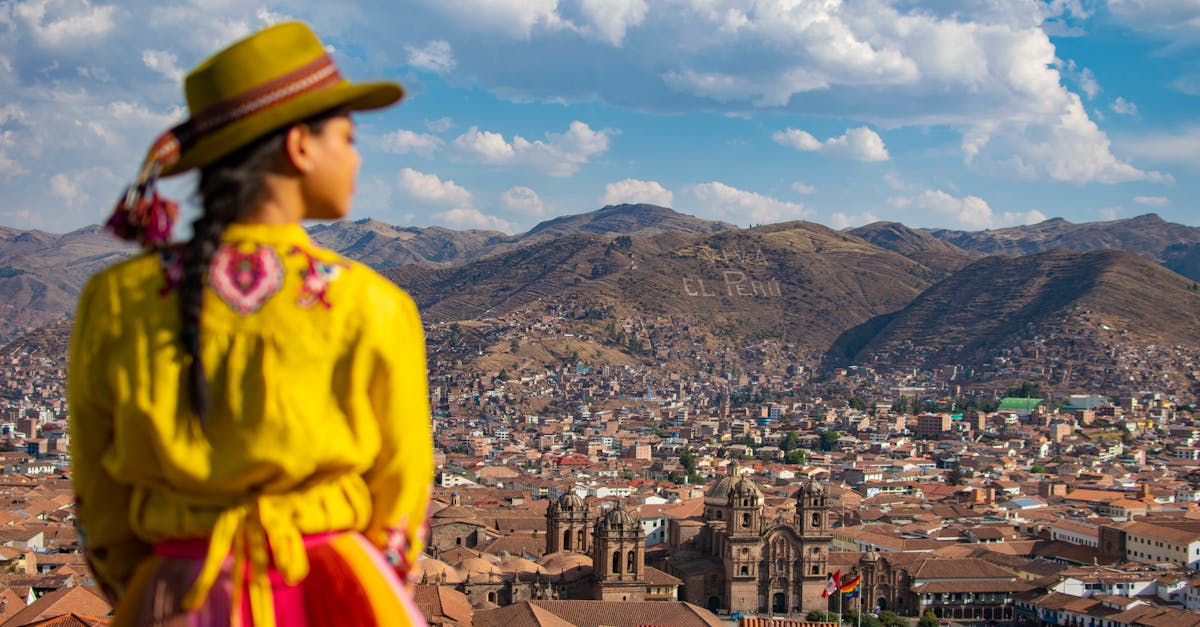
The ideal time to visit Cusco largely depends on your preferences for weather and crowds. The dry season, which lasts from May to September, is generally regarded as the best time to explore the city and its surroundings. During these months, the weather is pleasant, with daytime temperatures averaging between 60°F and 70°F, making it perfect for outdoor activities. However, be prepared for chilly nights as temperatures can drop significantly. This is also peak tourist season, so expect larger crowds at popular attractions and higher prices for accommodations.
If you prefer fewer visitors and are willing to brave some rain, consider visiting during the shoulder months of April and October. These months offer a balance of decent weather and lower prices, though you might encounter occasional showers. The wet season, from November to March, sees heavy rainfall, particularly in January and February. While this may deter some travelers, it’s important to note that the landscape becomes lush and green, providing a different kind of beauty. If you do choose to visit during this time, be prepared for muddy trails and occasional travel disruptions.
Where to Stay in Cusco#
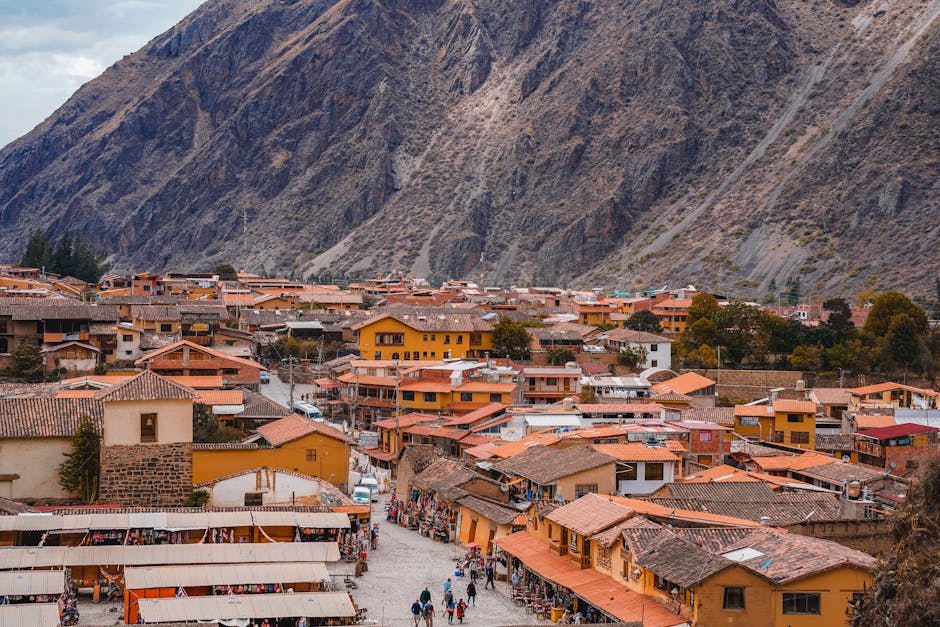
When it comes to accommodations in Cusco, a variety of neighborhoods cater to different budgets and preferences. The historic center is the most popular area for tourists, with its charming plazas and proximity to major attractions. Here, you can find budget hotels starting around $30-50 per night, offering basic amenities and a chance to experience local culture right outside your door.
For those seeking mid-range options, the San Blas district is a great choice. Known for its artistic vibe, this neighborhood features boutique hotels and cozy guesthouses, usually ranging from $60-120 per night. The winding streets are lined with artisan shops and cafes, creating a lively atmosphere perfect for leisurely exploration.
If luxury is what you desire, the area around Avenida del Sol offers upscale hotels that provide stunning views and top-notch amenities. Prices in this tier typically start at $150 and can go significantly higher, ensuring a comfortable stay with easy access to both the city and nearby attractions. No matter where you choose to stay, Cusco’s charm will always be within reach.
Top Things to Do in Cusco#
Exploring Sacsayhuamán is a must for anyone visiting Cusco. This impressive archaeological site, located just above the city, showcases the incredible engineering skills of the Incas. The massive stone walls, some weighing over 100 tons, are a testament to their architectural prowess. Hiking around the site offers panoramic views of Cusco, making it a perfect spot for photography enthusiasts.
Another essential stop is Qorikancha, the Temple of the Sun, where you can marvel at the remnants of what was once the most important temple in the Inca Empire. The Spanish conquistadors built the Santo Domingo Church on top of the ruins, creating a striking contrast between the two architectural styles. The intricate stonework and rich history make this a fascinating place to explore.
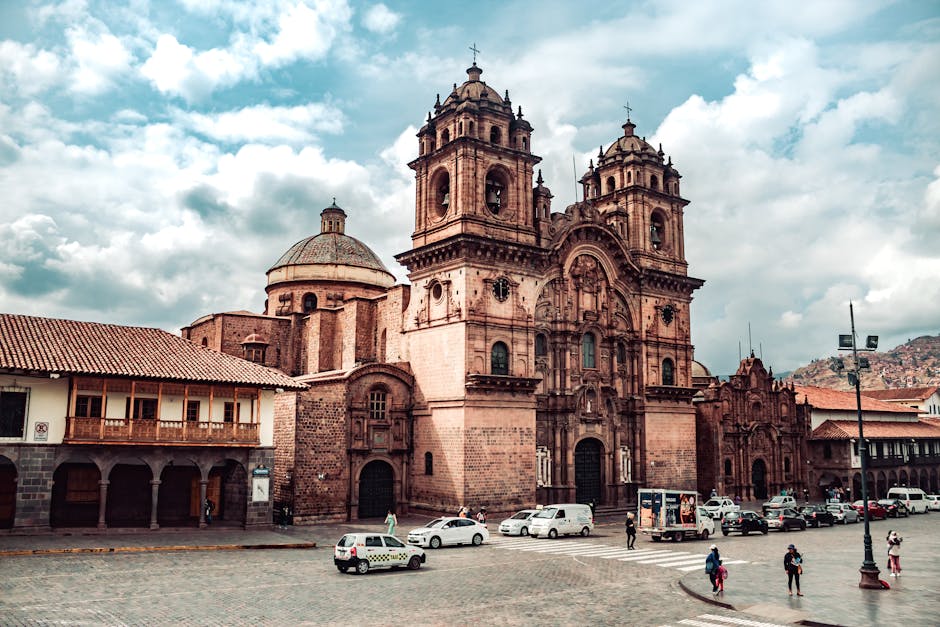
The Plaza de Armas serves as the heart of the city, surrounded by colonial buildings and lively cafes. It’s an ideal spot to relax, people-watch, and soak up the atmosphere. The nearby Cathedral of Cusco, a UNESCO World Heritage Site, features stunning altarpieces and religious art, reflecting the blend of indigenous and Spanish influences.
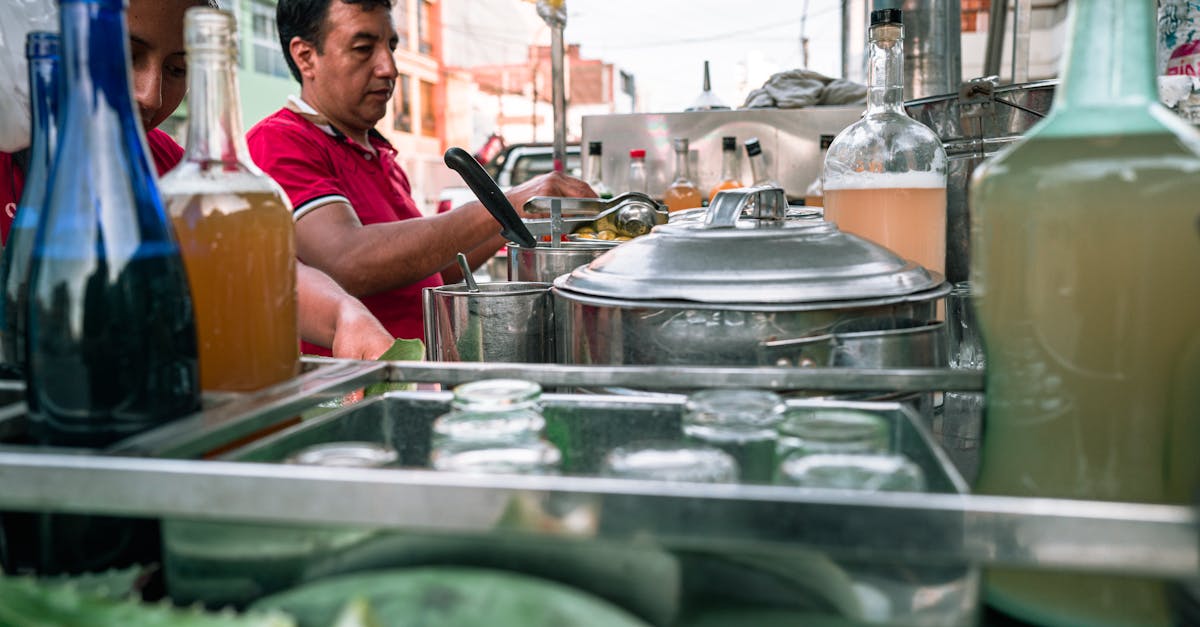
For those looking to experience local life, the San Pedro Market is a must-visit. The busy market offers a wide variety of fresh produce, textiles, and street food. Engage with local vendors, sample fresh juices, and browse colorful handicrafts while enjoying the lively ambiance.
If you’re interested in art, the Museo de Arte Precolombino presents a fascinating collection of pre-Columbian artifacts, showcasing the rich artistic traditions of Peru ’s ancient civilizations. The museum’s peaceful atmosphere allows for a deep appreciation of the intricate pieces on display.
For a taste of Cusco’s nightlife, head to the Barrio de San Blas, where you can find cozy bars and live music venues. This district often hosts cultural events, providing an opportunity to enjoy traditional music and dance. The lively atmosphere makes it a great spot to meet fellow travelers and locals alike.
Adventure seekers can take a day trip to Rainbow Mountain or Humantay Lake, both offering stunning natural beauty and challenging hikes. These excursions typically start early in the morning, allowing you to experience the breathtaking landscapes before the crowds arrive. The colorful hills and serene lakes are well worth the effort.
Finally, don’t miss the chance to experience a traditional Pachamanca meal, where food is cooked underground using hot stones. This ancient cooking method not only provides a unique dining experience but also connects you to the land and traditions of the local people.
Food and Dining Guide#
Cusco offers a delightful array of local cuisine that reflects its rich cultural background. One of the must-try dishes is Ceviche, a refreshing seafood dish made from raw fish marinated in citrus juices and spiced with chili peppers. While typically associated with coastal regions, many restaurants in Cusco serve delicious variations, often accompanied by sweet potatoes and corn.
Another local favorite is Lomo Saltado, a stir-fry dish that combines marinated strips of beef, tomatoes, and onions, served with rice and fries. This dish showcases the fusion of Peruvian and Chinese cuisine, a legacy of the Asian immigrants who settled in the region.
For a taste of something unique, sample Aji de Gallina, a creamy chicken dish made with aji amarillo peppers, walnuts, and cheese. The combination of flavors is both comforting and satisfying, making it a popular choice among locals and visitors alike.
Street food is also a highlight of Cusco’s culinary scene. Don’t miss trying Anticuchos, skewered and grilled heart of beef, often served with potatoes and a spicy sauce. These tasty bites are a staple at street stalls and are perfect for a quick and filling snack while you explore the city.
For a more upscale dining experience, seek out restaurants that offer traditional dishes with a modern twist. Many establishments focus on using local ingredients and innovative cooking techniques, providing a unique perspective on Peruvian cuisine. Pair your meal with a glass of Pisco Sour, the national cocktail made with pisco, lime juice, and egg white, for a refreshing finish.