📌 Disclaimer
Prices, schedules, tour details, flight routes, visa requirements, and all other information on this page are based on data at the time of writing. Fares, availability, and policies may change. Please verify current details on the official website before booking.
Photo by Klandy Vinarao on Pexels
Why Visit Dubai ?#
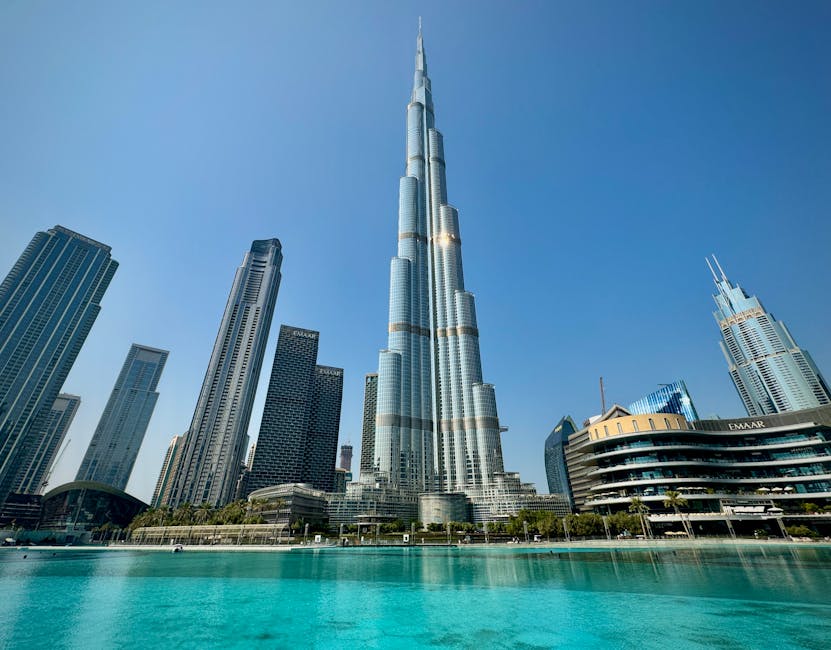
Dubai is a dazzling gem in the Middle East, offering a unique blend of modernity and tradition. As a city that embraces innovation and luxury, it boasts an iconic skyline marked by architectural marvels like the Burj Khalifa, the tallest building in the world. However, Dubai is more than just its glimmering towers; it’s a city steeped in rich history and culture, with vibrant markets, traditional souks, and the warm hospitality of its people. Whether you’re shopping in lavish malls, exploring the historic Al Fahidi District, or enjoying a sunset desert safari, Dubai caters to every traveler’s desire.
One of the most appealing aspects of Dubai is its year-round sunshine and diverse attractions. From pristine beaches along the Arabian Gulf to thrilling amusement parks and cultural experiences, there’s something for everyone. Plus, the city’s strategic location makes it an ideal stopover for travelers heading to other destinations in Asia, Europe, or Africa. With its unique blend of adventure, relaxation, and cultural experiences, Dubai truly offers something special for every American traveler.
Best Time to Visit Dubai#
Dubai experiences a desert climate, characterized by two main seasons: a scorching summer and a mild winter. The best time to visit is during the winter months, from November to March, when temperatures are pleasantly warm, averaging between 70°F to 85°F. This period sees the highest number of tourists, so expect lively crowds and bustling attractions. Prices for accommodations and activities can be higher during peak season, particularly around holidays like Christmas and New Year’s.
If you don’t mind the heat, consider visiting during the shoulder months of October and April. These months offer milder weather and slightly lower prices, making it easier to explore the city without the overwhelming crowds. The summer months from June to September can be extremely hot, with temperatures often exceeding 100°F. While this is the low season for tourism, many indoor attractions remain open, and you may find significant discounts on hotels and activities.
Where to Stay in Dubai#
Downtown Dubai (Luxury)#
Downtown Dubai is the heart of the city, home to the iconic Burj Khalifa and the sprawling Dubai Mall. This area offers luxury accommodations and a vibrant nightlife scene. It’s perfect for those who want to be in the thick of the action, with easy access to fine dining and cultural attractions.
Jumeirah Beach (Mid-Range)#
For travelers looking for a balance between comfort and cost, Jumeirah Beach is an excellent choice. This neighborhood features beautiful beaches, family-friendly resorts, and a variety of dining options. The area is great for sun-seekers and those looking to relax by the sea while still being close enough to major attractions.
Al Fahidi Historical District (Budget)#
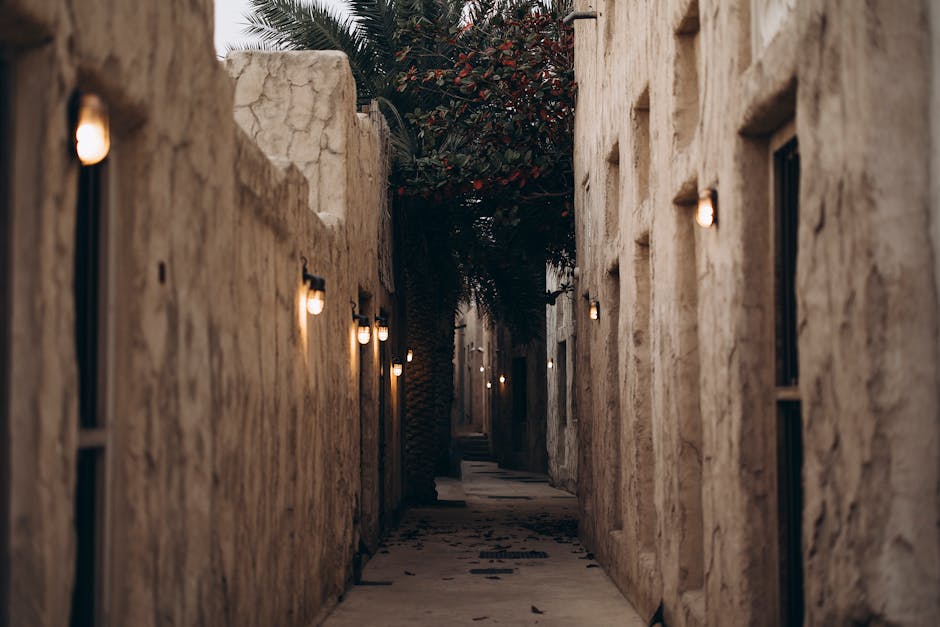
If you’re seeking a more authentic experience, consider staying in Al Fahidi Historical District. This area is known for its charming wind-tower architecture and cultural heritage. Budget accommodations are available, and it offers a glimpse into Dubai’s past, with art galleries, museums, and traditional souks just a short walk away.
Dubai Marina (All Budgets)#
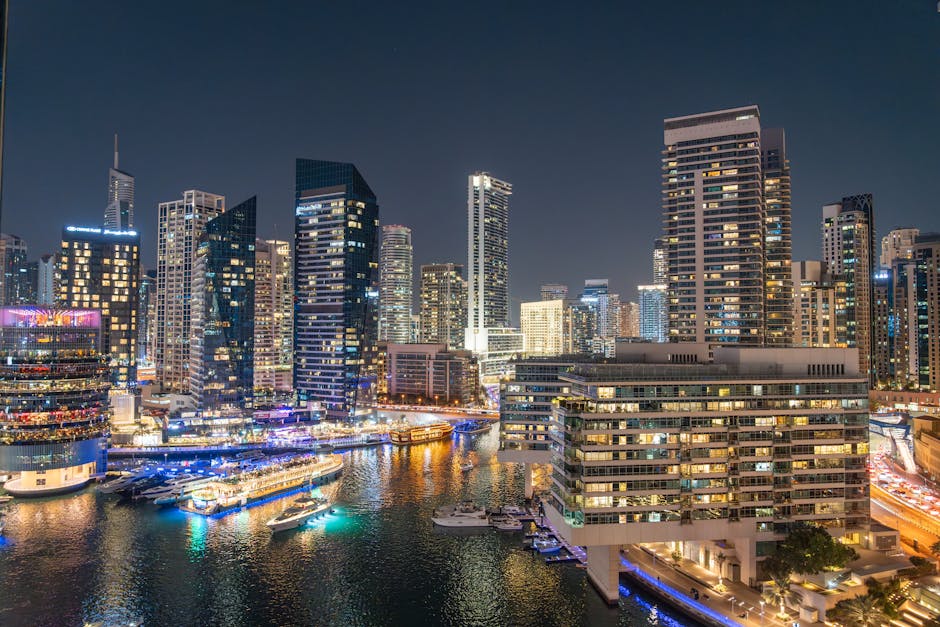
Dubai Marina is a stunning waterfront district that offers a mix of luxury and mid-range accommodations. This area is known for its vibrant atmosphere, with a wide range of restaurants, cafes, and shops along the marina promenade. It’s perfect for those who enjoy a lively environment and beautiful views, making it suitable for travelers of all budgets.
Top Things to Do in Dubai#
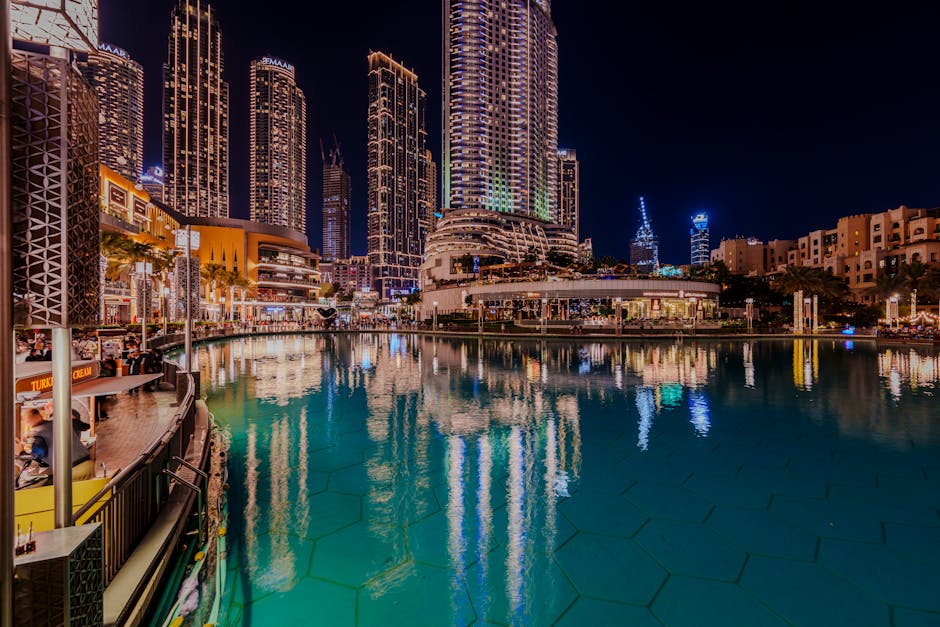
Burj Khalifa: No trip to Dubai is complete without a visit to the Burj Khalifa. Take an elevator ride to the observation deck on the 148th floor for breathtaking views of the city and beyond.
Dubai Mall: Adjacent to the Burj Khalifa, this massive shopping complex is not just for shopping. Enjoy an indoor ice rink, an aquarium, and a range of dining options.
Desert Safari: Experience the thrill of dune bashing in a 4x4 vehicle, followed by a traditional Bedouin-style camp experience complete with camel rides, henna tattoos, and a delicious barbecue dinner.
Al Fahidi Historical District: Step back in time in this charming neighborhood filled with narrow lanes and traditional buildings. Explore museums, art galleries, and the Dubai Museum to learn about the city’s heritage.
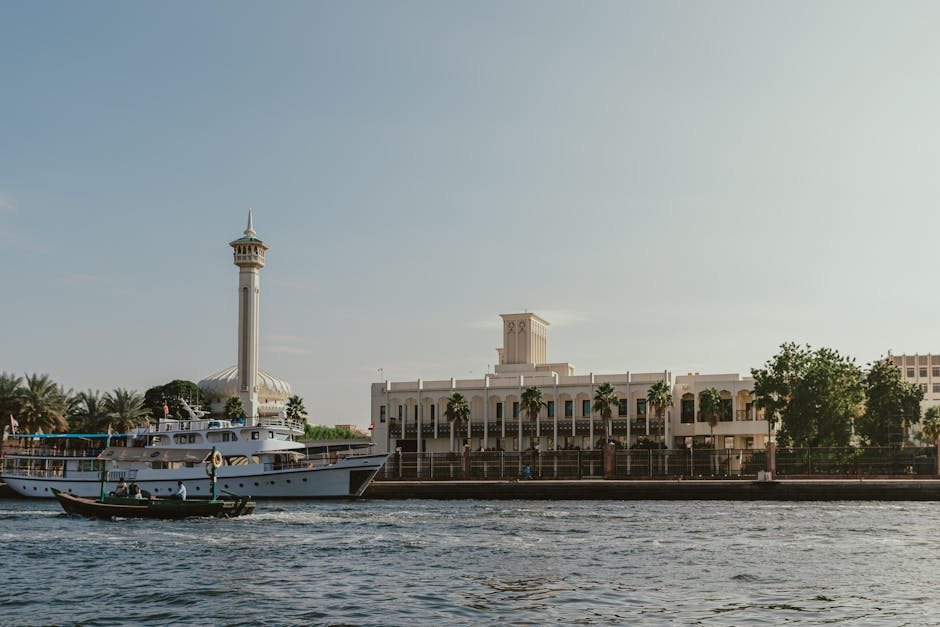
Dubai Creek: Take a traditional abra (boat) ride across Dubai Creek and explore the bustling souks. Visit the Gold Souk and Spice Souk for an authentic shopping experience.
Jumeirah Mosque: One of the few mosques in Dubai open to non-Muslims, the Jumeirah Mosque offers guided tours that provide insights into Islamic culture and architecture.
The Palm Jumeirah: This man-made island is shaped like a palm tree and features luxury hotels, beach clubs, and restaurants. Visit the Atlantis resort for its water park or enjoy a leisurely stroll along the boardwalk.
Global Village: Open during the cooler months, this cultural and entertainment park showcases pavilions from different countries, offering food, crafts, and performances from around the world.
Dubai Frame: This architectural landmark offers stunning views of both old and new Dubai. The glass-floored walkway provides a unique perspective of the city below.
La Mer: A trendy beachfront destination with shops, restaurants, and water sports. Relax on the beach or enjoy the vibrant street art and entertainment options.
Food and Dining Guide#
Dubai’s culinary scene is a melting pot of flavors, reflecting its diverse population. Don’t miss trying traditional Emirati dishes, which often feature spices and ingredients from the region. Here are a few must-try dishes:
- Al Harees: A traditional dish made from wheat and meat, cooked slowly to create a porridge-like consistency, often served during special occasions.
- Shawarma: A popular street food, shawarma consists of marinated meat cooked on a vertical rotisserie, served in pita bread with garlic sauce and vegetables.
- Machboos: A flavorful rice dish cooked with spices and meat or seafood, similar to biryani, and a staple in Emirati cuisine.
- Knafeh: A delightful dessert made of thin noodle-like pastry soaked in sugar syrup and layered with cheese, often garnished with pistachios.
- Dates and Arabic Coffee: A traditional welcome in Emirati culture, enjoy sweet dates paired with strong Arabic coffee, often served in small cups.
For street food, head to the Al Karama district where you can find various stalls and eateries offering budget-friendly options. If you prefer dining in restaurants, the Dubai Marina and Downtown areas feature an array of international cuisines, from fine dining to casual eateries.
Getting Around Dubai#
Dubai offers a variety of transportation options that make getting around easy and convenient. The Dubai Metro is a modern and efficient way to travel, connecting major areas of the city. It’s budget-friendly and avoids the traffic congestion that can occur. Taxis are widely available and relatively affordable, with a meter system ensuring fair pricing.
For a more local experience, consider taking an abra ride across Dubai Creek. Walking is also a great option in certain areas, like Downtown and Dubai Marina, where pedestrian-friendly paths are available. If you prefer the flexibility of your own vehicle, rental cars are available but be prepared for heavy traffic during peak hours.
Budget Breakdown#
Understanding your budget is crucial for a successful trip to Dubai. Here’s a rough daily budget estimate for different types of travelers:
Budget Travelers: Expect to spend around $50-100 per day. This includes budget accommodations ($30-50/night), street food meals ($5-10), public transport ($5-10), and free or low-cost attractions.
Mid-Range Travelers: A budget of $150-300 per day is reasonable. This includes mid-range hotels ($70-150/night), dining at casual restaurants ($15-30/meal), taxis and metro rides ($15-20), and entrance fees for popular attractions.
Luxury Travelers: For those seeking a lavish experience, budget $400+ per day. This includes luxury accommodations ($200+), fine dining ($50-100/meal), private transportation, and high-end activities or excursions.
Travel Tips for Dubai#
Respect Local Customs: Dubai is a cosmopolitan city, but it’s essential to respect local customs and cultural norms, especially during Ramadan.
Tipping: While service charges are often included in bills, it’s customary to leave a small tip (around 10%) for exceptional service in restaurants and taxis.
Language: English is widely spoken, but learning a few Arabic phrases can enhance your experience and interactions with locals.
SIM Cards: Consider purchasing a local SIM card for your phone upon arrival. This will help you stay connected and navigate the city with ease.
Avoid Scams: Be cautious of overly friendly strangers offering unsolicited help or deals that seem too good to be true. Stick to reputable tour operators and services.
Dress Code: While Dubai is relatively liberal, it’s advisable to dress modestly in public areas. Swimwear is acceptable at the beach and pools, but cover up when leaving those areas.
Stay Hydrated: The desert climate can be dehydrating, especially during the summer months. Always carry a water bottle and drink plenty throughout the day.
With its unique blend of luxury, culture, and adventure, Dubai promises an unforgettable experience for every traveler. Whether you’re exploring its famous landmarks or uncovering hidden gems, this city will leave you with memories to cherish for a lifetime.