📌 Disclaimer
Prices, schedules, tour details, flight routes, visa requirements, and all other information on this page are based on data at the time of writing. Fares, availability, and policies may change. Please verify current details on the official website before booking.
Photo by C1 Superstar on Pexels
Why Visit Florence?#
Florence, the cradle of the Renaissance, is a city that feels like a living museum. With its rich history, stunning architecture, and vibrant culture, Florence offers a unique blend of art, history, and modern Italian life. From the iconic Duomo to the intricate sculptures of Michelangelo, every corner of this city tells a story. Walking through Florence is akin to wandering through an art gallery where the streets, buildings, and piazzas are masterpieces in themselves.
Beyond its famous landmarks, Florence is home to charming neighborhoods that showcase the everyday life of its residents. Exploring these areas gives travelers a glimpse into local traditions, markets, and culinary delights that are often overlooked by tourists. Whether you’re sipping a cappuccino in a sun-drenched piazza or strolling along the Arno River, Florence invites you to experience its beauty in a way that feels both timeless and contemporary.
Best Time to Visit Florence#
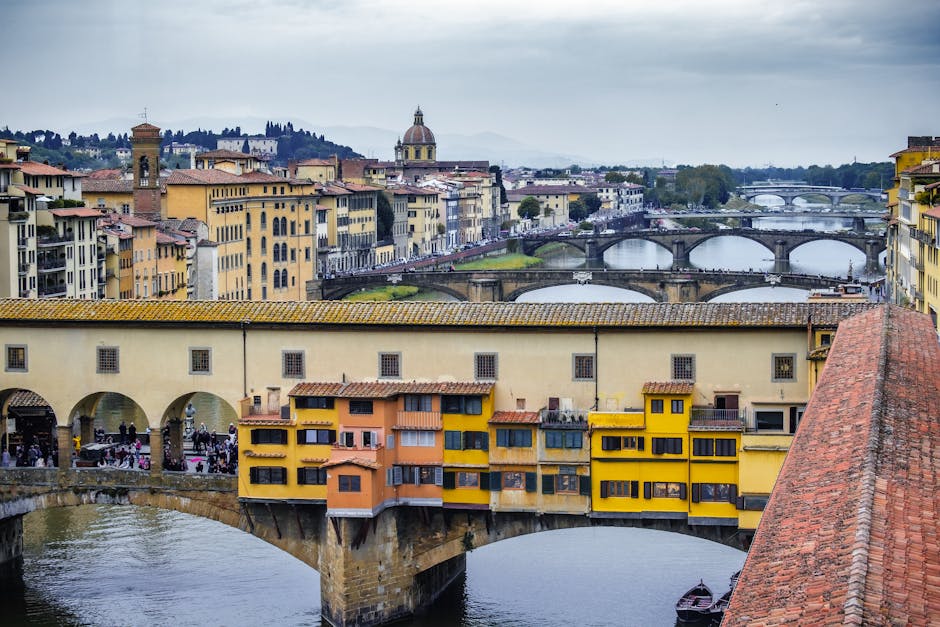
Florence enjoys a temperate climate, making it a year-round destination, but there are certain times that stand out for American travelers.
Spring (March to May): This is one of the best times to visit. The weather is mild, with temperatures ranging from the mid-50s to the mid-70s°F. The city is less crowded compared to summer, and you can witness the blooming of flowers in the Boboli Gardens.
Summer (June to August): Expect warm weather, with highs often reaching the 80s°F. While summer offers vibrant festivals and events, it also attracts large crowds, particularly in July and August. Prices for accommodations tend to soar during this peak season.
Fall (September to November): Early fall is another fantastic time to visit, with comfortable temperatures and a drop in tourist numbers. The city is particularly beautiful in September and October, when the autumn colors start to emerge. Prices begin to decrease as the high season ends.
Winter (December to February): Winters in Florence can be chilly, with temperatures ranging from the low 30s to mid-50s°F. While many attractions remain open, some may have reduced hours. However, this is the best time for budget travelers, as hotel rates plummet and the city is less crowded, allowing for a more intimate experience.
Where to Stay in Florence#
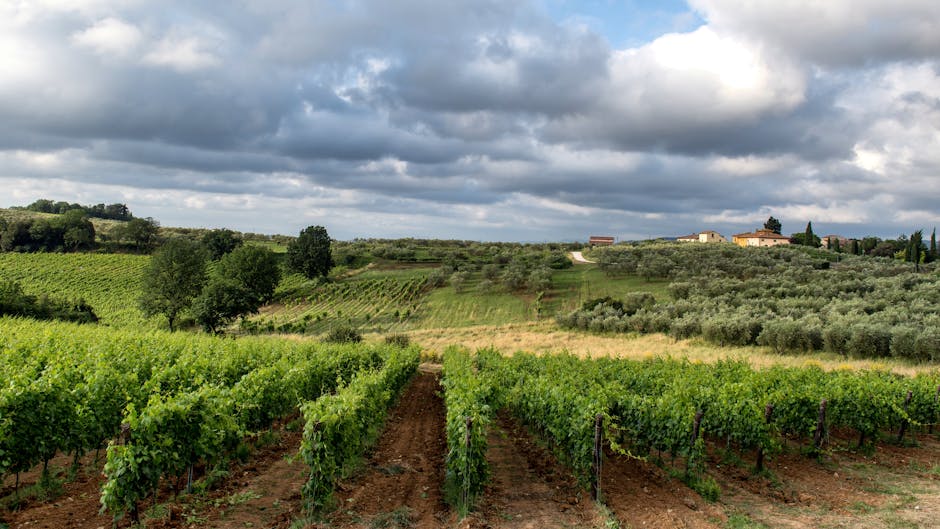
Finding the right neighborhood can elevate your experience in Florence. Here are some recommendations across different budget tiers:
Budget: The San Lorenzo neighborhood is perfect for budget-conscious travelers. It’s close to the central market and offers a variety of hostels and budget hotels. This area is also within walking distance of major attractions, making it easy to explore.
Mid-Range: Oltrarno, located across the Arno River, is a charming neighborhood known for its artisan workshops and local eateries. It offers a variety of guesthouses and boutique hotels that provide a more authentic Florentine experience while still being accessible to central attractions.
Luxury: For a lavish stay, consider the neighborhoods around the Duomo or Piazza della Signoria. These areas boast luxury hotels with breathtaking views and top-notch amenities. Staying here puts you right in the heart of the city’s art and culture scene.
Off the Beaten Path: For those looking to escape the tourist crowds, the area of Settignano, located just outside the city, offers stunning views of Florence and a peaceful atmosphere. Here, you can find charming bed-and-breakfasts and villas that provide a more tranquil retreat.
Top Things to Do in Florence#
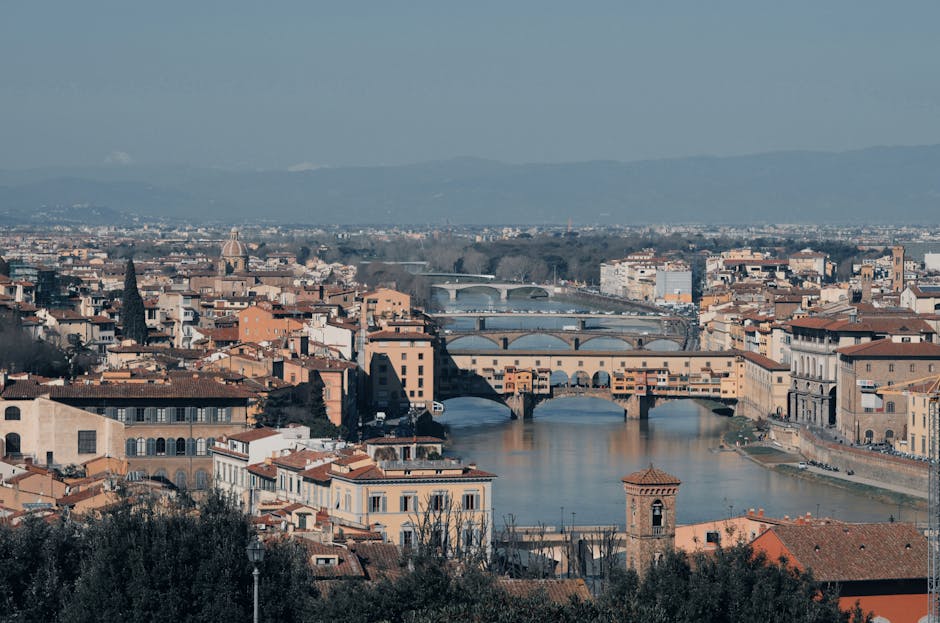
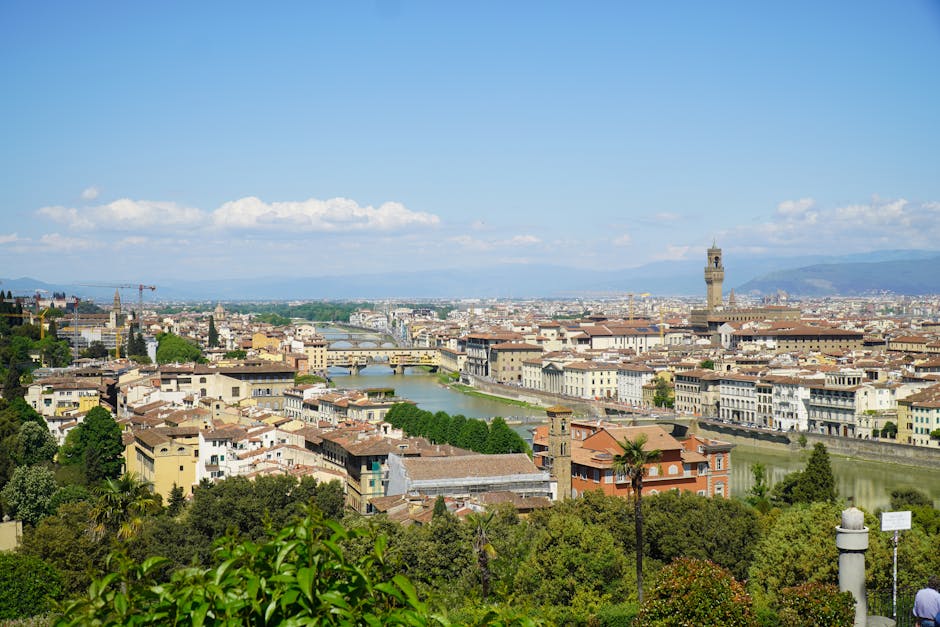
Florence is packed with attractions, but some stand out as must-see experiences while others are hidden gems:
Florence Cathedral (Duomo di Firenze): No visit is complete without admiring this architectural masterpiece. Climb to the top of the dome for breathtaking city views.
Uffizi Gallery: Home to some of the most important works of Renaissance art, this gallery features masterpieces by Botticelli, Michelangelo, and da Vinci.
Ponte Vecchio: This iconic bridge is lined with shops and offers stunning views of the Arno River. It’s a perfect spot for a leisurely stroll or photo opportunity.
Boboli Gardens: Escape the city’s hustle and bustle in these beautifully landscaped gardens. They feature fountains, sculptures, and spectacular views of Florence.
Mercato Centrale: A foodie’s paradise, this market is the perfect place to sample local delicacies and purchase fresh produce. Be sure to try the lampredotto sandwich, a Florentine specialty.
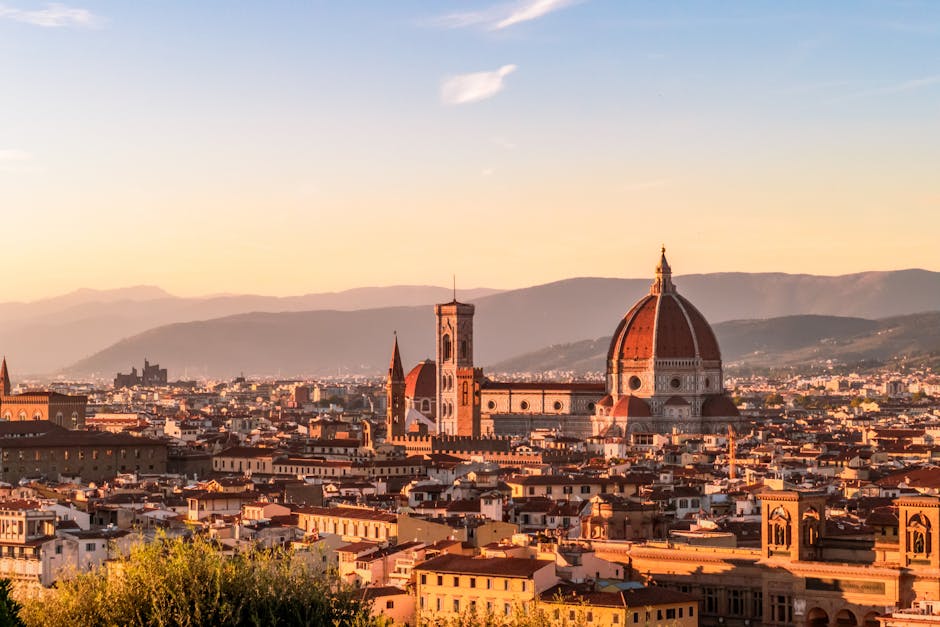
Piazzale Michelangelo: For the best panoramic views of Florence, head to this square. It’s especially beautiful at sunset, making it a romantic spot for couples.
Bargello Museum: Often overlooked, this museum houses an impressive collection of Renaissance sculptures, including works by Donatello and Michelangelo.
Santa Croce: Visit this stunning basilica, which is the final resting place of many notable Italians, including Michelangelo and Galileo.
Via de’ Tornabuoni: Explore Florence’s high-end shopping street, where you can find luxury brands and artisan boutiques. It’s a good place to pick up unique souvenirs.
San Miniato al Monte: This stunning church, perched on a hill, offers a serene atmosphere and breathtaking views of Florence. It’s a great place to experience local life away from the tourist crowds.
Food and Dining Guide#
Florence is a culinary haven, with a rich tradition of food that reflects its history and culture. Here are some local cuisine highlights and must-try dishes:
Bistecca alla Fiorentina: This iconic dish is a must-try for meat lovers. It’s a thick T-bone steak, typically cooked rare and seasoned simply with salt.
Pici Cacio e Pepe: A traditional Tuscan pasta dish made from hand-rolled spaghetti tossed with Pecorino cheese and black pepper. Simple yet incredibly flavorful.
Ribollita: A hearty Tuscan soup made from vegetables, beans, and stale bread. It’s perfect for warming up during the cooler months.
Lampredotto: This street food favorite consists of a sandwich filled with the fourth stomach of a cow, typically served with salsa verde. It’s a delicacy that reflects the local flavors.
Gelato: No trip to Florence is complete without indulging in gelato. Look for artisanal shops offering unique flavors made from fresh, local ingredients.
When dining out, consider trying local trattorias for an authentic experience. These family-run establishments often serve traditional dishes in a cozy atmosphere. For a quick bite, street vendors and food stalls in the Mercato Centrale are perfect for sampling local flavors without breaking the bank.
Getting Around Florence#
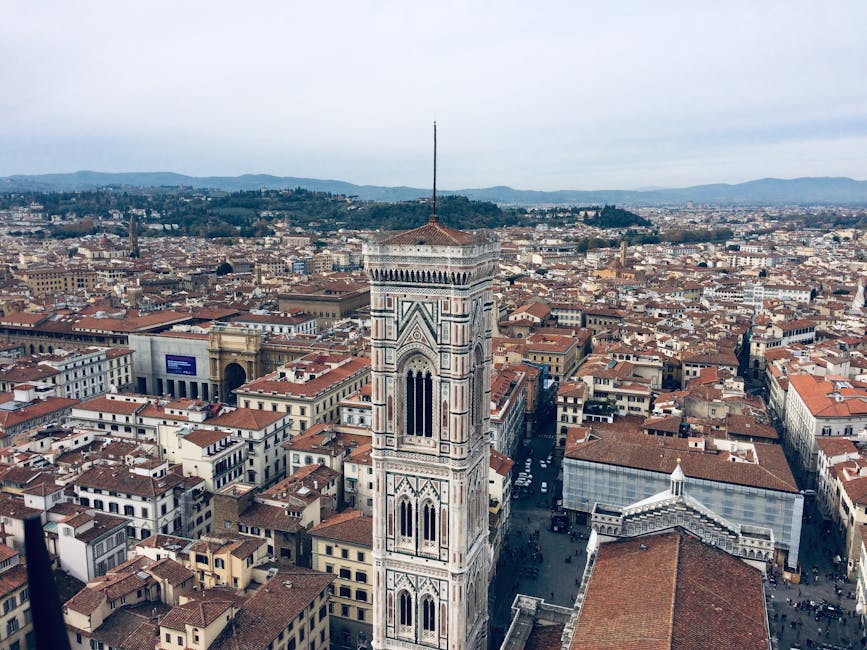
Florence is a compact city, making it easy to explore on foot. Most major attractions are within walking distance of each other, so take your time to wander the charming streets.
Public Transit: The ATAF bus system serves the city, but it’s often more convenient to walk. Buses can take you to nearby areas if needed.
Taxis: While taxis are available, they can be pricey and are not necessary for most travelers. Ride-sharing apps also operate in Florence, providing another option for getting around.
Biking: Consider renting a bike for a different perspective of the city. There are numerous bike rental shops, and cycling is a great way to explore the outskirts.
Rental Cars: Renting a car is not recommended for exploring Florence itself due to limited traffic and parking restrictions. However, if you plan to visit the Tuscan countryside or nearby towns, a car can be useful.
Budget Breakdown#
Understanding the costs associated with a trip to Florence can help you plan accordingly. Here’s a rough daily budget estimate based on different travel styles:
Budget Travelers: Expect to spend around $70-100 per day, which includes staying in hostels or budget hotels, eating at local trattorias or street food, and using public transport.
Mid-Range Travelers: A budget of $150-250 per day will allow for comfortable accommodations, dining at a mix of local restaurants, and engaging in various activities and attractions.
Luxury Travelers: For those seeking a more indulgent experience, a budget of $300+ per day will cover luxury accommodations, fine dining, and private tours or experiences.
Travel Tips for Florence#
Safety: Florence is generally safe, but be mindful of pickpockets, especially in crowded tourist areas. Keep your belongings secure and be aware of your surroundings.
Tipping: Tipping is appreciated but not mandatory. Rounding up the bill or leaving small change is common practice in restaurants.
Language: While many locals speak English, learning a few basic Italian phrases can enhance your experience and interactions with residents.
SIM Cards: If you need mobile data, consider purchasing a local SIM card upon arrival. They are available at the airport or in shops throughout the city.
Scams to Avoid: Be wary of people asking for money or trying to sell you items aggressively. It’s best to ignore them and keep walking.
Cultural Etiquette: Dress modestly when visiting churches and religious sites. Shoulders and knees should be covered.
Plan Ahead: Popular attractions like the Uffizi Gallery and Accademia can have long lines. Consider booking tickets in advance to save time.
Florence is a city that captivates the heart and soul of its visitors. By exploring its neighborhoods, indulging in its culinary offerings, and embracing local customs, you can experience Florence like a true local. If you’re also considering a trip to Nice, France or perhaps Lake Bled, Slovenia , or even Tallinn, Estonia , each offers its own unique charm and experiences waiting to be discovered.