📌 Disclaimer
Prices, schedules, tour details, flight routes, visa requirements, and all other information on this page are based on data at the time of writing. Fares, availability, and policies may change. Please verify current details on the official website before booking.
Why Visit Havana?#
The air in Havana is filled with the scent of tobacco, mingling with the salty breeze from the nearby sea. As you stroll through its cobblestone streets, the colorful facades of colonial buildings capture the eye, each telling a story of a bygone era. Havana is a city that feels alive, echoing the rhythm of salsa music and the laughter of its warm-hearted residents. This capital of Cuba offers a unique blend of history, culture, and an enduring spirit of resilience that beckons travelers from all around the globe.
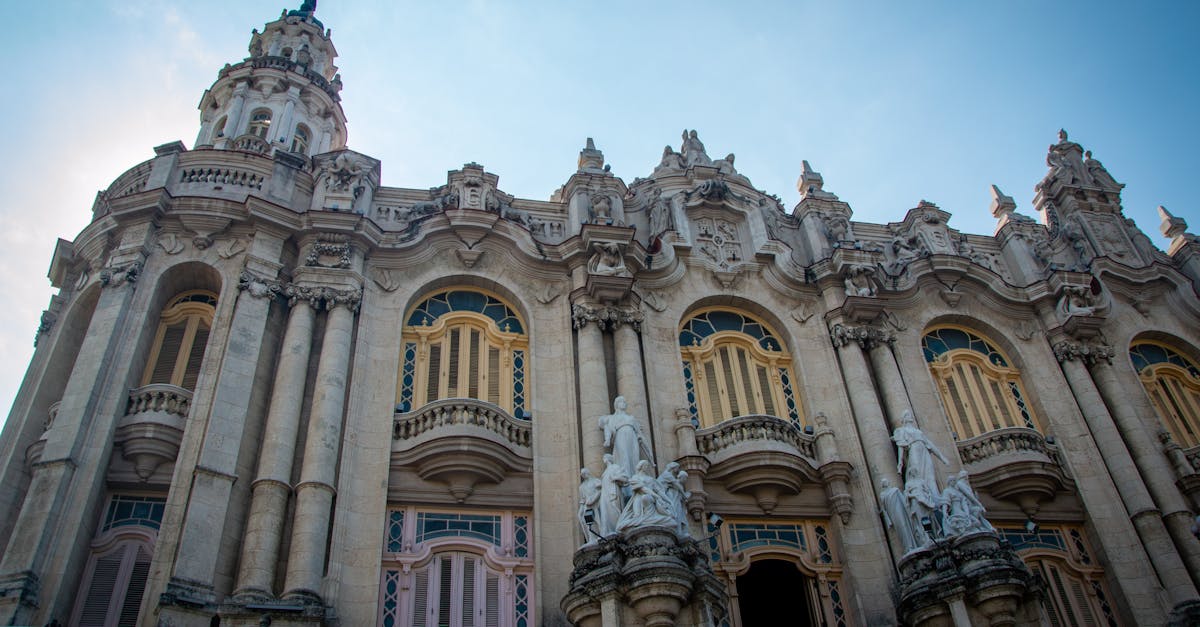
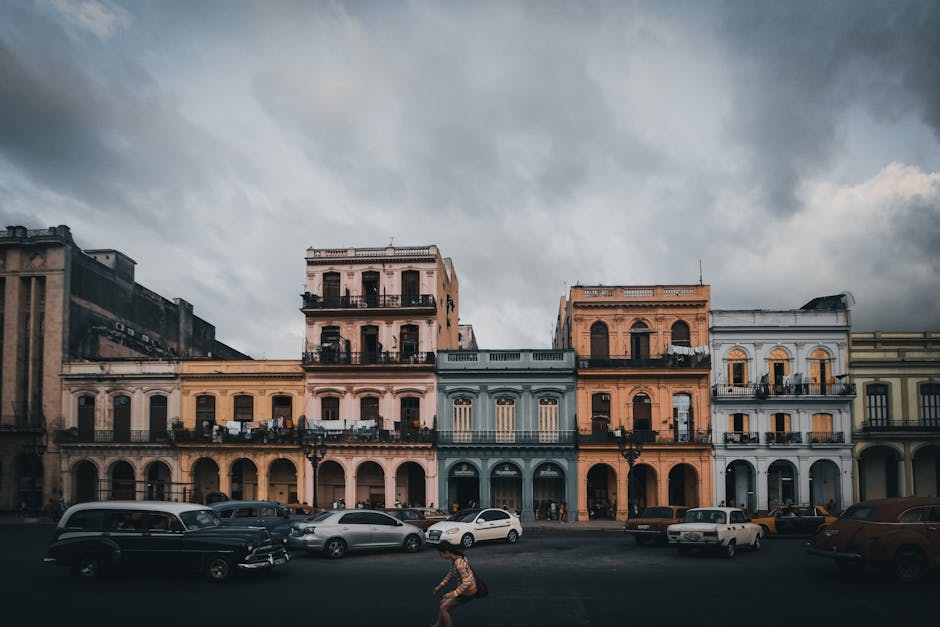
What makes Havana particularly special is its ability to transport you back in time. Classic American cars from the 1950s cruise alongside horse-drawn carriages, while the lively street art and lively plazas invite you to engage with the local culture. The city’s architecture, a mix of Spanish colonial, Art Deco, and neoclassical styles, reflects its rich historical narrative. From the lively atmosphere of Old Havana to the more modern districts, every corner of the city offers something unique waiting to be discovered.
Best Time to Visit Havana#
Havana enjoys a tropical climate, characterized by warm temperatures year-round. The best time to visit is generally during the dry season, which runs from November to April. During these months, you can expect pleasant weather with temperatures ranging from the mid-70s to low 80s Fahrenheit, making it ideal for exploring the city’s outdoor attractions. This peak season also attracts more tourists, so accommodations and activities can be pricier.
May through October marks the rainy season, with July and August being particularly hot and humid. While you may encounter occasional showers during this time, visiting Havana during the shoulder months of late April or early November can offer a good balance of fewer crowds and lower prices. If you prefer a quieter experience, consider traveling during the off-peak months, but be prepared for the possibility of rain and heat.
Where to Stay in Havana#
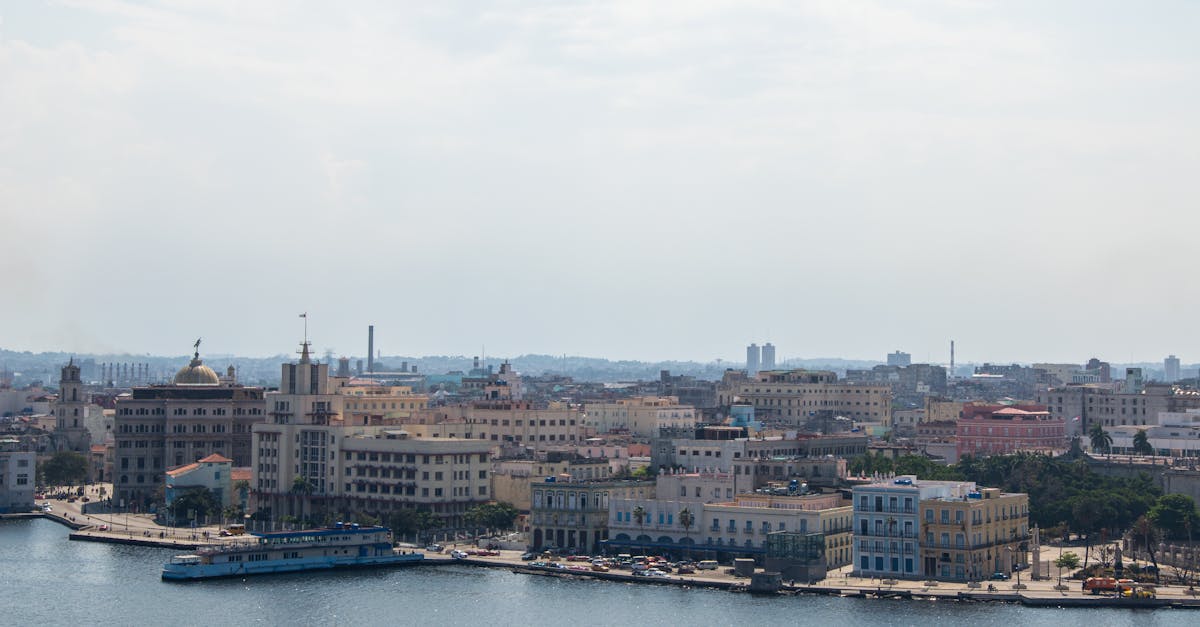
Finding the right neighborhood in Havana can enhance your experience significantly. For budget travelers, Old Havana is a fantastic option. Here, you can find charming casa particulares, or private guesthouses, that often provide a more personal touch and a chance to connect with local hosts.
For those seeking mid-range accommodations, consider Vedado, a lively area known for its parks, restaurants, and nightlife. You’ll find a selection of boutique hotels and guesthouses that offer comfort and convenience without breaking the bank.
If luxury is what you desire, look no further than Miramar. This upscale neighborhood is home to some of the city’s most elegant hotels and is conveniently located near the coast. The area boasts a more modern atmosphere, with beautiful ocean views and access to high-end dining options.
Centro Habana is another option worth exploring, especially for travelers who want to experience the local daily life. This area offers a mix of budget and mid-range accommodations, with a more authentic Cuban experience as you mingle with the locals in nearby markets and eateries.
Top Things to Do in Havana#
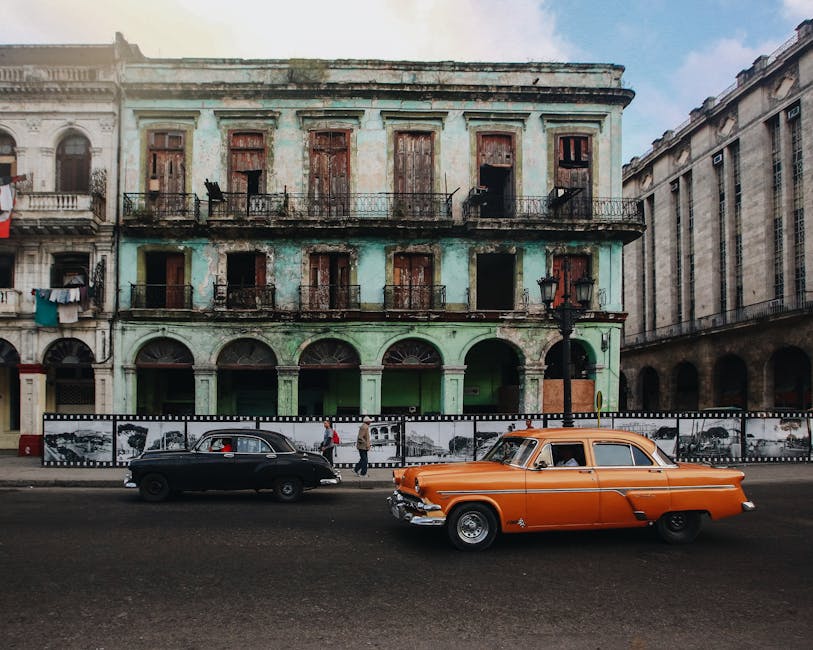
A visit to Old Havana is a must, where the historic streets are lined with colorful buildings and lively squares. Stroll through the Plaza de la Catedral, where the stunning cathedral stands as a testament to the city’s colonial past. Nearby, the Plaza Vieja offers a lively atmosphere with cafes and street performers, perfect for enjoying a local coffee while people-watching.
No trip to Havana is complete without a visit to the Malecón, a long seawall that stretches along the coast. This popular promenade is ideal for a leisurely walk, especially at sunset when the sky turns shades of orange and pink. As you wander, you’ll encounter locals fishing, playing music, or enjoying a casual game of dominoes.
For a taste of Cuba’s revolutionary history, head to the Museum of the Revolution. Housed in a former presidential palace, the museum chronicles the events that shaped modern Cuba. The exhibits are engaging and provide insight into the struggles and triumphs of the Cuban people.
If you’re interested in the arts, the Fabrica de Arte Cubano is a creative hub that showcases contemporary Cuban artists. This former cooking oil factory has been transformed into a lively space for exhibitions, performances, and live music. It’s a perfect spot to experience Havana’s artistic scene.
For a more relaxed experience, consider visiting the Havana Botanical Garden. This expansive garden features a diverse collection of plant species and offers a peaceful retreat from the city’s hustle and bustle. It’s an excellent place to unwind and appreciate the natural beauty of Cuba.
Another iconic landmark is the El Capitolio, reminiscent of the U.S. Capitol building, which once housed the Cuban Congress. The building’s grand architecture and impressive dome are worth exploring, and the surrounding area features several charming cafes and shops.
To experience the local culture, take a stroll through Centro Habana, where you can see daily life unfold. The streets are alive with music, and you’ll find plenty of opportunities to interact with locals.
Finally, don’t miss the chance to enjoy a classic Cuban cigar. Whether you visit a cigar factory or buy one from a local vendor, experiencing this aspect of Cuban culture is essential.
Food and Dining Guide#
Cuban cuisine is a flavorful mix of Spanish, African, and Caribbean influences, making it a highlight of any visit to Havana. One dish you must try is Ropa Vieja, a savory shredded beef stew cooked in a tomato-based sauce, often served with rice and beans. This hearty meal is a staple in Cuban households and is widely available at restaurants and street vendors alike.
For a lighter option, sample Vaca Frita, which features marinated and grilled beef served with onions and lime. The dish is typically accompanied by rice, black beans, and fried plantains, creating a satisfying meal that reflects the island’s culinary roots.
Street food is prevalent in Havana, and you can’t go wrong with Tostones, twice-fried green plantains that are crispy on the outside and tender inside. These make for a delicious snack or side dish while you explore the city. Pair them with Yuca con Mojo, a boiled yucca root drizzled with a garlicky citrus sauce, for a true taste of local flavors.
If you’re in the mood for something sweet, indulge in Flan, a creamy caramel custard that is a popular dessert throughout the region. It’s the perfect way to round off a meal after a day of exploring.
Dining in Havana can range from casual street vendors to upscale restaurants. While street food is often more affordable and offers authentic tastes, local restaurants provide a chance to enjoy a sit-down meal with a broader menu. Be sure to try the local drinks as well, such as a refreshing Mojito or a classic Cuba Libre.