📌 Disclaimer
Prices, schedules, tour details, flight routes, visa requirements, and all other information on this page are based on data at the time of writing. Fares, availability, and policies may change. Please verify current details on the official website before booking.
Why Visit Istanbul?#
Istanbul is a city where East meets West, a vibrant tapestry woven from rich history, diverse cultures, and stunning architecture. As the only city in the world that straddles two continents—Europe and Asia—Istanbul offers travelers a unique blend of experiences. From the majestic silhouette of the Hagia Sophia to the bustling bazaars filled with spices and textiles, every corner of this city tells a story. The city’s rich past as Byzantium and Constantinople adds layers of complexity to its modern-day allure, making it a must-visit destination for any traveler.
Beyond its historical significance, Istanbul is known for its lively atmosphere. The streets are filled with the sounds of street vendors, the aroma of freshly baked simit (Turkish bagels), and the warmth of local hospitality. Whether you’re exploring the labyrinthine Grand Bazaar or sipping Turkish tea while overlooking the Bosphorus, you’ll find that Istanbul is a city that embraces its visitors. It’s a place where ancient traditions coexist with contemporary art and cuisine, ensuring that every traveler leaves with unforgettable memories.
Best Time to Visit Istanbul#

When planning a trip to Istanbul, timing is everything. The best months to visit are typically from April to June and September to November. During these periods, the weather is pleasantly mild, with temperatures ranging from the mid-60s to the low 80s°F, making it perfect for exploring the city’s outdoor attractions. Additionally, these shoulder seasons see fewer tourists compared to the peak summer months, allowing for a more intimate experience.
Summer (July and August) can be hot and crowded, with temperatures often soaring above 90°F. While the city comes alive with festivals and events, you might find yourself battling long lines and higher prices for accommodations. Winter (December to February) can be chilly and damp, but it has its own charm, especially with fewer crowds and lower prices. If you’re willing to bundle up, you can enjoy a quieter version of Istanbul and even catch the occasional snowfall, transforming the city into a winter wonderland.
Where to Stay in Istanbul#
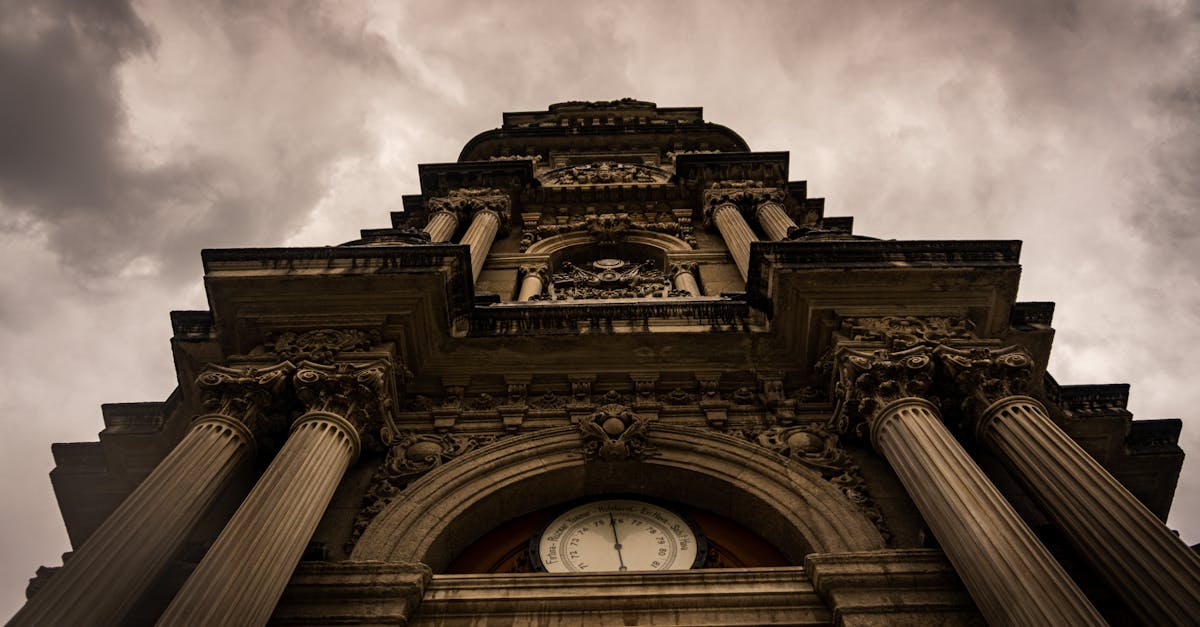
Finding the right neighborhood to stay in can enhance your Istanbul experience. Here are some recommendations across various budget tiers:
Budget: Sultanahmet is the heart of Istanbul’s historic district, making it a great choice for budget travelers. Here, you’ll find affordable hostels and guesthouses within walking distance of iconic landmarks like the Blue Mosque and Topkapi Palace.
Mid-Range: Beyoğlu is known for its vibrant nightlife, trendy cafes, and cultural venues. This area offers a range of boutique hotels and guesthouses that cater to mid-range travelers. Staying here gives you easy access to Istiklal Avenue, a bustling street lined with shops and eateries.
Luxury: For a more upscale experience, consider the neighborhoods of Nişantaşı or Beşiktaş. These areas boast luxury hotels with stunning views of the Bosphorus and are close to high-end shopping and gourmet dining options. You’ll also find art galleries and parks that add to the appeal of these neighborhoods.
Local Experience: Kadıköy, located on the Asian side of Istanbul, is perfect for travelers wanting to experience a more local vibe. This lively neighborhood is filled with markets, cafes, and street art, providing a taste of everyday life in Istanbul. Accommodations here range from boutique hotels to cozy B&Bs.
Top Things to Do in Istanbul#
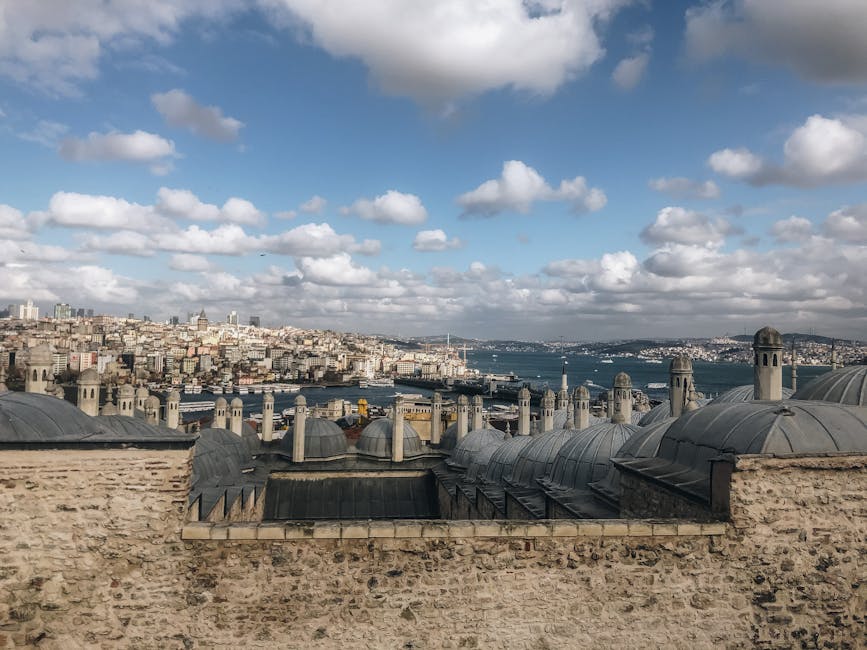
Hagia Sophia: Once a cathedral, then a mosque, and now a museum, Hagia Sophia is an architectural marvel that showcases Byzantine and Ottoman influences. Don’t miss the stunning mosaics and the grand dome that has inspired countless buildings around the world.
Topkapi Palace: Explore the opulent residence of Ottoman sultans, complete with lavish courtyards, intricate tile work, and the famous Harem section. The palace offers a glimpse into royal life and houses an impressive collection of artifacts.
Blue Mosque: Known for its stunning blue tiles and six minarets, the Blue Mosque is a functioning mosque that welcomes visitors. Be sure to dress modestly and be respectful during prayer times.
Grand Bazaar: One of the largest and oldest covered markets in the world, the Grand Bazaar is a shopper’s paradise. Lose yourself among the stalls selling everything from carpets to jewelry, and don’t forget to haggle for the best prices.
Bosphorus Cruise: Take a leisurely boat ride along the Bosphorus Strait for stunning views of the city’s skyline, palaces, and bridges. Many companies offer short cruises, perfect for capturing the essence of Istanbul from the water.
Spice Bazaar: Also known as the Egyptian Bazaar, this vibrant market is filled with the scents of spices, dried fruits, and Turkish delights. It’s a great place to pick up unique souvenirs and sample local treats.
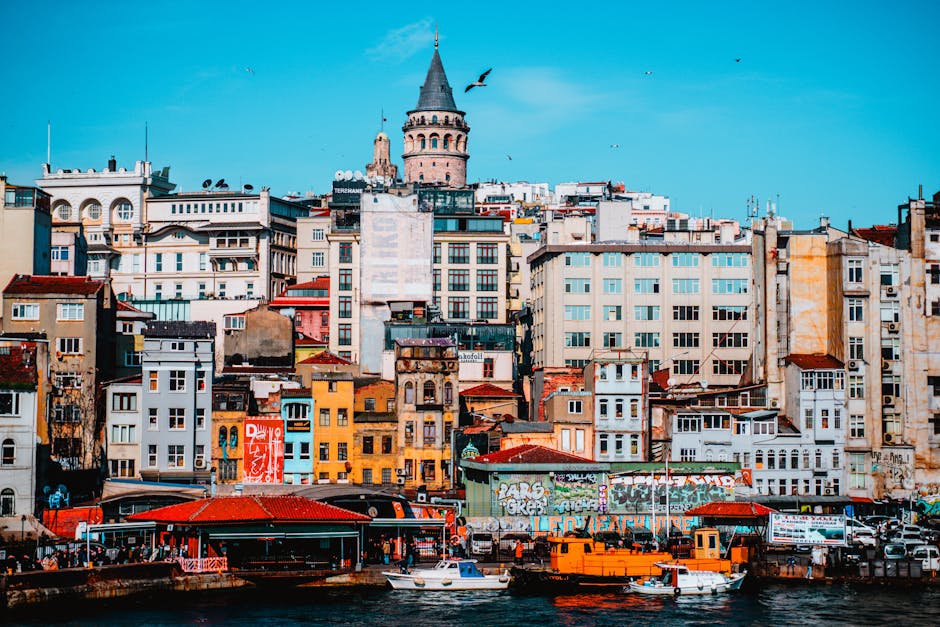
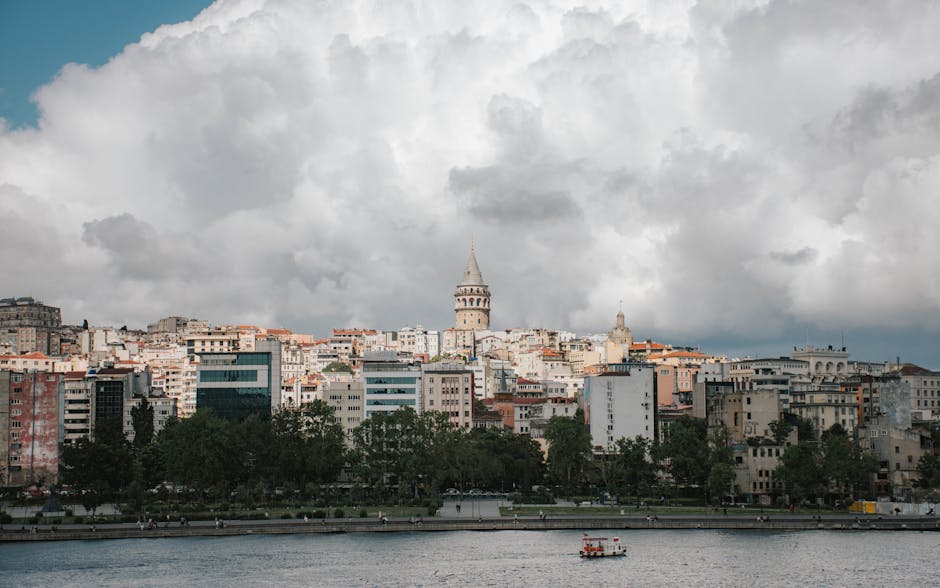
Galata Tower: Climb to the top of this medieval stone tower for panoramic views of Istanbul. The surrounding Galata district is also worth exploring, with its charming streets and cafes.
Chora Church: A bit off the beaten path, this church is renowned for its breathtaking mosaics and frescoes depicting biblical scenes. It’s a hidden gem that provides insight into Byzantine art.
Basilica Cistern: Discover this ancient underground water reservoir, featuring beautifully illuminated columns and a serene atmosphere. The eerie ambiance makes it a fascinating stop, especially on a hot day.
Istiklal Avenue: Stroll down this lively pedestrian street filled with shops, restaurants, and street performers. It’s a great place to experience the modern side of Istanbul and enjoy a cup of Turkish coffee.
Food and Dining Guide#
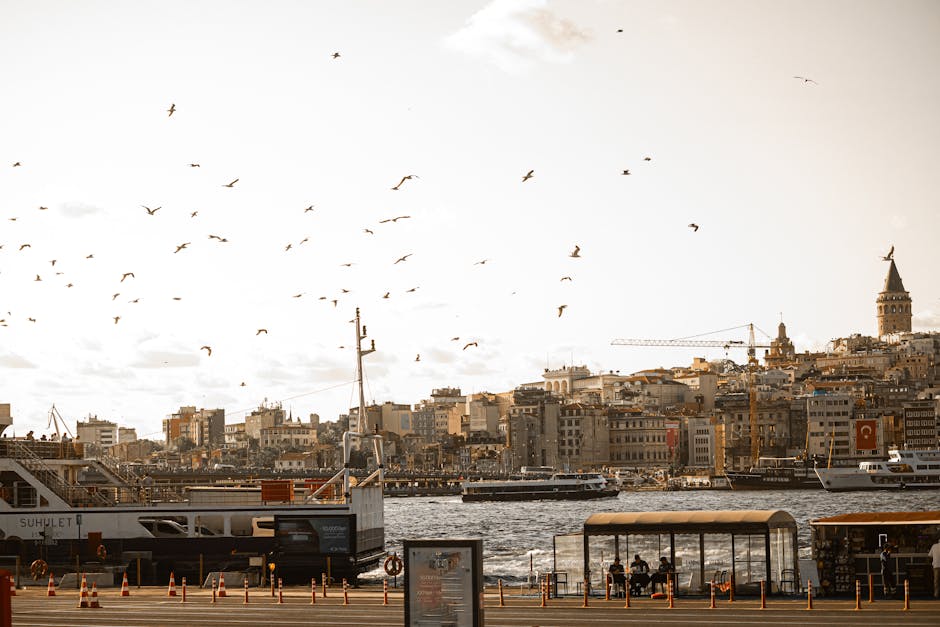
Istanbul is a food lover’s paradise, offering a blend of traditional and modern cuisine. Here are some local highlights and must-try dishes:
Kebabs: A staple of Turkish cuisine, kebabs come in various forms, including döner (sliced meat), şiş (skewered meat), and adana (spicy minced meat). You can find delicious kebabs at street vendors or sit-down restaurants.
Meze: These small appetizers are perfect for sharing. Try a variety of meze dishes, including hummus, stuffed grape leaves, and roasted eggplant, paired with a glass of rakı, the national anise-flavored spirit.
Baklava: This sweet pastry made of layers of filo dough, nuts, and honey is a must-try dessert. You’ll find it in many bakeries, and it’s perfect for satisfying your sweet tooth.
Simit: Often referred to as a Turkish bagel, simit is a sesame-covered bread that’s perfect for breakfast or a snack. Grab one from a street vendor and enjoy it with cheese and olives.
Street Food: Don’t miss out on Istanbul’s vibrant street food scene. Try fish sandwiches near the Galata Bridge, roasted chestnuts in winter, or the famous çiğ köfte (spicy raw meatballs) sold by street vendors.
When dining out, you can choose between casual eateries and upscale restaurants. For an authentic experience, consider trying a local lokanta (traditional eatery) where you can sample home-cooked dishes.
Getting Around Istanbul#
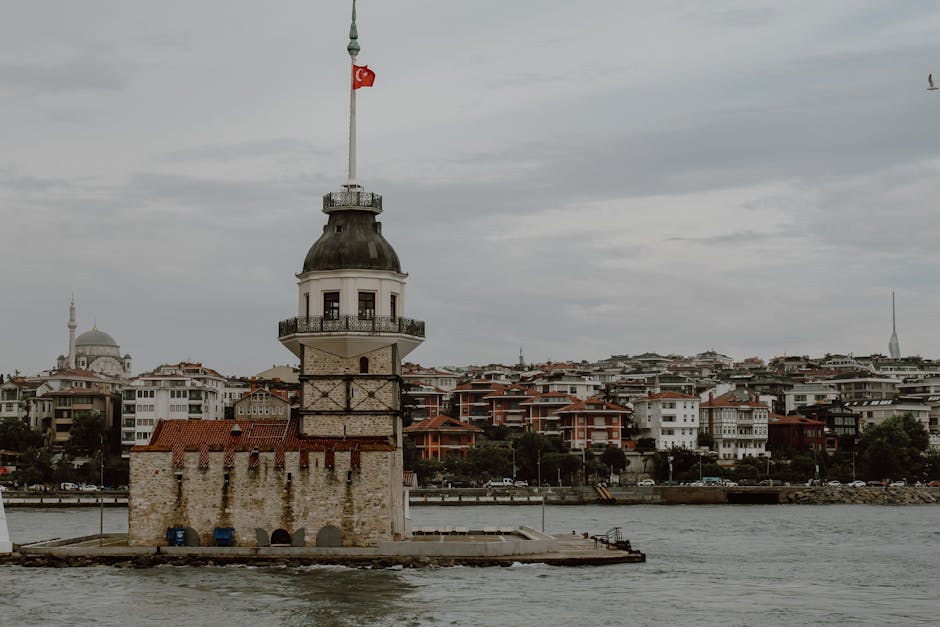
Navigating Istanbul can be an adventure in itself, but the city offers various transportation options to make it easier.
Public Transit: The Istanbulkart is a rechargeable card that gives you access to buses, trams, ferries, and the metro. It’s the most economical way to get around the city. The tram system is particularly useful for reaching major attractions in the Sultanahmet area.
Taxis: Taxis are widely available but make sure to use a reputable service or an app-based taxi service to avoid scams. Always insist on using the meter.
Walking: Many of Istanbul’s attractions are within walking distance of each other, especially in areas like Sultanahmet and Beyoğlu. Walking allows you to soak in the city’s atmosphere and discover hidden gems along the way.
Rental Cars: While renting a car is an option, it’s not recommended due to heavy traffic and limited parking in central areas. Public transportation is usually more convenient.
Budget Breakdown#
Traveling to Istanbul can suit various budgets. Here’s a rough estimate of daily expenses you might encounter:
Budget Travelers: Expect to spend around $30-50 per day. This includes dormitory-style accommodations, street food meals, and using public transportation.
Mid-Range Travelers: For a more comfortable experience, budget around $100-150 per day. This allows for private accommodations, dining at local restaurants, and entrance fees to major attractions.
Luxury Travelers: If you prefer luxury, plan to spend $250 and up daily. This budget accommodates upscale hotels, fine dining, and private tours.
Travel Tips for Istanbul#
Safety: While Istanbul is generally safe for tourists, it’s always wise to stay aware of your surroundings, especially in crowded areas. Avoid displaying valuables and be cautious of pickpockets.
Tipping: Tipping is appreciated in Turkey. In restaurants, rounding up the bill or leaving 10-15% is standard. For taxis, you can round up the fare.
Language: While many people in tourist areas speak English, learning a few basic Turkish phrases can enhance your experience and show respect for the local culture.
SIM Cards: Consider purchasing a local SIM card for your phone upon arrival. This will help you navigate the city and stay connected without incurring international roaming charges.
Scams: Be aware of common scams, such as overly friendly strangers offering unsolicited help or touts trying to lead you to shops. Trust your instincts and be cautious.
Dress Code: When visiting mosques, dress modestly. Women should cover their heads, and both men and women should wear clothing that covers their arms and legs.
Cultural Etiquette: Be respectful of local customs, especially during Ramadan. Eating in public during fasting hours may be frowned upon, so be mindful of your surroundings.
If you’re also considering a trip to Seville, Spain or Bruges, Belgium , check out our guides for more European adventures. Istanbul is a captivating destination that offers a wealth of experiences, and with this comprehensive itinerary guide, you’re well on your way to planning an unforgettable trip!