📌 Disclaimer
Prices, schedules, tour details, flight routes, visa requirements, and all other information on this page are based on data at the time of writing. Fares, availability, and policies may change. Please verify current details on the official website before booking.
Photo by Nizar Firmansyah on Pexels
Why Visit Kyoto ?#
Kyoto, the cultural heart of Japan , is a destination that beautifully marries ancient traditions with modern life. Renowned for its stunning temples, historic districts, and breathtaking gardens, Kyoto offers travelers a unique glimpse into Japan’s rich history. With over 1,600 temples and shrines, including the iconic Kinkaku-ji (Golden Pavilion) and Fushimi Inari Taisha, visitors can immerse themselves in the spiritual and architectural splendor that defines this city. Unlike the bustling metropolises of Tokyo or Osaka, Kyoto maintains a serene atmosphere that invites exploration and reflection.
Beyond its historical significance, Kyoto is also known for its vibrant cultural experiences. From traditional tea ceremonies to geisha performances in Gion, the city provides numerous opportunities to engage with Japanese customs and arts. Additionally, Kyoto’s seasonal beauty—from cherry blossoms in spring to vibrant autumn leaves—ensures that each visit offers something new and enchanting. Whether you’re a history buff, a foodie, or simply in search of tranquility, Kyoto is a treasure trove waiting to be discovered.
Best Time to Visit Kyoto#
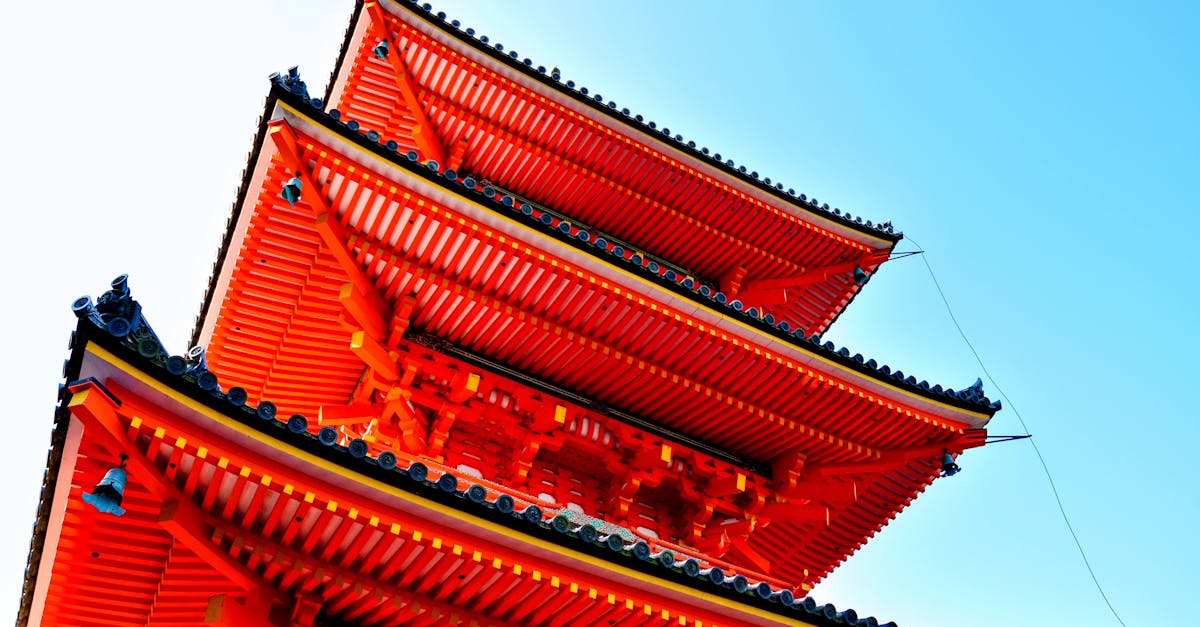
The best time to visit Kyoto largely depends on your interests and tolerance for crowds.
Spring (March to May): This is arguably the most popular season for tourists, with cherry blossoms typically peaking in early April. The weather is mild, with temperatures ranging from the mid-50s to low 70s (Fahrenheit). However, be prepared for larger crowds, especially in famous cherry blossom viewing spots.
Summer (June to August): Kyoto can get quite hot and humid during summer, with temperatures often exceeding 85°F. While this season sees fewer tourists after the cherry blossom rush, it’s also when many festivals take place, such as the Gion Matsuri in July. Expect occasional rain, particularly in June, which is the rainy season.
Fall (September to November): Another beautiful time to visit, fall brings stunning foliage that transforms the city into a canvas of reds, oranges, and yellows. Early November is usually the best time to see the autumn leaves, and temperatures are comfortable, ranging from the mid-50s to mid-70s. Crowds can be significant, especially around popular temples.
Winter (December to February): If you prefer fewer crowds and don’t mind cooler weather (which can drop to the low 30s), winter is a peaceful time to explore Kyoto. While some attractions may have shorter hours, the serene atmosphere and occasional snowfall create a magical setting. Plus, you can enjoy seasonal events, such as illuminations and New Year celebrations.
Where to Stay in Kyoto#
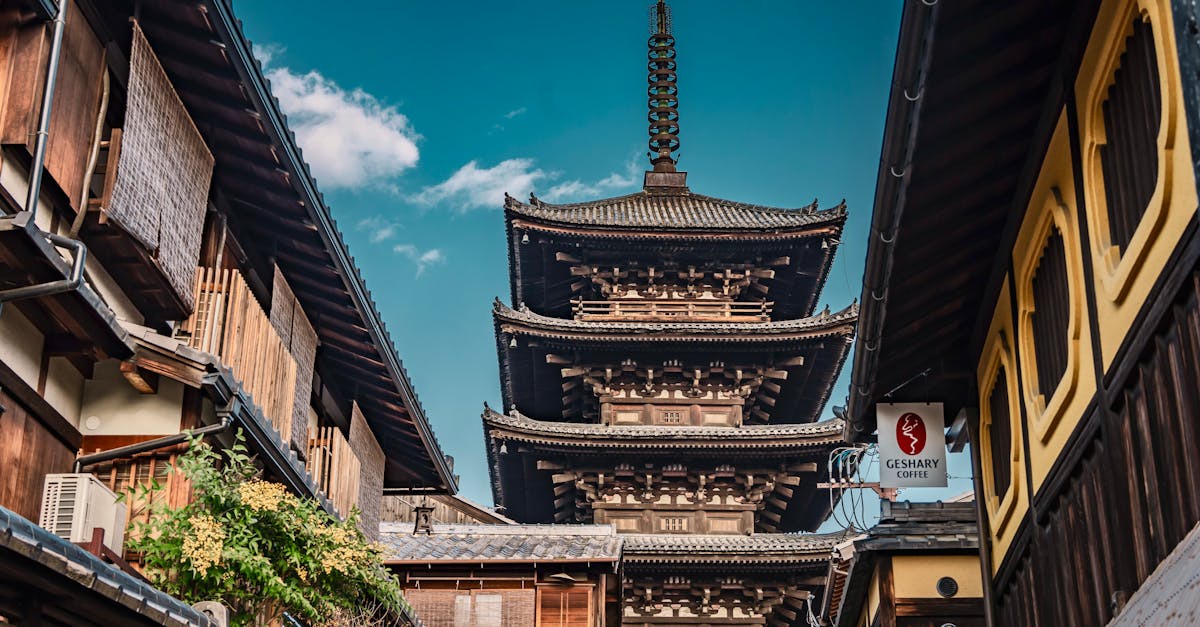
Finding the right neighborhood can enhance your Kyoto experience. Here are some recommendations across different budget tiers:
Budget:
- Higashiyama: This area is close to many temples and offers affordable guesthouses and hostels. It’s a charming district with traditional wooden buildings and narrow streets.
Mid-Range:
- Gion: Famous for its geisha culture, Gion is a picturesque neighborhood with a mix of traditional inns and modern hotels. Staying here gives you easy access to cultural experiences and dining options.
Luxury:
- Arashiyama: Known for its bamboo groves and scenic beauty, Arashiyama offers upscale ryokans (traditional inns) with stunning views. It’s a bit farther from the city center, but the tranquility and nature make it worth it.
Central Kyoto: For those who want to be in the heart of the action, central Kyoto offers a range of accommodations from budget to luxury. This area provides easy access to shopping, dining, and public transport.
Top Things to Do in Kyoto#
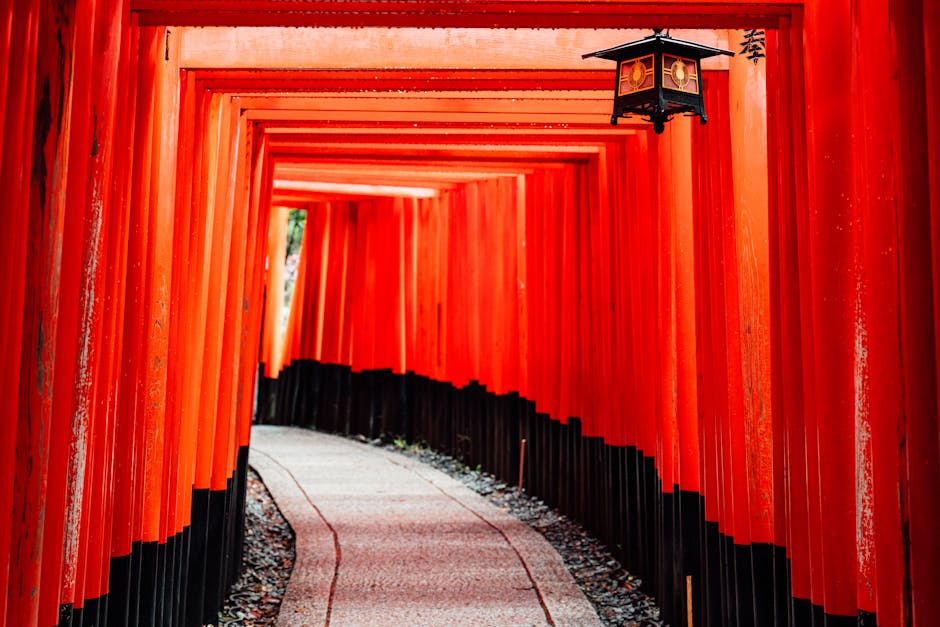
Kinkaku-ji (Golden Pavilion): This iconic Zen temple is covered in gold leaf and surrounded by beautiful gardens, making it a must-see for any visitor.
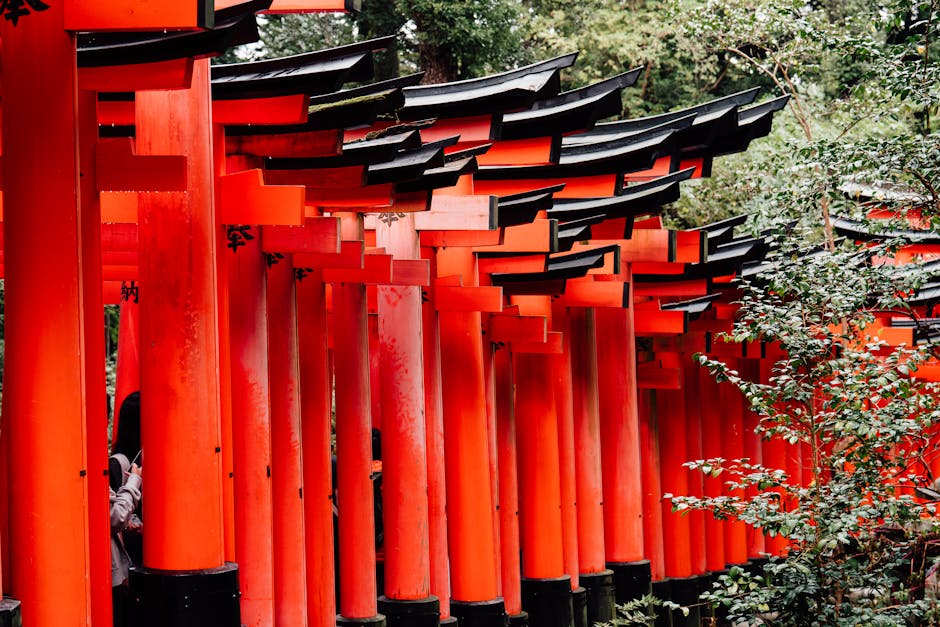
Fushimi Inari Taisha: Famous for its thousands of vermilion torii gates, this shrine dedicated to the rice deity is a breathtaking hike that offers stunning views of Kyoto.
Arashiyama Bamboo Grove: Walking through this otherworldly bamboo forest is a surreal experience. Be sure to visit the nearby Iwatayama Monkey Park if you’re feeling adventurous.
Kiyomizu-dera Temple: Known for its wooden stage that juts out over the hillside, this temple offers fantastic views, especially during cherry blossom and fall foliage seasons.
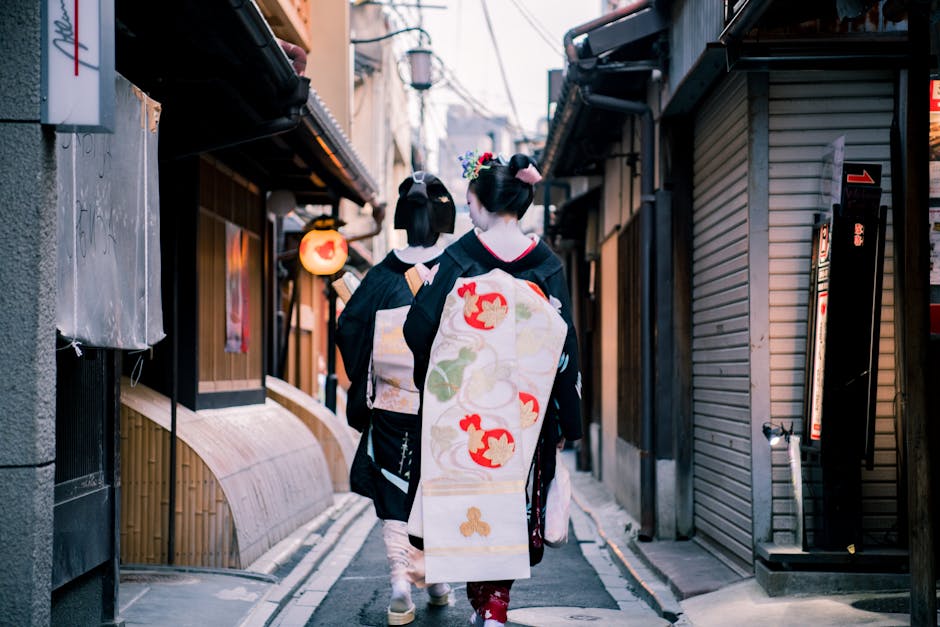
Gion District: Explore the traditional streets of Gion, where you may spot geisha on their way to appointments. The area is also home to tea houses and quaint shops.
Nijo Castle: This UNESCO World Heritage site features beautiful gardens and stunning architecture, showcasing the power of the shoguns in the past.
Philosopher’s Path: A lovely canal-side walk lined with cherry trees, this path connects several temples and is particularly beautiful in spring and fall.
Nanzen-ji Temple: This expansive temple complex is less crowded than others and features beautiful gardens and impressive architecture, making it a peaceful retreat.
Kyoto Imperial Palace: Once the residence of the Emperor of Japan, the palace and its gardens are open to the public and provide a glimpse into the imperial history of Japan.
Tofuku-ji Temple: Known for its stunning zen gardens and beautiful autumn colors, this temple is often overlooked by tourists but is well worth a visit.
Food and Dining Guide#
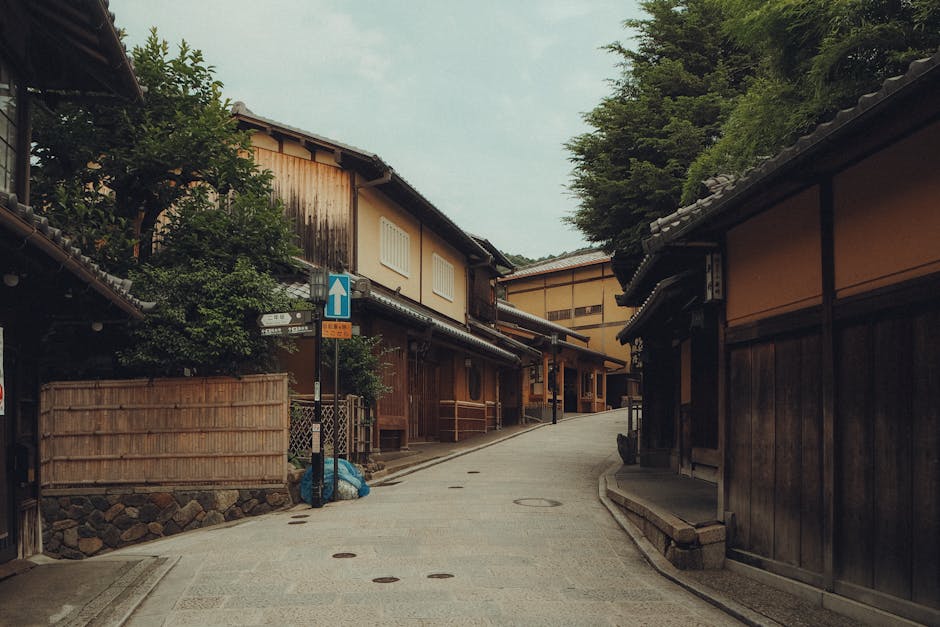
Kyoto’s culinary scene is rich and diverse, showcasing traditional dishes and local specialties. Here are some must-try items:
Kaiseki: This traditional multi-course meal is an art form, highlighting seasonal ingredients and meticulous presentation. Enjoying a kaiseki meal is a unique cultural experience.
Yudofu: A simple yet delicious dish of boiled tofu, yudofu is often enjoyed in winter and served with dipping sauces. It’s a staple of Kyoto cuisine.
Matcha Sweets: Kyoto is famous for its matcha (green tea) products. Be sure to try matcha-flavored sweets, such as ice cream, cakes, and traditional wagashi (Japanese sweets).
Kyoto-style Sushi: Unlike the more common nigiri, Kyoto-style sushi often features marinated fish and vinegared rice, making it a unique take on this beloved dish.
Street Food: Don’t miss trying local street food such as yakitori (grilled chicken skewers), takoyaki (octopus balls), and yakiimo (roasted sweet potatoes) from vendors in bustling areas like Nishiki Market.
When dining out, consider both street food stalls for quick bites and sit-down restaurants for a more traditional experience. Many places offer lunch specials, making it easier to enjoy high-quality meals without breaking the bank.
Getting Around Kyoto#
Kyoto’s public transportation system is efficient and convenient, making it easy to navigate the city.
Public Transit: The city has an extensive bus network and subway system. The bus is often the best way to reach temples and attractions, while the subway is ideal for traveling longer distances. Consider getting a prepaid IC card for seamless travel.
Bicycles: Renting a bicycle is a popular option for exploring Kyoto, especially in areas like the Philosopher’s Path and Arashiyama. Many rental shops offer affordable rates.
Walking: Kyoto is a walkable city, particularly in the historic districts. Strolling allows you to discover hidden gems and fully appreciate the beauty of the surroundings.
Taxis: While taxis are available, they can be expensive compared to public transport. Use them for late-night travel or if you’re in a hurry.
Rental Cars: Renting a car is not recommended for the city center due to limited parking and heavy traffic. However, it can be useful for exploring the outskirts or nearby attractions.
Budget Breakdown#
Understanding the costs associated with visiting Kyoto can help you plan your trip effectively. Here’s a rough daily budget estimate:
Budget Travelers: Expect to spend around $70-100 per day. This includes accommodation in affordable hostels or guesthouses ($30-50), meals from street vendors or budget restaurants ($15-25), public transport ($5-10), and entry fees to attractions ($10-15).
Mid-Range Travelers: A daily budget of $150-250 is realistic. This includes mid-range hotel stays ($75-150), meals in casual dining establishments ($30-60), transport ($10-15), and activities ($20-30).
Luxury Travelers: For those seeking a more upscale experience, budget around $300-500 per day. This encompasses luxury accommodations ($200+), fine dining ($100+), private transport or guided tours ($50-100), and premium activities ($50-100).
These estimates can vary based on personal preferences and travel styles, but they provide a solid framework for budgeting your Kyoto adventure.
Travel Tips for Kyoto#
Safety: Kyoto is generally very safe for travelers. However, always stay aware of your belongings, especially in crowded areas.
Tipping: Tipping is not customary in Japan and can even be considered rude. Instead, show appreciation through polite words or gestures.
Language: While many signs are in English, learning a few basic Japanese phrases can enhance your experience. Simple greetings and expressions of thanks go a long way.
SIM Cards: Consider purchasing a SIM card or portable Wi-Fi device upon arrival to stay connected. This can help with navigation and translation.
Cultural Etiquette: Familiarize yourself with local customs, such as bowing when greeting and removing shoes when entering homes or certain traditional spaces.
Cash is King: While credit cards are accepted in many places, smaller shops and restaurants may only take cash. It’s advisable to carry yen for such instances.
Avoiding Scams: Be cautious of overly friendly strangers offering unsolicited help or services, as these may be scams aimed at tourists.
For those contemplating further adventures in Asia, if you’re also considering a trip to Kuala Lumpur, Malaysia or Kathmandu, Nepal , check out our guides for more detailed insights.
Kyoto is undoubtedly worth visiting for its stunning sights, rich culture, and culinary delights. With careful planning and an open heart, your journey through this historical gem will be an unforgettable experience.