📌 Disclaimer
Prices, schedules, tour details, flight routes, visa requirements, and all other information on this page are based on data at the time of writing. Fares, availability, and policies may change. Please verify current details on the official website before booking.
Why Visit Prague ?#
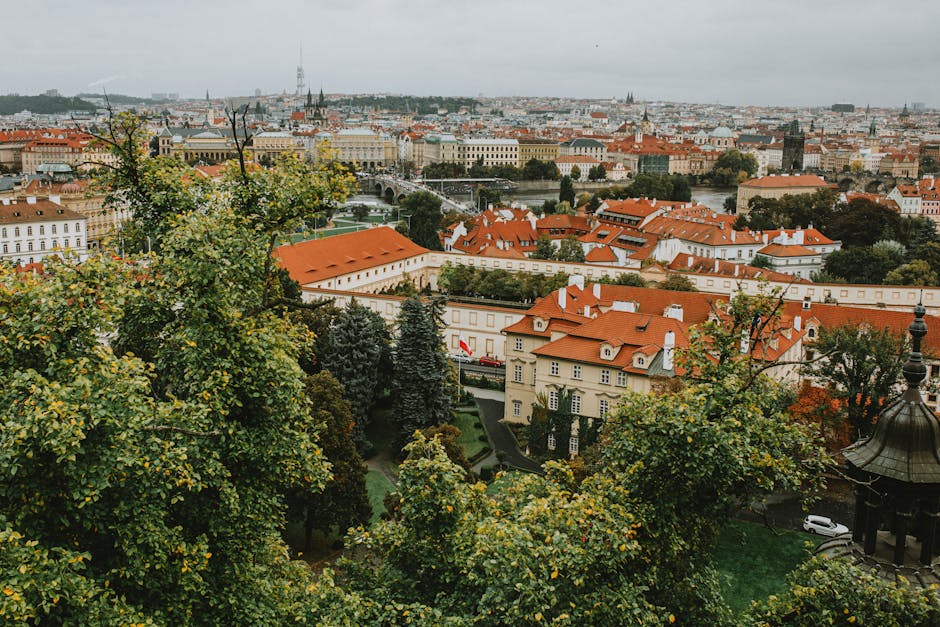
Prague, the capital of the Czech Republic , is often referred to as the “City of a Hundred Spires” due to its stunning skyline filled with historical architecture and picturesque churches. A blend of Gothic, Baroque, and Renaissance styles, the city’s architecture tells a story that spans over a thousand years, making it a fascinating destination for history buffs and casual travelers alike. Beyond its captivating buildings, Prague boasts a vibrant cultural scene, with theaters, galleries, and museums that showcase both traditional and contemporary art.
What truly sets Prague apart, however, is its enchanting atmosphere. Strolling through the cobblestone streets of Old Town, where the Astronomical Clock chimes on the hour, or crossing the iconic Charles Bridge while watching the sunset over the Vltava River, evokes a sense of magic and nostalgia. The city is also known for its warm hospitality, lively beer culture, and a burgeoning culinary scene that draws on both traditional Czech flavors and modern influences.
Best Time to Visit Prague#
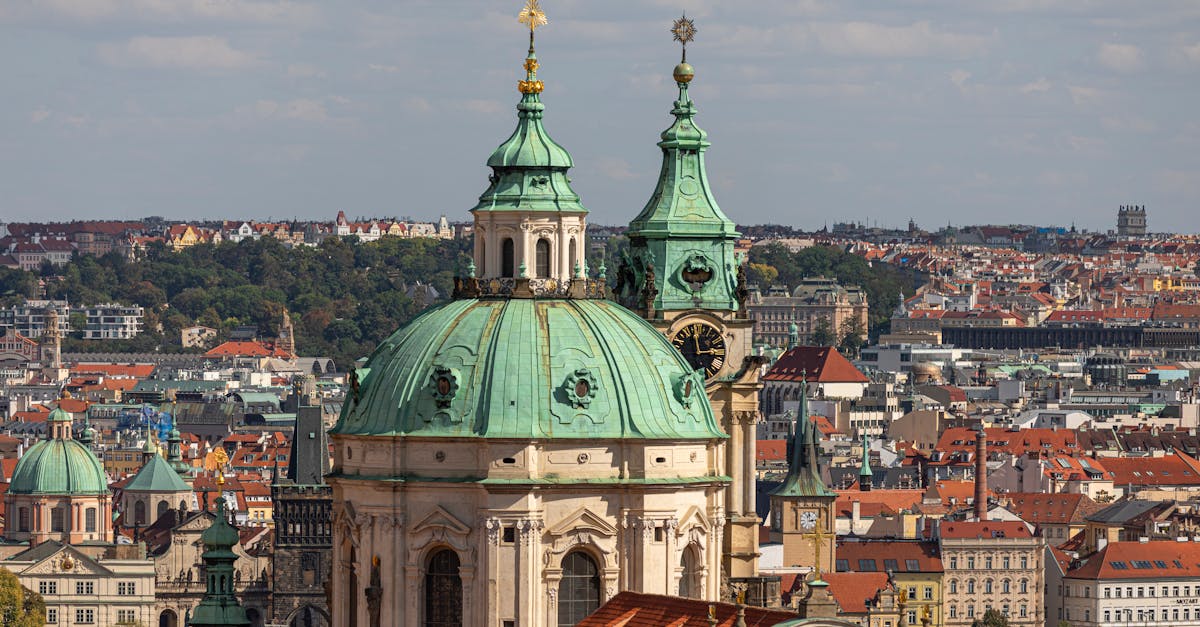
Prague is a year-round destination, but the best time to visit depends on your preferences for weather, crowds, and pricing.
Spring (March to May): This is one of the most delightful times to visit. The weather is mild, with temperatures ranging from the mid-40s to mid-60s°F, and the city begins to bloom with flowers. Crowds are generally lighter than in summer, making it easier to explore popular attractions. However, prices for accommodation may start to rise as the season progresses.
Summer (June to August): Summer sees the highest number of tourists, with warm temperatures often reaching the 70s°F and long daylight hours. While this is a vibrant time to enjoy outdoor festivals and events, expect larger crowds and higher prices for accommodation and attractions.
Fall (September to November): Fall is another beautiful time to visit, with mild weather and the stunning autumn colors of the city’s parks and gardens. Prices start to drop after the summer peak, and crowds thin out significantly, especially in late October and November.
Winter (December to February): If you enjoy a winter wonderland, consider visiting during the colder months. While temperatures can dip below freezing, the city is beautifully adorned with holiday lights and festive markets, particularly during the Christmas season. This is the least crowded time, and accommodation prices may be at their lowest, making it a budget-friendly option.
Where to Stay in Prague#
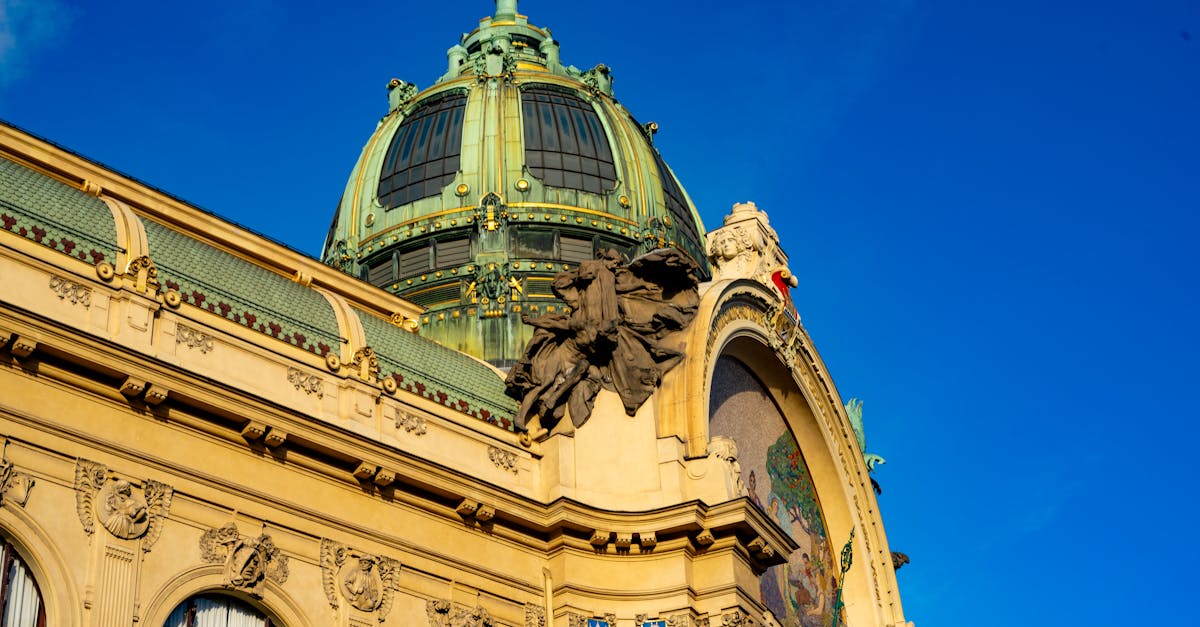
When choosing where to stay in Prague, you’ll find a variety of neighborhoods, each offering a unique experience. Here are a few recommendations across different budget tiers:
Budget: Look for accommodations in the Žižkov or Vinohrady neighborhoods. These areas are slightly outside the tourist center but are known for their affordable hostels and guesthouses, as well as vibrant local culture and dining options.
Mid-Range: The New Town (Nové Město) area is a great choice for mid-range travelers. This neighborhood is home to many shops, restaurants, and attractions like Wenceslas Square. Here, you can find charming boutique hotels that offer comfort without breaking the bank.
Luxury: For a luxurious experience, consider staying in the historic Old Town or along the Vltava River. These areas boast high-end hotels with stunning views of iconic landmarks, such as Prague Castle and the Charles Bridge. The convenience of being close to major attractions adds to the overall experience.
Top Things to Do in Prague#
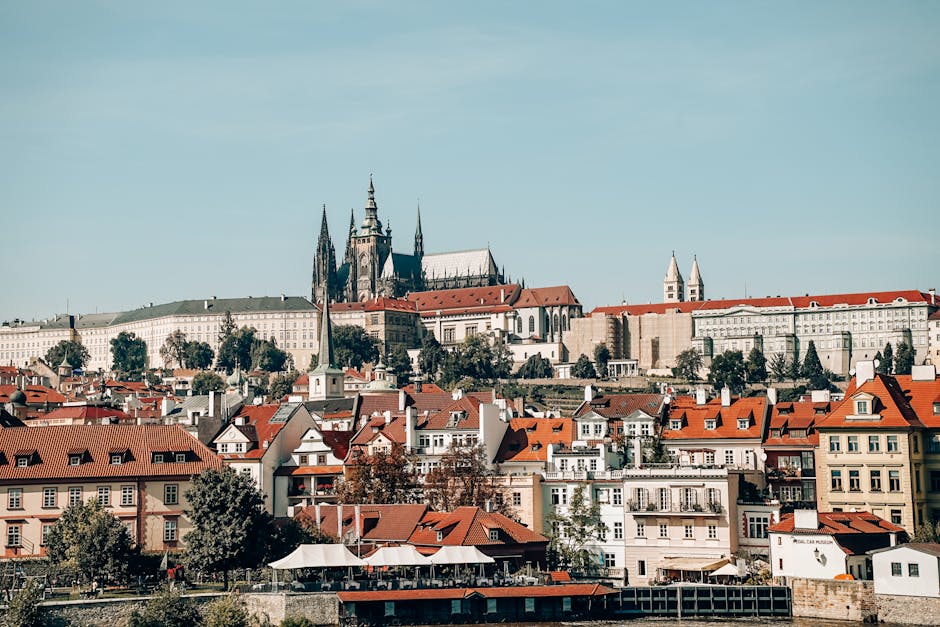
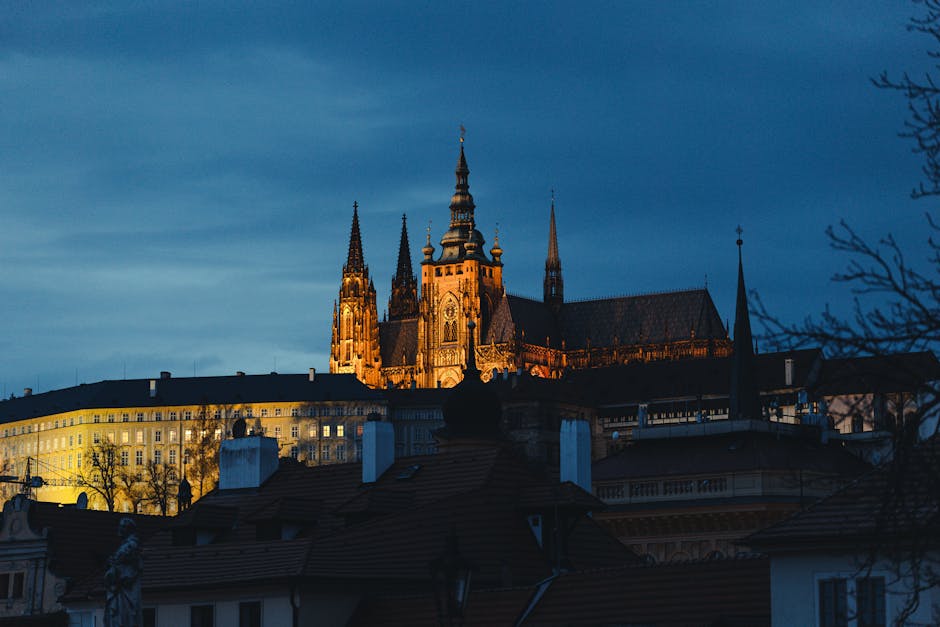
Prague Castle: A UNESCO World Heritage site and the largest ancient castle in the world, Prague Castle is a must-visit. Explore its stunning architecture, including St. Vitus Cathedral, and enjoy panoramic views of the city from its grounds.
Charles Bridge: This iconic bridge, adorned with statues of saints, connects Old Town with Lesser Town. It’s particularly beautiful at sunrise or sunset, making it perfect for a leisurely stroll.
Old Town Square and the Astronomical Clock: The heart of Prague, the Old Town Square is surrounded by colorful buildings and historical landmarks. Don’t miss the hourly show of the Astronomical Clock, one of the oldest working clocks in the world.
Jewish Quarter (Josefov): Rich in history, this area features the Jewish Museum, several synagogues, and the Old Jewish Cemetery. It’s a poignant reminder of the Jewish community’s historical presence in Prague.
Vyšehrad: Often overlooked by tourists, Vyšehrad is a historic fort located on a hill overlooking the Vltava River. Its park offers stunning views, and visitors can explore the Basilica of St. Peter and St. Paul and the Vyšehrad Cemetery.
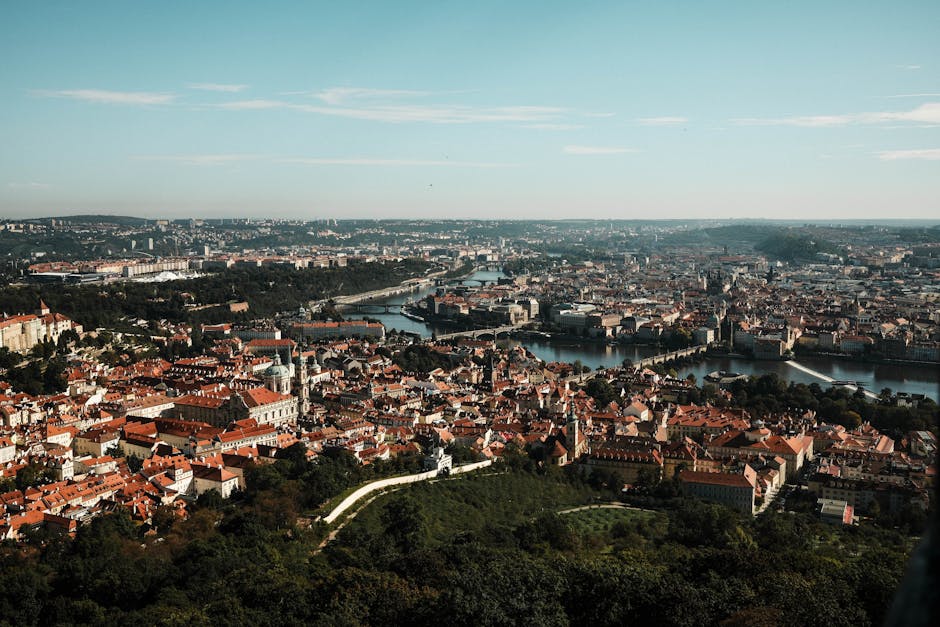
Petrin Hill: A lovely spot for a picnic or a scenic walk, Petrin Hill offers beautiful gardens and a lookout tower that resembles the Eiffel Tower. The view from the top is breathtaking, especially at sunset.
Dancing House: This modern architectural marvel, designed by Frank Gehry, adds a contemporary flair to Prague’s skyline. The building houses a restaurant with stunning views and is a great photo opportunity.
Lennon Wall: A colorful tribute to John Lennon and a symbol of peace and love, the Lennon Wall is a constantly changing canvas of graffiti. It’s an excellent spot for those looking to capture a unique aspect of Prague’s culture.
National Museum: Located at the top of Wenceslas Square, the National Museum showcases a vast collection of Czech history and culture. The building itself is an architectural gem worth exploring.
Local Markets: Visit one of Prague’s many markets, such as Havelské tržiště, to experience local life. Here, you can find fresh produce, handmade crafts, and traditional Czech snacks.
Food and Dining Guide#
Czech cuisine is hearty and flavorful, influenced by its Central European neighbors. Here are some local highlights and must-try dishes:
Goulash: A traditional Czech dish, goulash is a rich stew made with beef, paprika, and spices, usually served with bread or dumplings.
Svíčková: This popular dish features marinated beef served with a creamy vegetable sauce, often accompanied by bread dumplings. It’s a comforting meal that embodies Czech home cooking.
Trdelník: A sweet pastry that’s become a must-try for visitors, trdelník is a rolled dough pastry grilled over an open flame, coated in sugar and nuts. You can often find it at street stalls throughout the city.
Koláče: These baked pastries are filled with various ingredients like fruits, cheese, or poppy seeds. Perfect for breakfast or as a snack, they are a delightful treat to try.
Pilsner Beer: No visit to Prague is complete without sampling some of the local beer. The Czech Republic is renowned for its beer culture, and trying a Pilsner in a local pub is a quintessential experience.
When dining, you’ll find a range of options from street food vendors to charming restaurants. For a more authentic experience, consider visiting local eateries away from the main tourist spots, where you can enjoy traditional dishes at reasonable prices.
Getting Around Prague#
Prague is compact and walkable, making it easy to explore on foot. However, the city also has an efficient public transportation system that includes trams, buses, and the metro. Here are some tips for getting around:
Public Transit: The metro is fast and reliable, with three lines covering most of the city. Trams are also a great way to see the city while traveling, and they run frequently. A travel pass for unlimited rides can be a cost-effective option for those planning to use public transport multiple times a day.
Walking: Many of Prague’s attractions are within walking distance of each other, especially in the historic center. Don’t hesitate to wander the cobblestone streets and discover hidden gems along the way.
Taxis: While taxis are available, it’s advisable to use ride-sharing apps or pre-booked services to avoid inflated fares. Always check that the taxi meters are running.
Rental Cars: Renting a car is generally not necessary for navigating Prague, as parking can be challenging and expensive. However, if you plan to explore the surrounding countryside or nearby towns, a rental car might be useful.
Budget Breakdown#
Understanding your budget for a trip to Prague can help you plan effectively. Here’s a general breakdown of daily expenses based on different travel styles:
Budget Travelers: Expect to spend around $50-80 per day, covering accommodations in hostels or budget hotels, street food or casual dining, public transport, and some budget-friendly attractions.
Mid-Range Travelers: For a more comfortable experience, budget around $100-200 per day. This includes staying in mid-range hotels, dining at local restaurants, and enjoying various attractions.
Luxury Travelers: Those seeking a lavish experience should plan for $250 and above per day. This budget accommodates upscale hotels, fine dining, guided tours, and other premium experiences.
Travel Tips for Prague#
Safety: Prague is generally safe for tourists, but like any city, stay aware of your surroundings, especially in crowded areas. Keep your belongings secure to avoid pickpockets.
Tipping: It’s customary to tip around 10% in restaurants if service is not included. For taxi drivers, rounding up the fare is appreciated.
Language: While many Czechs speak English, learning a few basic phrases in Czech can enhance your experience and show respect for the local culture.
SIM Cards: If you plan to use your phone while traveling, consider purchasing a local SIM card for affordable data and calling options. Many shops sell them, and they’re easy to set up.
Scams to Avoid: Be cautious of overly friendly strangers offering unsolicited help, especially at ATMs or tourist sites. Stick to official guides and services to avoid common scams.
Currency: The Czech Republic uses the Czech koruna (CZK). While credit cards are widely accepted, having cash on hand for small purchases or in local markets is advisable.
Cultural Etiquette: Czechs appreciate politeness. A simple “Děkuji” (thank you) goes a long way. Also, remember to take off your shoes when entering someone’s home.
Prague is a city that captivates the heart and soul of every traveler who visits. With its rich history, vibrant culture, and delicious food, it’s a destination that offers something for everyone. Whether you’re wandering through ancient streets or enjoying a pint of Pilsner in a cozy pub, the city promises an unforgettable experience. If you’re also considering a trip to Split, Croatia or exploring the scenic views of the Amalfi Coast, Italy , check out our guide for more travel inspiration!