📌 Disclaimer
Prices, schedules, tour details, flight routes, visa requirements, and all other information on this page are based on data at the time of writing. Fares, availability, and policies may change. Please verify current details on the official website before booking.
Photo by Paul Scheelen on Pexels
Why Visit Rome ?#
Rome, the Eternal City, is a mesmerizing blend of ancient history, vibrant culture, and delectable cuisine. Walking through its cobblestone streets, you’re greeted by stunning architecture and time-honored landmarks that tell tales of empires long past. The Colosseum, with its grand arches, and the awe-inspiring Vatican City, home to St. Peter’s Basilica and the Sistine Chapel, are just the tip of the iceberg when it comes to the treasures waiting to be explored.
Beyond the iconic sights, Rome boasts a lively atmosphere filled with charming piazzas, bustling markets, and an infectious passion for life. The city’s rich art scene, from the masterpieces of Michelangelo to the works of contemporary artists, offers a cultural feast. Plus, the culinary delights—from traditional pasta dishes to artisanal gelato—make every meal an adventure. Whether you’re a history buff, an art lover, or a foodie, Rome has something special to offer.
Best Time to Visit Rome#
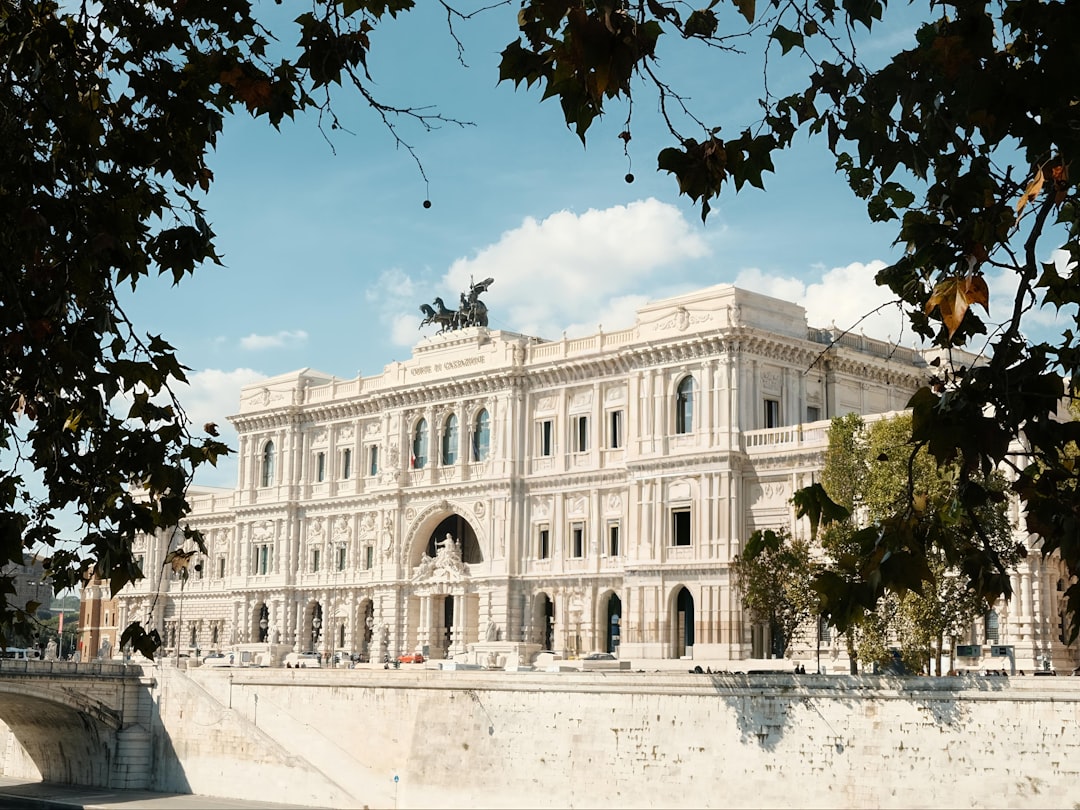
The best time to visit Rome largely depends on your preferences for weather, crowd levels, and pricing.
Spring (March to May): Spring is arguably the most beautiful time to visit Rome. The weather is pleasantly warm, with temperatures ranging from the mid-50s to low 70s°F (about 12-23°C). Crowds are manageable, especially in March and early April, making it a great time for sightseeing. Prices for flights and accommodations are generally lower compared to the summer months.
Summer (June to August): Summer brings hot weather, with temperatures often soaring above 85°F (30°C). The city is bustling with tourists, especially in July and August, which can make popular attractions crowded. Prices for accommodations peak during this season, so it’s wise to book in advance if you plan to visit during these months.
Fall (September to November): Fall is another fantastic time to visit Rome. September offers warm weather, while October and November see cooler temperatures, usually ranging from the mid-50s to mid-70s°F (12-24°C). The crowds begin to thin after September, and you can often find better deals on hotels and flights.
Winter (December to February): Winter in Rome is mild compared to many other European cities, with temperatures typically between the mid-40s and low 60s°F (7-16°C). While it’s the off-peak season, meaning fewer tourists and lower prices, some attractions may have reduced hours. The holiday season also brings a unique charm to the city, especially around Christmas.
Where to Stay in Rome#
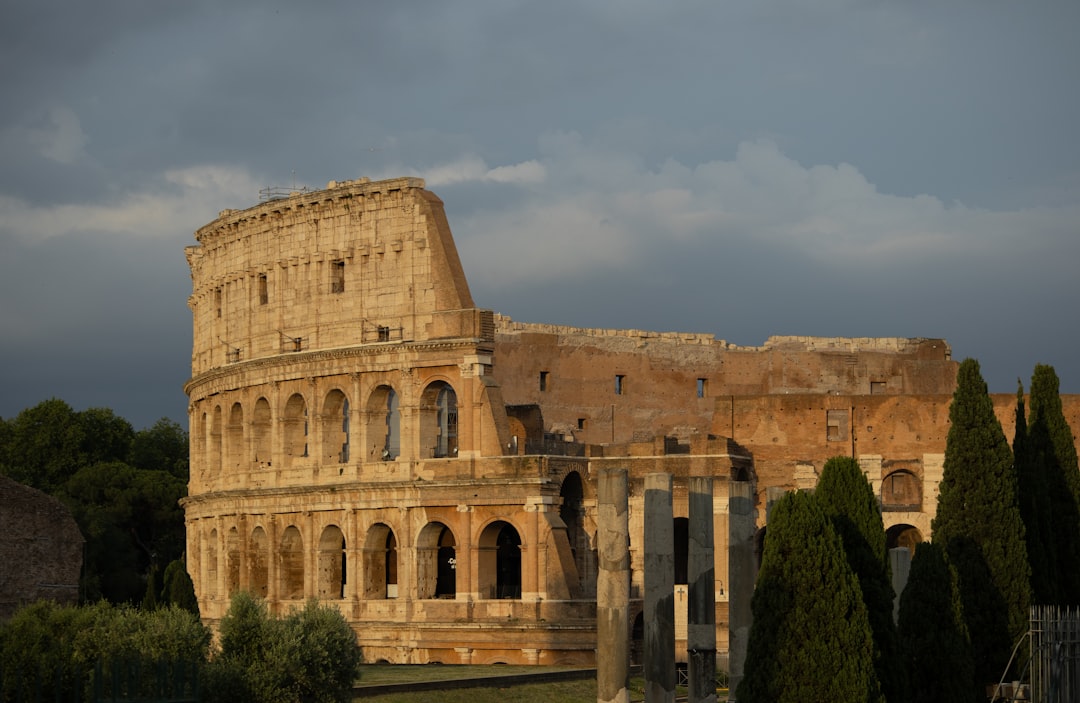
Choosing the right neighborhood can enhance your Roman experience. Here are some recommendations across different budget tiers:
Budget: For budget travelers, the areas around Termini Station and Trastevere offer affordable accommodations. These neighborhoods give you easy access to public transport and are close to various attractions. Expect budget hotels to start around $30-50/night, with hostels offering even cheaper options.
Mid-Range: Testaccio and Monti are great choices for mid-range travelers. Testaccio is known for its authentic Roman atmosphere, local markets, and eateries, while Monti is a trendy area filled with boutiques and art galleries. Prices for mid-range hotels generally range from $100-200/night.
Luxury: If you’re looking for a luxurious stay, consider the neighborhoods of Centro Storico or Vatican City. These areas are home to some of Rome’s most opulent hotels and are within walking distance of major attractions. Luxury accommodations usually start at around $250/night and can go much higher, depending on the level of service and amenities.
Top Things to Do in Rome#
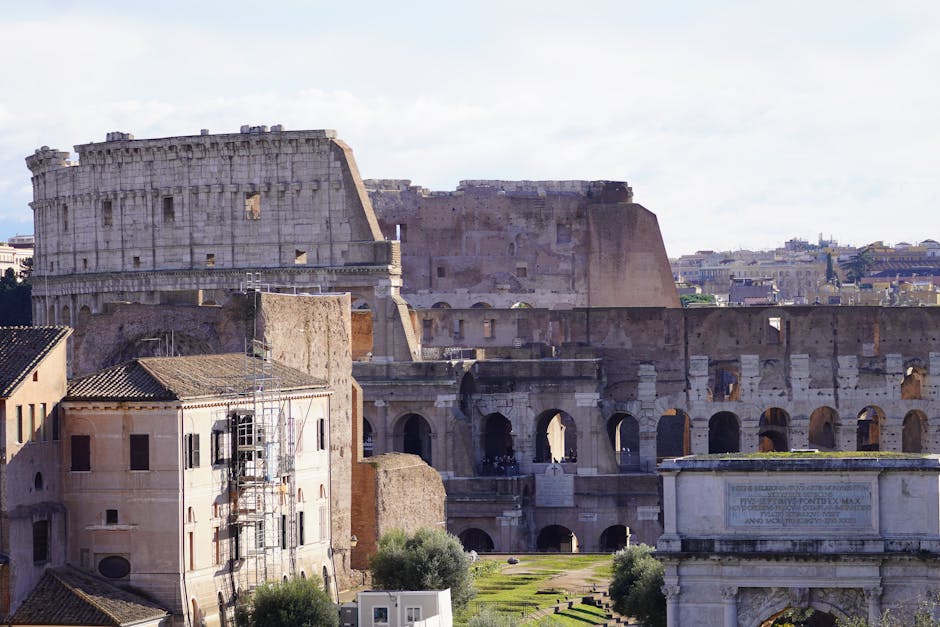
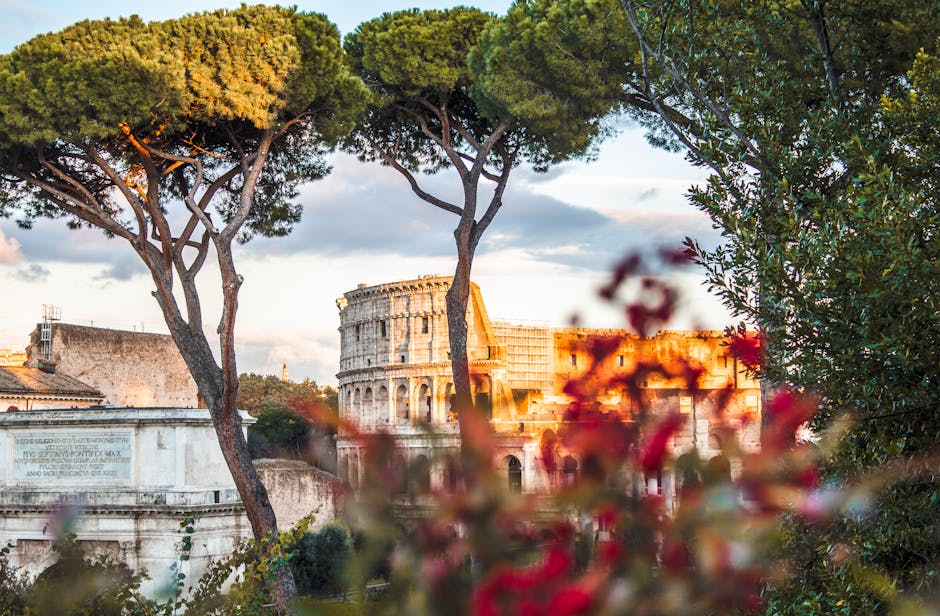
The Colosseum: This iconic amphitheater is a must-see. Explore its ancient corridors and imagine the gladiatorial battles that once took place here.
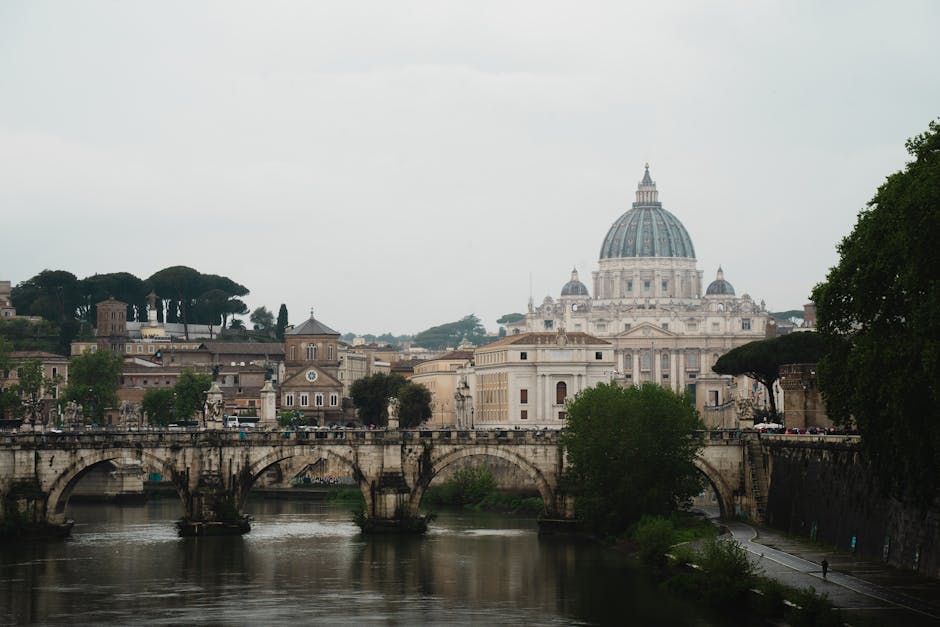
Vatican City: A visit to the Vatican is essential. Marvel at the stunning architecture of St. Peter’s Basilica and the breathtaking art inside the Sistine Chapel.
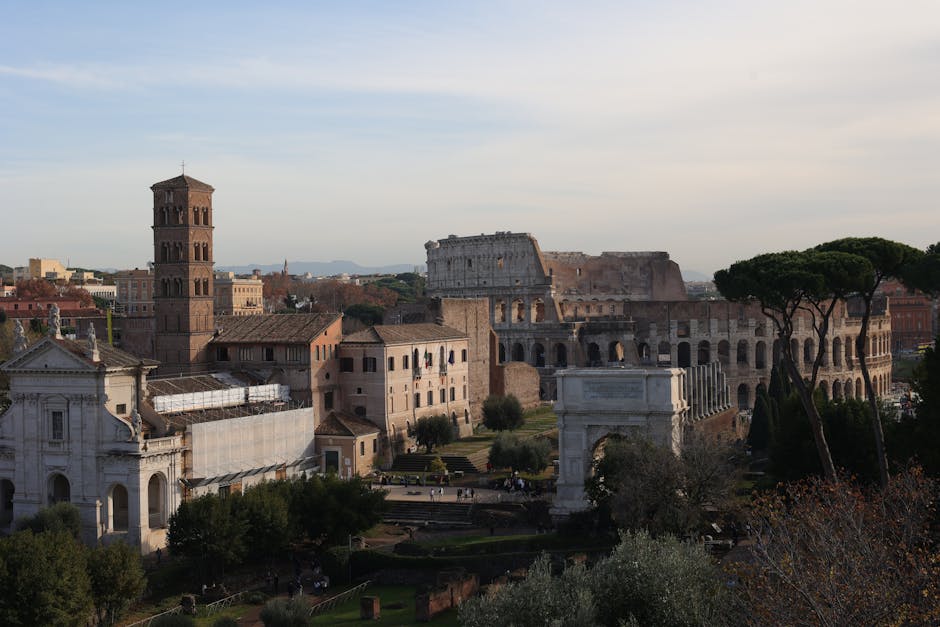
The Roman Forum: Walk through the ruins of what was once the heart of ancient Rome. The Forum offers a fascinating glimpse into Roman public life.
Piazza Navona: This lively square is known for its beautiful fountains and vibrant street performances. It’s a perfect spot to relax and soak in the atmosphere.
The Pantheon: This architectural marvel, with its massive dome and oculus, is one of the best-preserved monuments from ancient Rome.
Trastevere: Wander through this charming neighborhood known for its narrow streets and vibrant nightlife. It’s a great place to experience local life and culture.
The Borghese Gallery: Art lovers shouldn’t miss this gallery, which houses works by Caravaggio, Bernini, and Raphael in a stunning villa surrounded by gardens.
Spanish Steps: Climb the 135 steps leading to the Trinità dei Monti church, and enjoy the view of the bustling Piazza di Spagna below.
Campo de’ Fiori: This lively market is perfect for a morning stroll. Here, you can find fresh produce, flowers, and local delicacies.
Catacombs of Rome: For something off the beaten path, visit the ancient catacombs. These underground burial sites offer a unique perspective on early Christian history.
Food and Dining Guide#
Roman cuisine is a delightful mix of simplicity and flavor, with dishes that reflect the city’s rich history. Here are some local highlights and must-try dishes:
Cacio e Pepe: A classic Roman pasta dish made with just three ingredients: pasta, pecorino cheese, and black pepper. Simple yet incredibly satisfying.
Carbonara: Another beloved pasta dish, made with eggs, cheese, pancetta, and pepper. Each restaurant has its own twist, so try a few to find your favorite.
Supplì: These delicious rice balls, typically filled with mozzarella and deep-fried, are the perfect street food snack.
Porchetta: A savory, succulent roasted pork dish that’s often served in sandwiches. It’s a staple at local markets and street vendors.
Gelato: No trip to Rome is complete without indulging in gelato. Look for artisanal shops that use fresh, local ingredients for the best experience.
When dining, you can choose between casual trattorias for a laid-back meal or more upscale restaurants for a fine dining experience. Don’t hesitate to venture off the main tourist paths to discover hidden gems frequented by locals.
Getting Around Rome#
Navigating Rome can be an adventure in itself. The city offers several options for getting around:
Public Transit: Rome has an extensive public transit system, including buses and a metro line. A single ticket is valid for 100 minutes and can be used on both buses and the metro. Consider purchasing a multi-day pass if you plan to explore extensively.
Walking: Many of Rome’s attractions are within walking distance of each other, especially in the historic center. Strolling through the city allows you to soak in the sights at your own pace.
Taxis: Taxis are available throughout the city but can be more expensive than other forms of transport. Be sure to use official taxi stands or book through a reputable app.
Rental Cars: Renting a car is generally not recommended for navigating Rome’s busy streets. Parking can be challenging, and many areas are pedestrian-only. However, if you plan to explore the surrounding countryside, a rental car may be useful.
Budget Breakdown#
Planning your budget for a trip to Rome can help you manage your expenses effectively. Here’s a rough breakdown for different traveler types:
Budget Travelers: Expect to spend around $70-100 per day. This includes budget accommodations ($30-50), meals at local eateries ($15-30), public transport ($10), and entrance fees to attractions ($15-25).
Mid-Range Travelers: A daily budget of $150-250 is reasonable. This includes mid-range accommodations ($100-200), dining at restaurants ($30-60), public transport ($10), and activities or tours ($20-40).
Luxury Travelers: For a more lavish experience, budget at least $300-500 per day. This accounts for upscale accommodations ($250+), fine dining ($60+), private transport or taxis ($20+), and exclusive tours or experiences ($50-100).
Travel Tips for Rome#
Stay Hydrated: Rome can get hot, especially in the summer. Carry a reusable water bottle and refill it at the numerous public fountains throughout the city.
Learn Basic Italian: While many people speak English, knowing a few basic phrases in Italian can enhance your experience and help you connect with locals.
Tipping: Tipping is appreciated but not mandatory. Leaving a small amount or rounding up the bill is common practice in restaurants.
SIM Cards: If you need mobile data, consider purchasing a local SIM card upon arrival. This will help you navigate the city and stay connected.
Beware of Scams: Be cautious of street performers and people asking for money, especially near major tourist attractions. Stick to reputable vendors.
Dress Appropriately for Churches: When visiting religious sites, dress modestly. This typically means covering shoulders and knees.
Pack Comfortable Shoes: You’ll be doing a lot of walking, so bring comfortable shoes to explore the cobblestone streets of Rome.
Rome is a city that captivates the heart and soul of its visitors. By planning ahead and knowing what to expect, you can make the most of your Italian adventure. If you’re also considering a trip to Bruges, Belgium or Copenhagen, Denmark , check out our guides for more travel inspiration!