📌 Disclaimer
Prices, schedules, tour details, flight routes, visa requirements, and all other information on this page are based on data at the time of writing. Fares, availability, and policies may change. Please verify current details on the official website before booking.
Photo by Theodore Nguyen on Pexels
Why Visit Seoul ?#
Seoul, the vibrant capital of South Korea , is a city that effortlessly blends the old with the new. From ancient palaces and historic temples to bustling markets and futuristic skyscrapers, the city offers a unique cultural tapestry that captivates travelers. One of the most exhilarating aspects of visiting Seoul is its dynamic energy, where you can immerse yourself in K-pop culture, indulge in mouthwatering street food, and explore serene parks—all within a few city blocks.
Another reason to visit Seoul is its accessibility and affordability for travelers. With a well-connected public transportation system and a variety of budget-friendly options for food and accommodation, exploring the city without breaking the bank is entirely possible. Whether you’re a history buff, a foodie, or a shopaholic, Seoul promises an unforgettable experience that caters to every type of traveler.
Best Time to Visit Seoul#
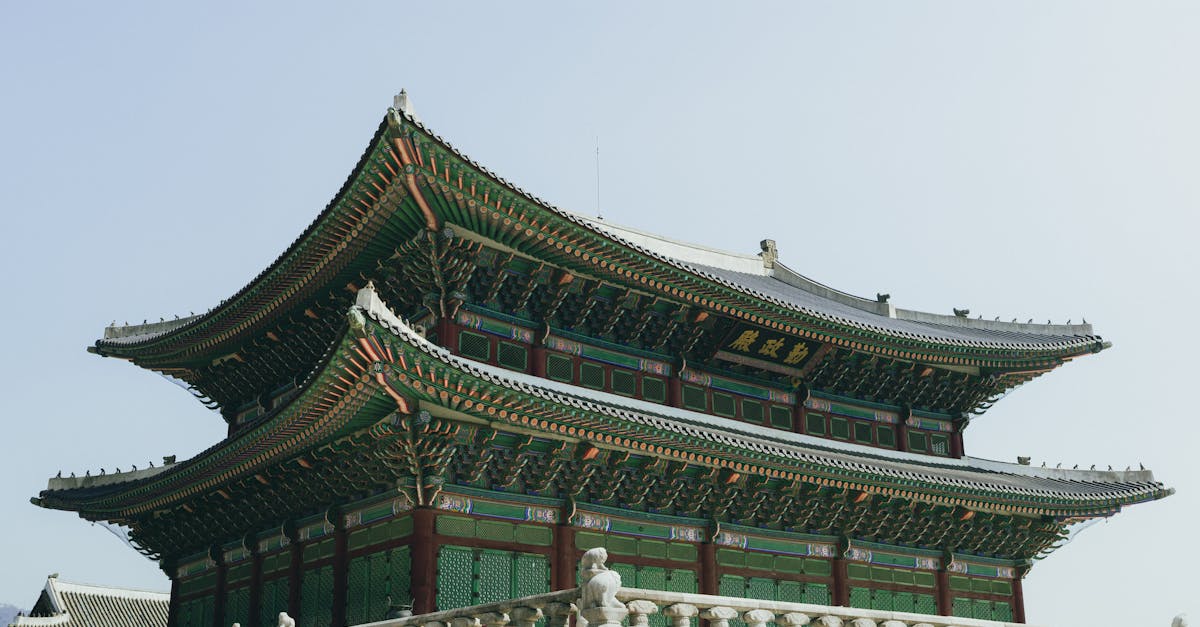
Seoul experiences four distinct seasons, each offering a unique charm.
Spring (March to May): This is one of the most popular times to visit. Cherry blossoms bloom in April, painting the city in shades of pink and white. The weather is mild, with temperatures ranging from the mid-40s to mid-70s °F. Expect moderate crowds, especially during the cherry blossom festival.
Summer (June to August): Summers in Seoul can be hot and humid, with temperatures often exceeding 85°F. This season sees fewer tourists, making it a great time for budget travelers to find deals on flights and accommodations. However, be prepared for occasional rain and the possibility of typhoons.
Fall (September to November): Like spring, fall is another peak season for visitors. The foliage transforms the city into a canvas of red, orange, and yellow. Temperatures are comfortable, ranging from the mid-50s to mid-70s °F. This is a great time for outdoor activities and sightseeing.
Winter (December to February): Winters can be quite cold, with temperatures often dipping below freezing. However, if you enjoy winter sports or holiday festivities, this can be a magical time to visit. Crowds are at their lowest, and budget travelers can find excellent deals.
Where to Stay in Seoul#
Finding the right neighborhood is crucial for a budget-friendly stay in Seoul. Here are some recommendations across different price ranges:
Budget: Hongdae is a youthful area known for its vibrant nightlife and arts scene. Hostels and guesthouses are plentiful and affordable, making it a popular choice for backpackers and budget travelers.
Mid-Range: Insadong offers a more traditional experience, with quaint tea houses and art galleries. Here, you can find comfortable guesthouses and boutique hotels that provide a cozy atmosphere without breaking the bank.
Luxury: Gangnam is the epitome of modern Seoul, filled with high-end shopping and dining options. While luxury hotels can be pricey, you can also find deals during off-peak seasons that make splurging a bit easier.
Local Experience: Itaewon is known for its diverse community and international cuisine. This area is a great choice for those looking to experience Seoul’s cosmopolitan side without spending a fortune on accommodation.
Top Things to Do in Seoul#
Gyeongbokgung Palace: A visit to Seoul wouldn’t be complete without exploring this iconic palace, the largest of the Five Grand Palaces. Don’t miss the changing of the guard ceremony!
Bukchon Hanok Village: Wander through this picturesque neighborhood filled with traditional Korean houses called hanoks. It’s a great place for photography and to soak in Korean heritage.
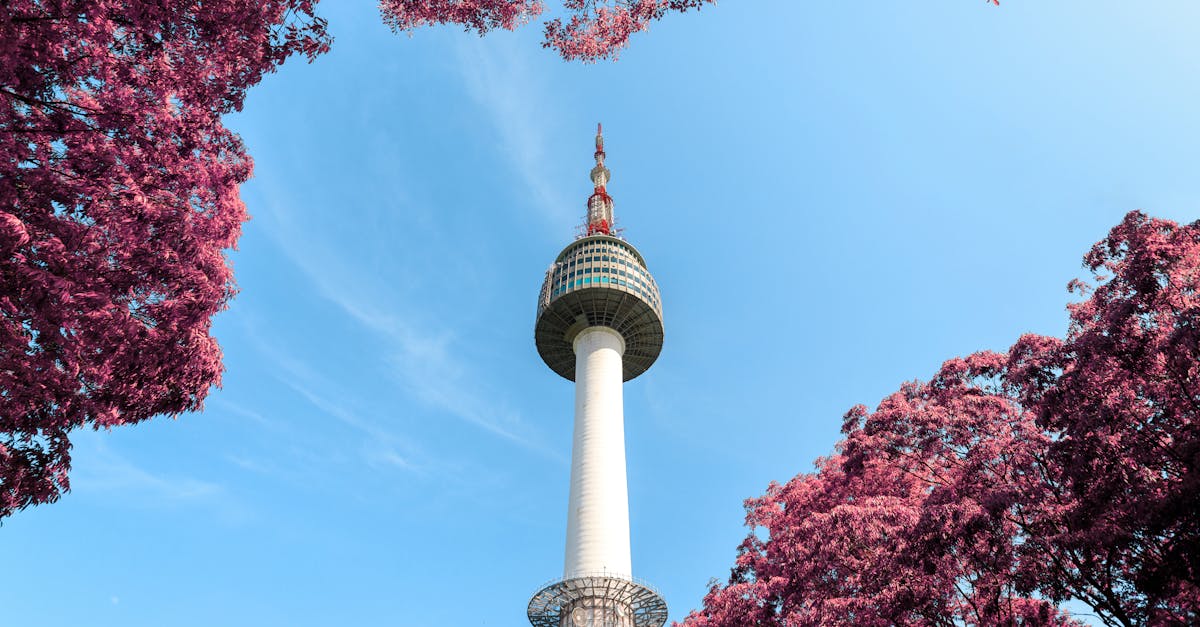
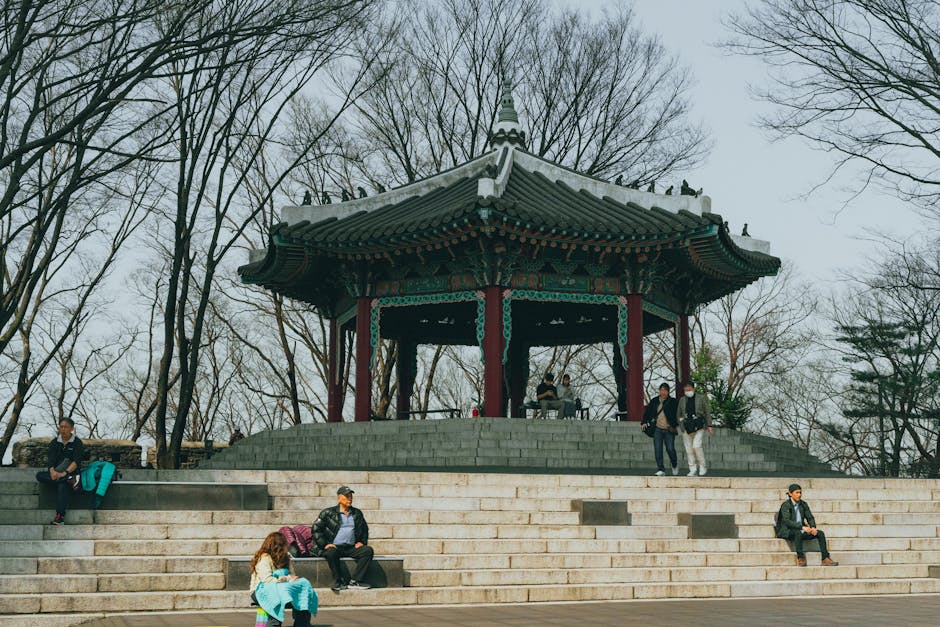
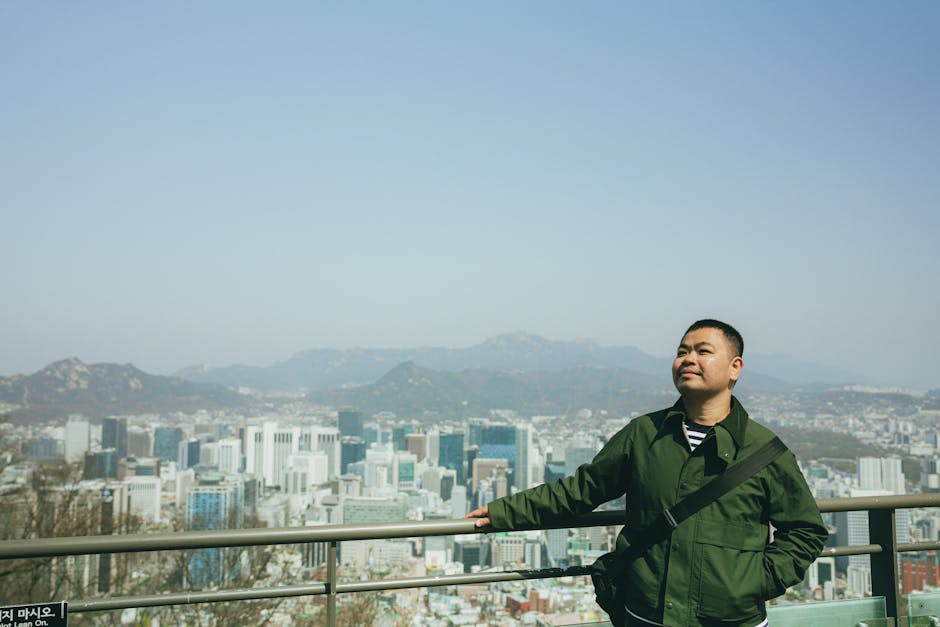
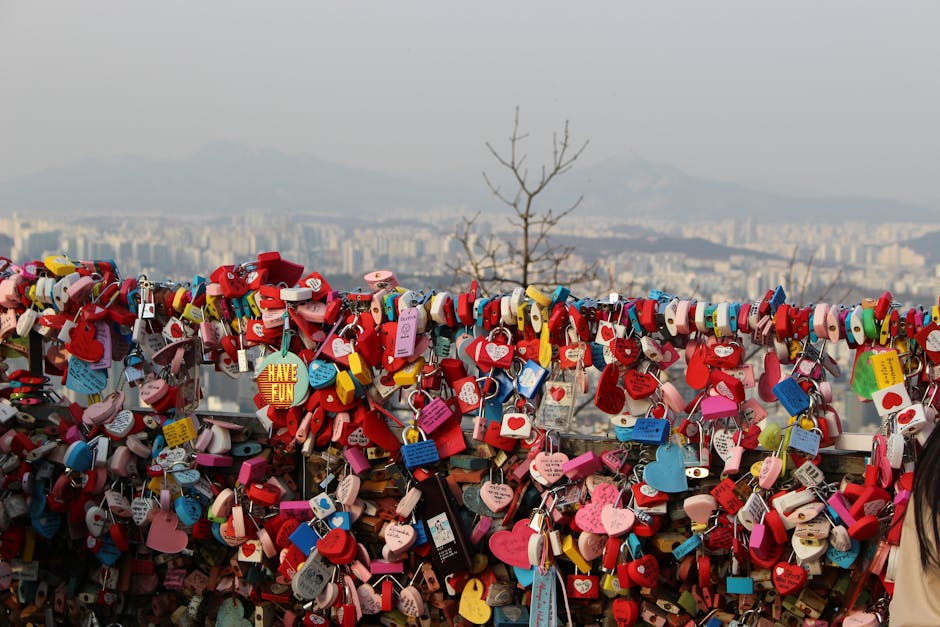
N Seoul Tower: For stunning panoramic views of the city, take a trip to this landmark tower. You can hike up or take a cable car for a small fee.
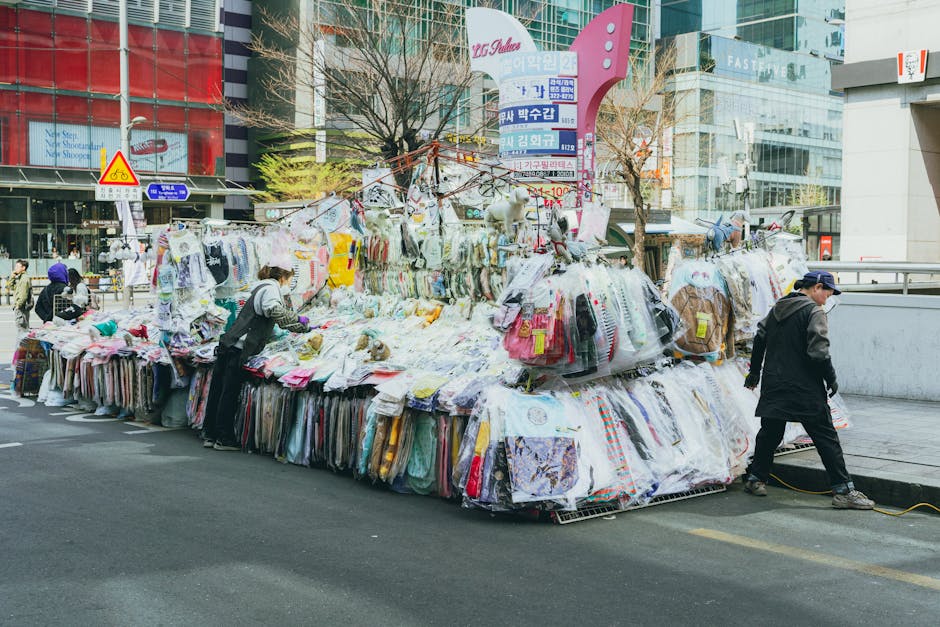
Myeongdong Shopping Street: A shopper’s paradise, this bustling street is filled with trendy shops, cosmetics stores, and plenty of street food vendors offering delicious bites.
Dongdaemun Design Plaza (DDP): Known for its futuristic architecture, DDP often hosts exhibitions and events. The surrounding market area is great for shopping and late-night eats.
Jogyesa Temple: Experience tranquility in the heart of the city at this beautiful Buddhist temple. It’s particularly stunning during the Lotus Lantern Festival in May.
Cheonggyecheon Stream: This urban oasis is perfect for a leisurely stroll. The stream runs through downtown Seoul and is beautifully illuminated at night.
Namdaemun Market: One of the oldest traditional markets in Korea, it offers everything from clothing to food. Don’t miss trying hotteok, a sweet Korean pancake.
Hangang Park: Rent a bike and explore the scenic riverside parks along the Han River. It’s a great spot for picnics and relaxing with locals.
Seoul Forest: This expansive park features walking paths, deer, and art installations, making it a serene escape from the city’s hustle and bustle.
Food and Dining Guide#
Korean cuisine is a highlight of any trip to Seoul, and trying local dishes is a must. Here are some essentials:
Kimchi: A staple in Korean meals, this fermented vegetable dish is a must-try. Look for different varieties, such as cabbage and radish kimchi.
Bibimbap: A colorful rice bowl topped with vegetables, egg, and your choice of protein. It’s both healthy and filling.
Tteokbokki: Spicy rice cakes served in a sweet and spicy sauce, often found at street food stalls. This dish is a favorite among locals.
Korean BBQ: Experience grilling your own meat at the table. While some BBQ restaurants can be pricey, you can find more affordable options that offer delicious marinated meats.
Street Food: Don’t miss the various street food options in areas like Myeongdong and Gwangjang Market. Try gimbap (Korean sushi rolls), hotteok, and bindaetteok (mung bean pancakes).
Getting Around Seoul#
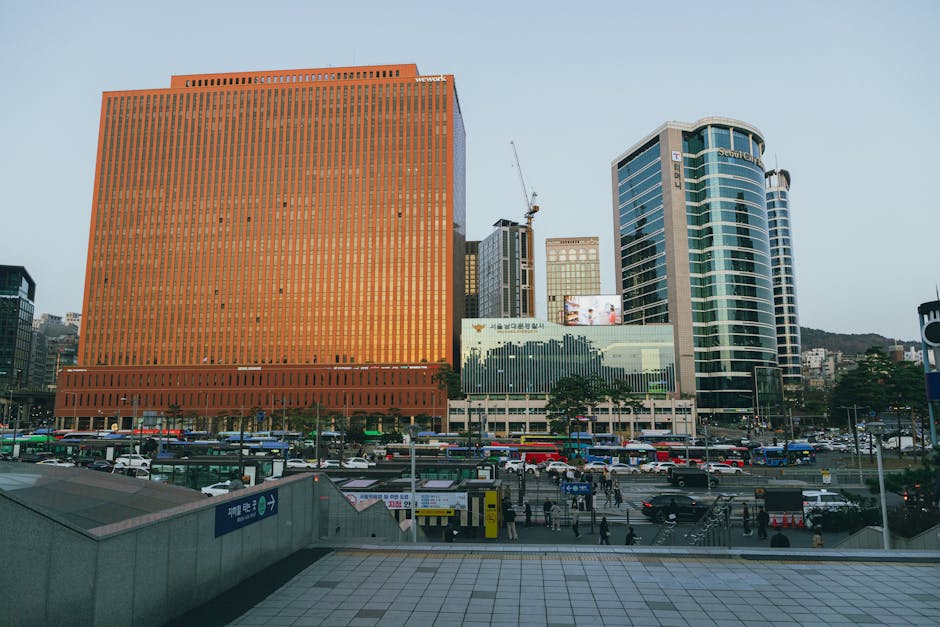
Navigating Seoul is convenient and budget-friendly, thanks to its extensive public transportation system:
Subway: The subway is efficient, clean, and covers most parts of the city. Purchase a T-money card for easy access to the subway and buses.
Buses: Buses complement the subway system and can take you to areas not directly accessible by train.
Taxis: While taxis are more expensive than public transit, they are still affordable compared to many Western countries. Use apps to book rides and ensure a smooth experience.
Walking: Many neighborhoods are pedestrian-friendly, and walking can be a great way to discover hidden gems.
Rental Cars: While renting a car is possible, it’s generally not recommended due to heavy traffic and limited parking options.
Budget Breakdown#
Understanding costs is key to planning your trip. Here’s a rough daily budget estimate:
Budget Travelers: Expect to spend around $50-70 per day. This includes staying in hostels, eating street food, and using public transportation.
Mid-Range Travelers: A budget of $100-150 per day will cover comfortable accommodations, dining at local restaurants, and a few paid attractions.
Luxury Travelers: If you prefer upscale experiences, budget around $250-400 per day. This includes luxury accommodations, fine dining, and private transportation.
Travel Tips for Seoul#
Safety: Seoul is one of the safest cities in the world for travelers. Petty crime is rare, but it’s always wise to stay aware of your surroundings.
Tipping: Tipping is not customary in Korea, and service charges are usually included in your bill. However, rounding up or leaving small change is appreciated in some situations.
Language: While many Koreans speak basic English, learning a few Korean phrases can go a long way. Simple greetings and expressions of gratitude will be appreciated.
SIM Cards: For easy internet access, consider purchasing a local SIM card upon arrival. This can help you navigate and stay connected.
Scams to Avoid: Be cautious of overly friendly strangers offering unsolicited help. While most locals are genuine, it’s always good to be aware.
Public Restrooms: Most public restrooms are clean and well-maintained, but carrying some tissue or hand sanitizer is a good idea, as toilet paper isn’t always provided.
Cultural Etiquette: Be mindful of local customs, such as bowing when greeting and removing shoes when entering someone’s home or certain establishments.
Seoul is a city that welcomes travelers with open arms, offering a rich cultural experience that can be enjoyed on any budget. Whether you’re wandering through ancient palaces or savoring delicious street food, you’re bound to create unforgettable memories without breaking the bank. If you’re also considering a trip to Kathmandu, Nepal or Ho Chi Minh City, Vietnam , check out our guides for more budget-friendly travel tips!