📌 Disclaimer
Prices, schedules, tour details, flight routes, visa requirements, and all other information on this page are based on data at the time of writing. Fares, availability, and policies may change. Please verify current details on the official website before booking.
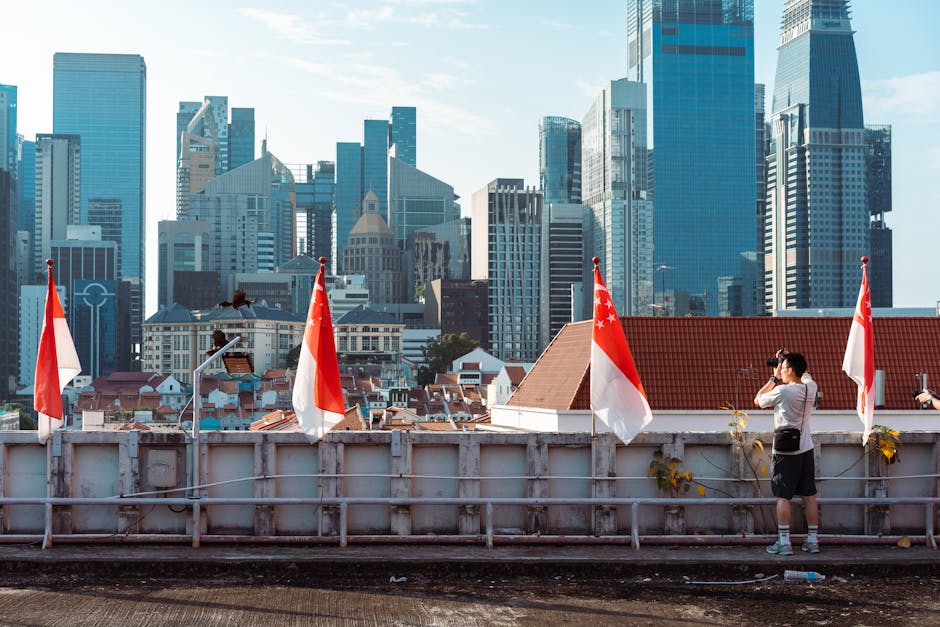
Photo by Gatsby Yang on Pexels
Why Visit Singapore ?#
Singapore is a dazzling city-state that perfectly blends tradition with modernity. Known for its stunning skyline, lush green spaces, and multicultural tapestry, this city offers something for every traveler. From the iconic Marina Bay Sands to the historic Chinatown, Singapore is a destination where you can explore a rich heritage while enjoying cutting-edge technology and design. The city is celebrated for its cleanliness, safety, and efficient public transport system, making it a convenient base for first-time visitors.
What truly sets Singapore apart is its diverse culinary scene, which reflects its multicultural population. You can indulge in a variety of flavors, from Malay and Chinese to India n and Peranakan, all within the same meal. The city is also home to beautiful parks and gardens, such as the famous Gardens by the Bay, where you can marvel at the Supertree Grove and the Cloud Forest Dome. Whether you’re a foodie, a culture enthusiast, or an adventure seeker, Singapore promises an unforgettable experience.
Best Time to Visit Singapore#
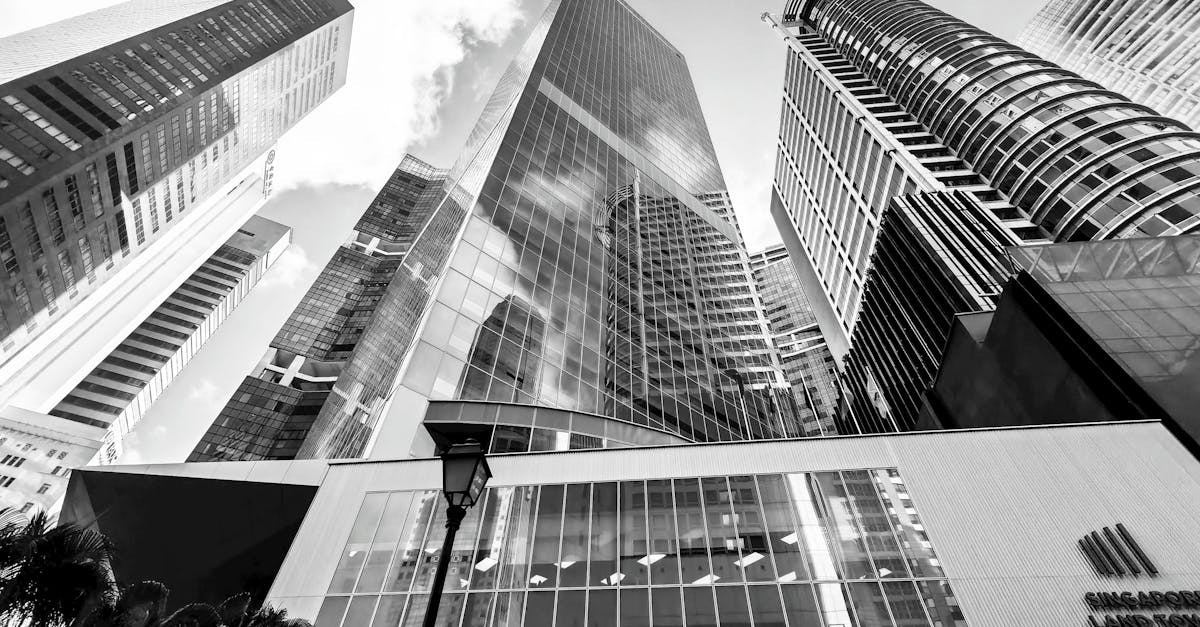
Singapore has a tropical climate, characterized by high humidity and temperatures that typically range between 75°F and 90°F throughout the year. The city experiences two main monsoon seasons: the Northeast Monsoon from December to March and the Southwest Monsoon from June to September.
December to March is considered the best time to visit, as the weather is slightly cooler and more comfortable, although occasional rain showers are still common. This period also coincides with the festive season, including Chinese New Year, which is a vibrant time to experience local culture and celebrations.
June to September sees higher humidity and temperatures, along with occasional rain, but this is also when Singapore hosts the Great Singapore Sale, making it an attractive time for shopping enthusiasts. Crowds can be larger during holidays and school vacation periods, so if you prefer a quieter experience, consider visiting during the shoulder months of April and October.
Where to Stay in Singapore#
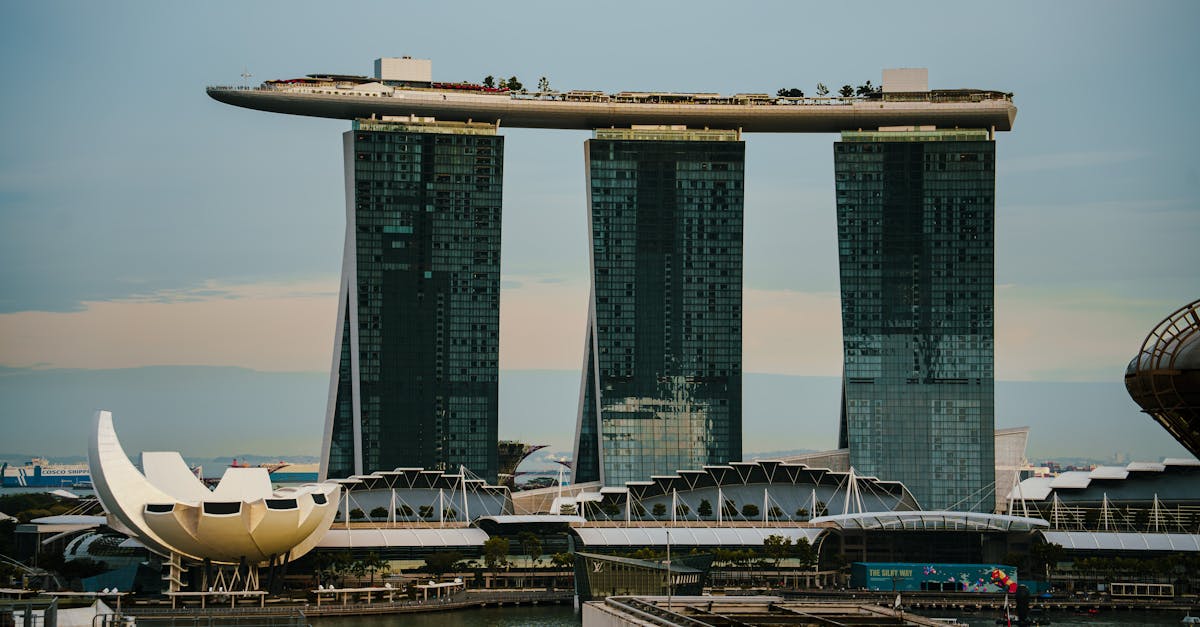
When it comes to accommodation, Singapore offers a variety of options across different neighborhoods, catering to all budgets.
Budget: For budget travelers, areas like Little India and Chinatown are excellent choices. These neighborhoods provide affordable hostels and guesthouses, along with a vibrant atmosphere where you can immerse yourself in local culture.
Mid-range: If you’re looking for a comfortable stay without breaking the bank, consider the Orchard Road area. This shopping district not only offers a range of mid-range hotels but also easy access to public transport and a plethora of dining options.
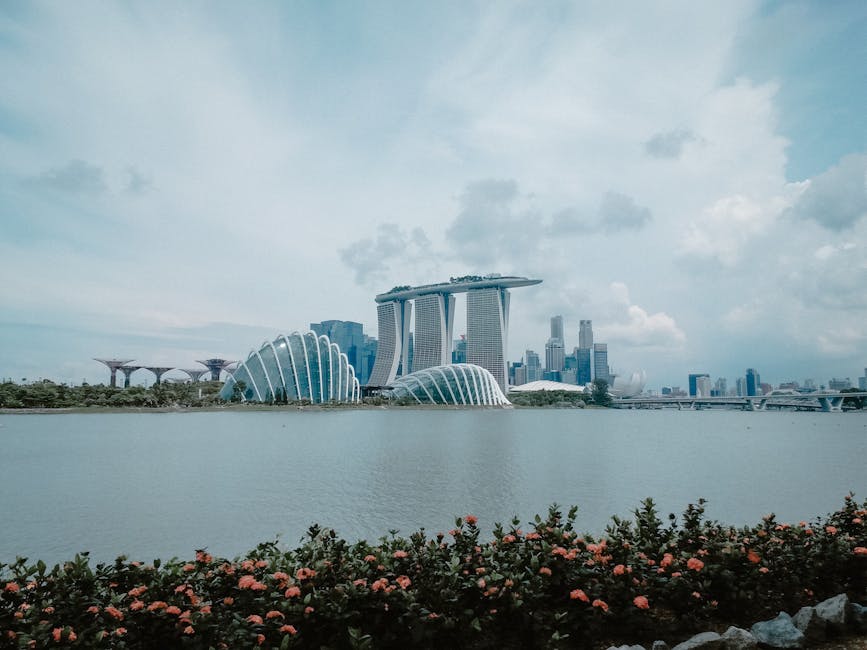
Luxury: For a taste of luxury, the Marina Bay area is the place to be. Here, you can find upscale hotels with stunning views of the skyline and the iconic Marina Bay Sands. This area is also close to some of the city’s top attractions, making it convenient for sightseeing.
Cultural Vibes: If you’re interested in experiencing Singapore’s rich heritage, consider staying in the Kampong Glam district. This area is known for its colorful streets and historic sites, including the Sultan Mosque, and offers boutique hotels that reflect the local culture.
Top Things to Do in Singapore#
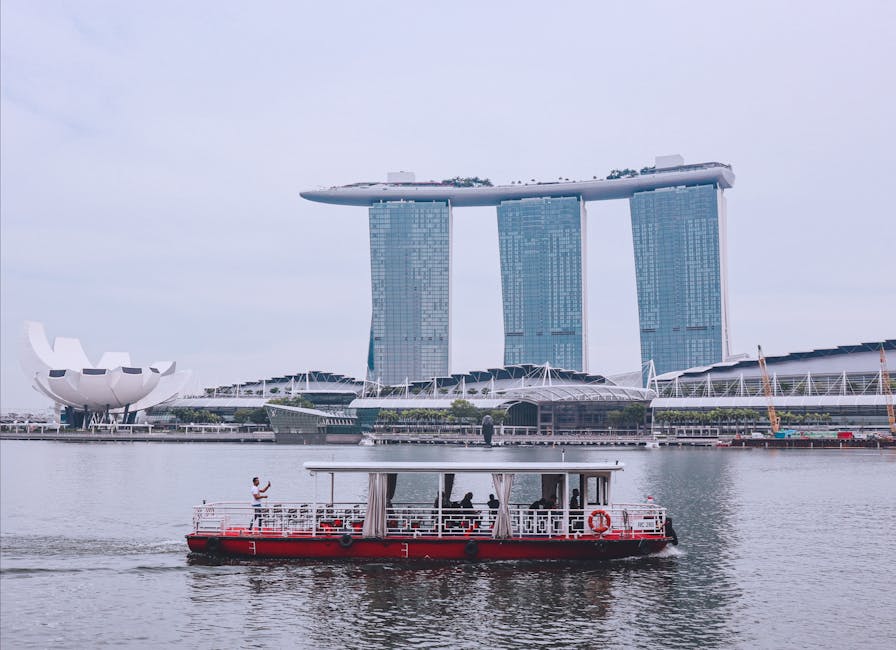
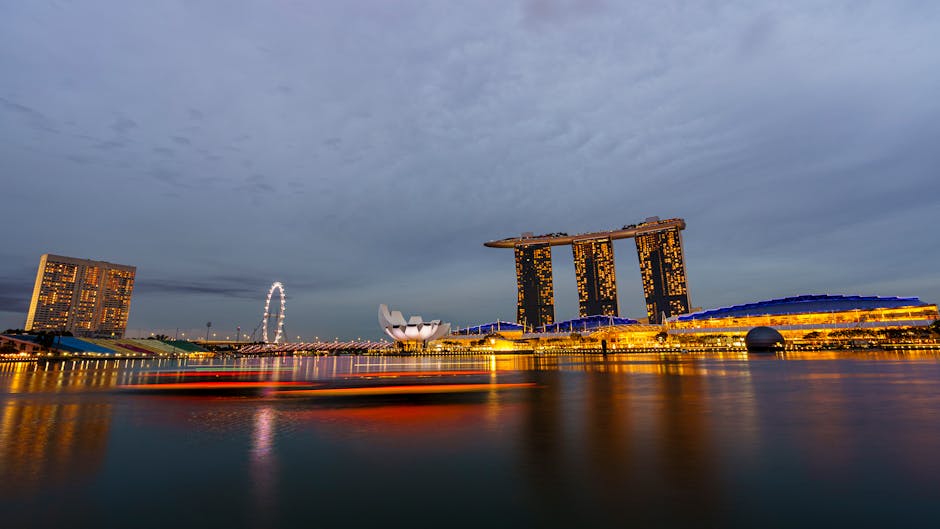
Marina Bay Sands: No trip to Singapore is complete without a visit to this iconic resort. Take a stroll along the SkyPark for breathtaking views of the city skyline or enjoy the nightly light and water show.
Gardens by the Bay: This futuristic garden features the stunning Supertree Grove and the Cloud Forest Dome. It’s a perfect spot for a leisurely walk and photo opportunities.
Chinatown: Explore the bustling streets of Chinatown, where you can visit the Buddha Tooth Relic Temple and sample delicious street food at the Chinatown Food Street.
Sentosa Island: For a day of fun and relaxation, head to Sentosa Island. Enjoy attractions like Universal Studios Singapore, beaches, and the S.E.A. Aquarium.
Little India: Experience the vibrant colors and aromas of Little India, where you can visit the Sri Veeramakaliamman Temple and shop for spices and textiles.
Orchard Road: Shop till you drop on Orchard Road, Singapore’s famous shopping street lined with malls, boutiques, and dining options.
Singapore Botanic Gardens: A UNESCO World Heritage site, these gardens are home to the National Orchid Garden and provide a peaceful escape from the city’s hustle and bustle.
Clarke Quay: This riverside quay is known for its lively nightlife, with a variety of restaurants, bars, and clubs. It’s a great place to relax after a day of sightseeing.
Kampong Glam: Explore the rich history and culture of the Malay community in Kampong Glam, where you can visit the Sultan Mosque and browse through trendy shops and cafes.
Haw Par Villa: This unique theme park features over 1,000 statues and dioramas depicting Chinese mythology and folklore. It’s an off-the-beaten-path gem that offers a fascinating glimpse into local culture.
Food and Dining Guide#
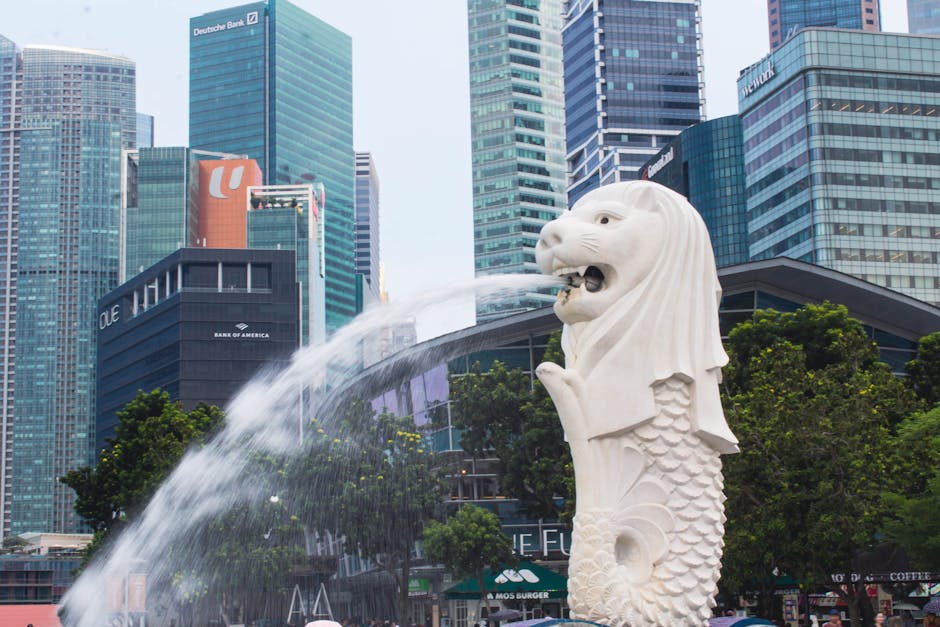
Singapore is a food lover’s paradise, boasting a diverse culinary landscape that reflects its multicultural society.
Must-try dishes:
- Hainanese Chicken Rice: Often considered Singapore’s national dish, this simple yet flavorful meal features poached chicken served with fragrant rice and chili sauce.
- Chili Crab: A must-try for seafood lovers, this dish features crabs cooked in a tangy, spicy tomato-based sauce.
- Laksa: A spicy noodle soup with a coconut milk base, laksa is a delicious fusion of Chinese and Malay flavors.
- Char Kway Teow: Stir-fried flat rice noodles with prawns, Chinese sausage, and bean sprouts, this dish is a popular street food favorite.
- Roti Prata: A flaky, crispy flatbread served with curry, roti prata is a delicious breakfast option that reflects Singapore’s Indian heritage.
You can find these dishes at hawker centers—open-air food courts that offer a variety of affordable local cuisine. Popular hawker centers include Lau Pa Sat and Maxwell Food Centre. While dining at street food stalls is a must for budget travelers, Singapore also has a vibrant restaurant scene, showcasing everything from fine dining to casual eateries.
Getting Around Singapore#
Navigating Singapore is a breeze, thanks to its efficient public transport system. The Mass Rapid Transit (MRT) is the most convenient way to get around, with extensive coverage across the city. Trains are frequent, clean, and affordable, making it easy to reach major attractions.
Buses are another great option, offering a comprehensive network that complements the MRT. A stored-value card, like the EZ-Link card, can be purchased for seamless travel on both trains and buses.
If you prefer a more personalized experience, taxis are readily available and relatively affordable compared to other cities. Ride-hailing services are also popular and can be easily accessed through mobile apps.
Walking is a great way to explore neighborhoods, especially areas like Chinatown, Little India, and Orchard Road, where attractions are often within walking distance. Car rentals are not common in Singapore due to the efficient public transport system, and parking can be expensive.
Budget Breakdown#
When planning your trip to Singapore, it’s essential to have a clear budget in mind. Here’s a rough daily budget estimate for different types of travelers:
Budget Travelers: Expect to spend around $50-80 per day. This includes accommodation in budget hostels ($30-50/night), meals at hawker centers ($5-10/meal), public transport ($5-10), and a few low-cost attractions or free activities.
Mid-range Travelers: A daily budget of $150-250 is reasonable. This covers accommodation in mid-range hotels ($80-150/night), meals at casual restaurants ($15-30/meal), transport costs ($10-20), and entrance fees for attractions ($10-30).
Luxury Travelers: If you’re looking for a more lavish experience, budget upwards of $300 per day. This includes high-end accommodations ($150-500/night), fine dining meals ($50+), private transport options, and premium attractions.
Planning ahead will help you make the most of your budget and ensure a memorable experience in this vibrant city.
Travel Tips for Singapore#
Safety First: Singapore is known for its low crime rate, making it one of the safest cities for travelers. However, it’s always wise to stay aware of your surroundings and secure your belongings.
Tipping: Tipping is not customary in Singapore, as service charges are often included in the bill. However, rounding up your bill is appreciated in casual dining settings.
Language: English is widely spoken, making communication easy for American travelers. However, learning a few basic phrases in Mandarin, Malay, or Tamil can enhance your experience.
SIM Cards: Consider purchasing a local SIM card upon arrival for affordable data and calls. Various kiosks at the airport and convenience stores offer options for tourists.
Scams to Avoid: While Singapore is generally safe, be cautious of unsolicited offers for tours or services, especially in tourist-heavy areas. Stick to reputable providers for any activities.
Dress Code: Singapore is hot and humid, so wear light, breathable clothing. However, when visiting religious sites, dress modestly and be respectful of local customs.
Public Behavior: Singapore has strict laws regarding littering and public behavior. Familiarize yourself with local regulations to avoid fines and ensure a respectful stay.
With these tips in mind, you’re now ready to embark on an unforgettable adventure in Singapore. If you’re also considering a trip to Ho Chi Minh City, Vietnam or Luang Prabang, Laos , check out our guides for more travel inspiration. Enjoy your journey!