📌 Disclaimer
Prices, schedules, tour details, flight routes, visa requirements, and all other information on this page are based on data at the time of writing. Fares, availability, and policies may change. Please verify current details on the official website before booking.
Photo by Moritz Feldmann on Pexels
Why Visit Sydney?#
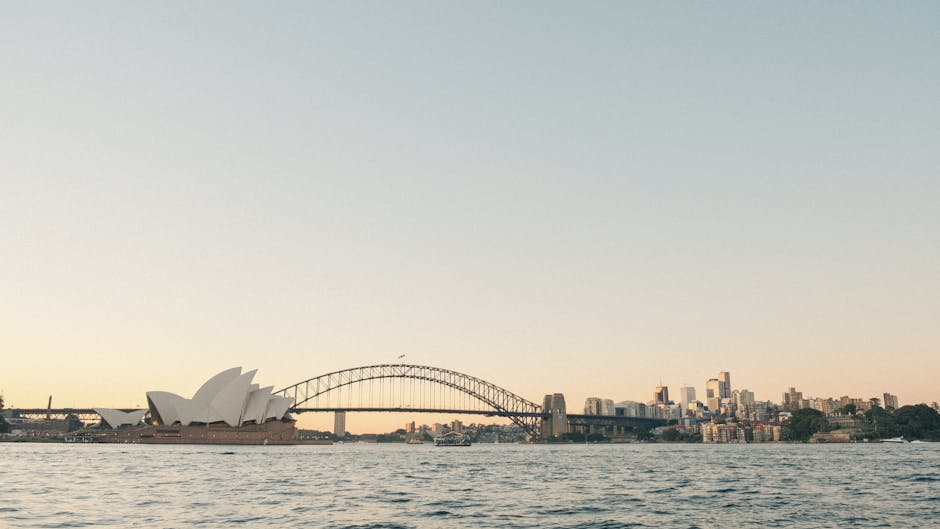
Sydney, Australia’s largest city, is a vibrant metropolis that effortlessly blends stunning natural beauty with a bustling urban environment. Famous for its iconic landmarks like the Sydney Opera House and the Sydney Harbour Bridge, the city offers visitors a unique mix of cultural experiences, outdoor adventures, and culinary delights. Whether you’re lounging on the golden sands of Bondi Beach or exploring the historic Rocks district, Sydney has something for everyone, making it a must-see destination for American travelers.
Beyond its famous attractions, Sydney is also a city of diverse neighborhoods, each with its own character and charm. From the artistic vibes of Newtown to the upscale boutiques of Paddington, you can experience a slice of local life in every corner. The city’s multicultural population brings a rich tapestry of traditions and flavors, so food lovers will find an array of culinary experiences that reflect Sydney’s diverse heritage.
Best Time to Visit Sydney#
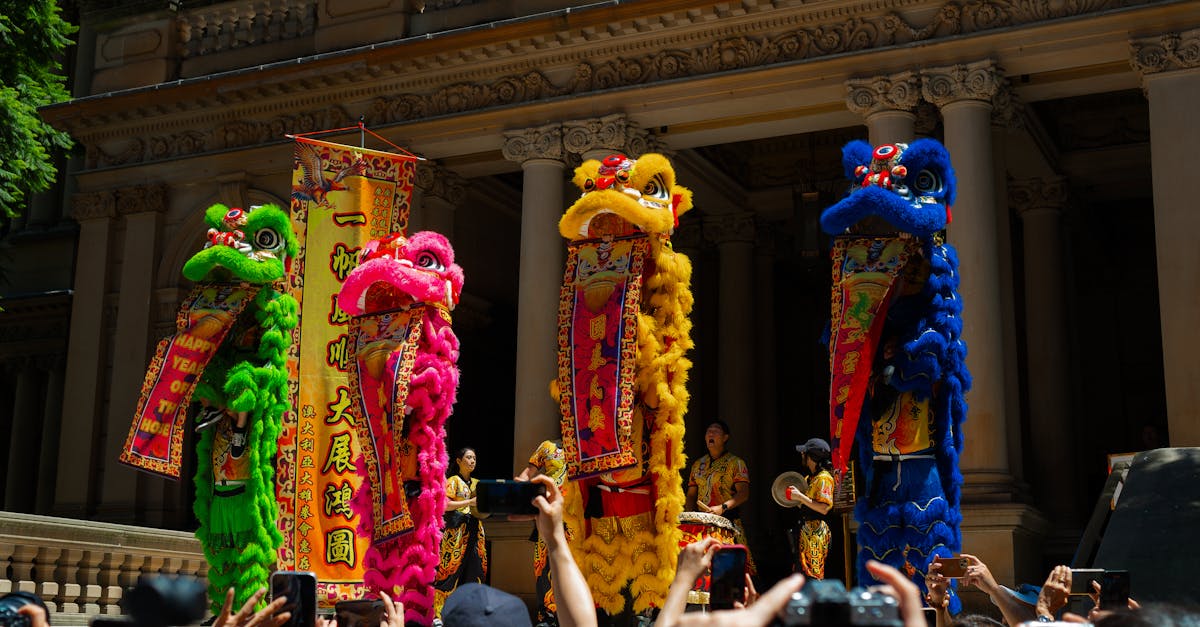
Sydney enjoys a temperate climate, with mild winters and warm summers, making it a year-round destination. The best time to visit largely depends on your preferences for weather, crowds, and pricing.
Summer (December to February): This is peak tourist season, with temperatures ranging from 70°F to 85°F. Expect large crowds at popular attractions and higher accommodation prices. If you love beach activities and outdoor festivals, this is the time for you.
Autumn (March to May): Autumn is considered one of the best times to visit Sydney. The weather is still warm, averaging between 60°F and 75°F, but the crowds start to thin out. This is also the time for various cultural festivals, including the Sydney Royal Easter Show.
Winter (June to August): Winter in Sydney is mild, with temperatures ranging from 50°F to 65°F. This is the low season for tourism, meaning lower prices on accommodations and fewer crowds. While it might be too chilly for beach activities, winter is a great time to explore the city’s indoor attractions and cozy cafes.
Spring (September to November): Spring brings blooming flowers and pleasant temperatures, generally between 55°F and 75°F. This is another excellent time to visit, as the city comes alive with events and outdoor activities. Prices start to rise as the summer approaches, but it’s still less crowded than the peak season.
Where to Stay in Sydney#
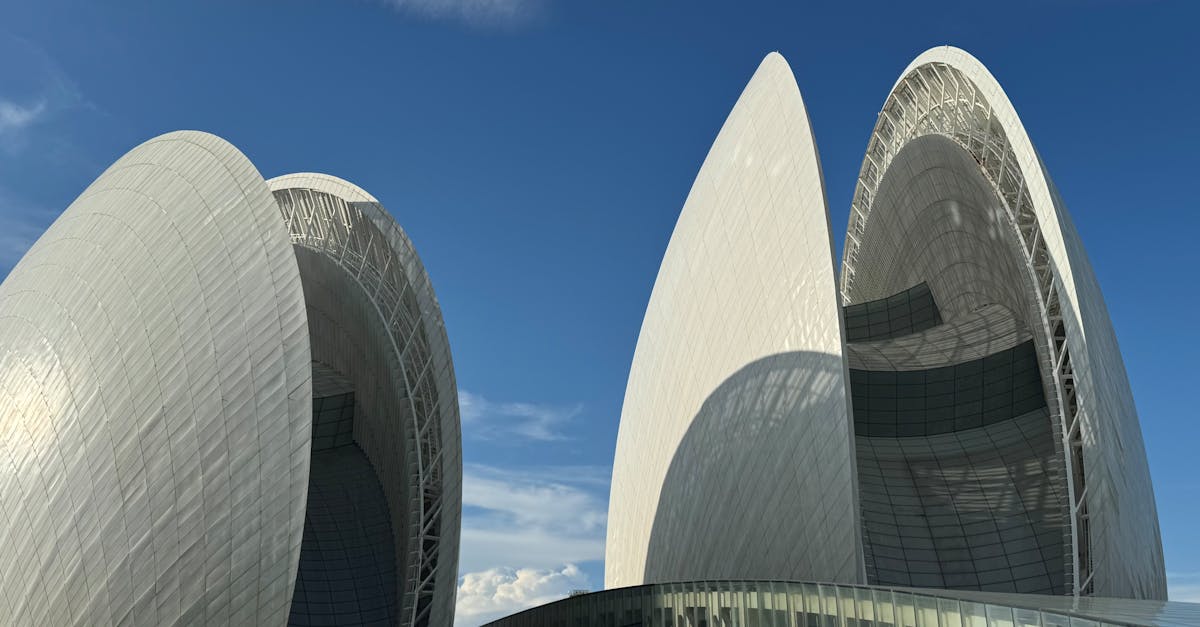
Finding the right neighborhood to stay in Sydney can enhance your travel experience. Here are some recommendations across different budget tiers:
Budget: For budget-conscious travelers, consider staying in areas like Kings Cross or Bondi. These neighborhoods offer a range of hostels and budget hotels, along with vibrant nightlife and easy access to public transport.
Mid-range: Surry Hills and Glebe are fantastic mid-range options. Both neighborhoods feature charming cafes and boutiques, and they are within walking distance or a short public transport ride from Sydney’s main attractions.
Luxury: If you’re looking for a more upscale experience, the Sydney CBD and Darling Harbour are excellent choices. These areas boast luxury hotels with stunning views of the harbor and easy access to high-end dining and shopping.
Local Vibes: For those wanting to experience local life, Newtown is a quirky neighborhood filled with street art, independent shops, and an eclectic food scene. Staying here will give you a taste of Sydney’s vibrant culture while still being close to the city center.
Top Things to Do in Sydney#
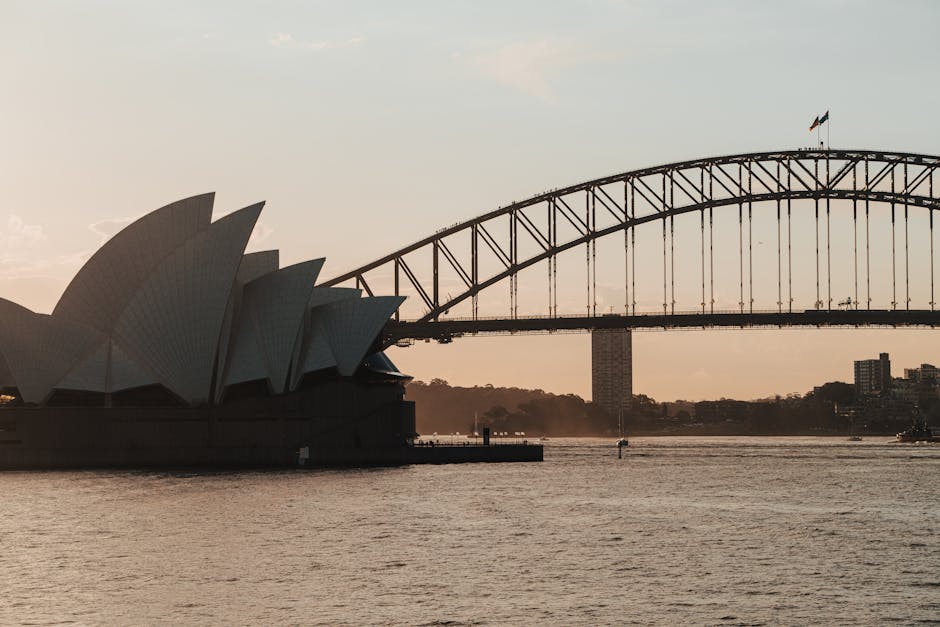
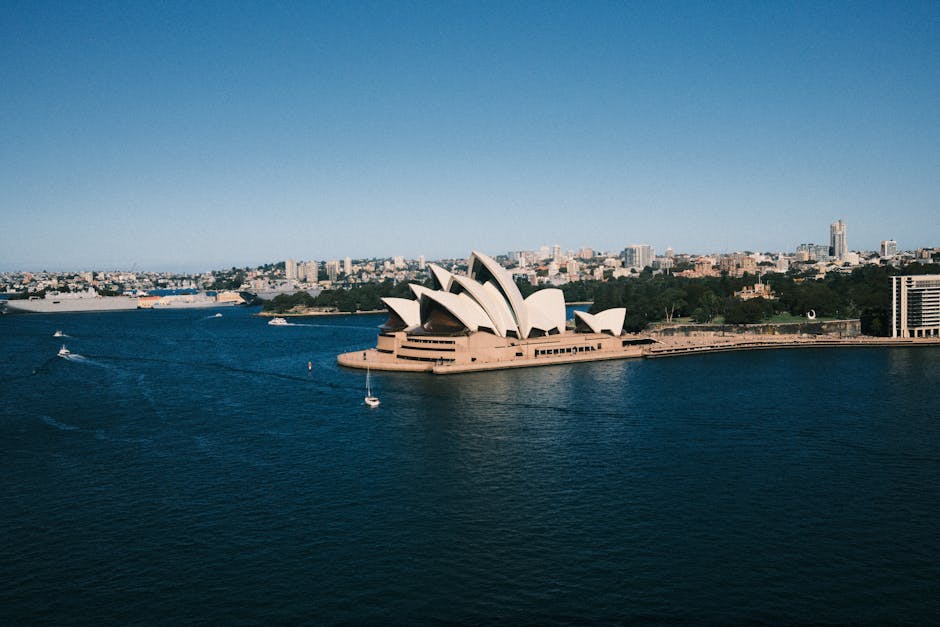
Sydney Opera House: No trip to Sydney is complete without a visit to this architectural marvel. You can take a guided tour or catch a performance, but be sure to snap a photo of this iconic structure.
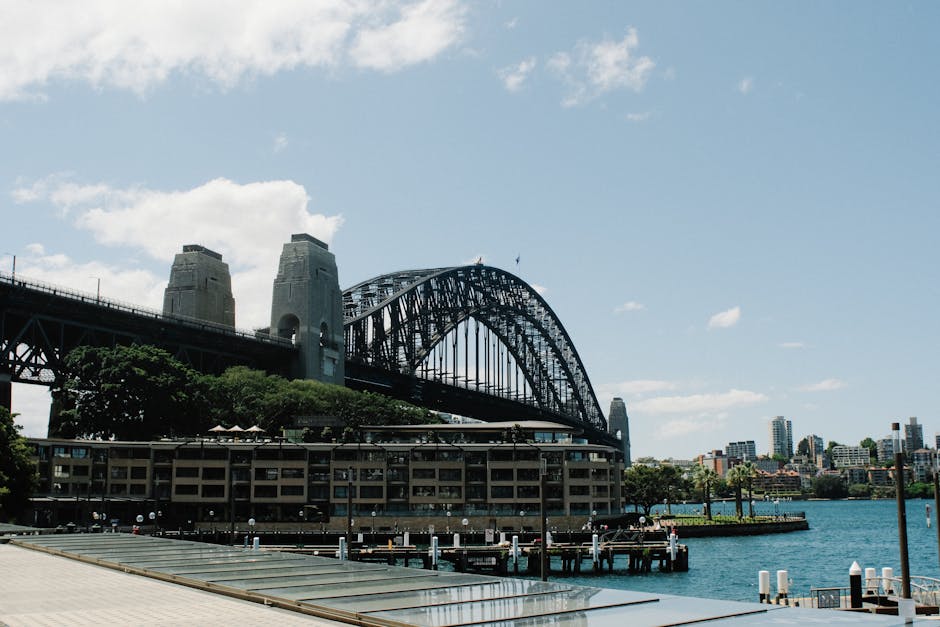
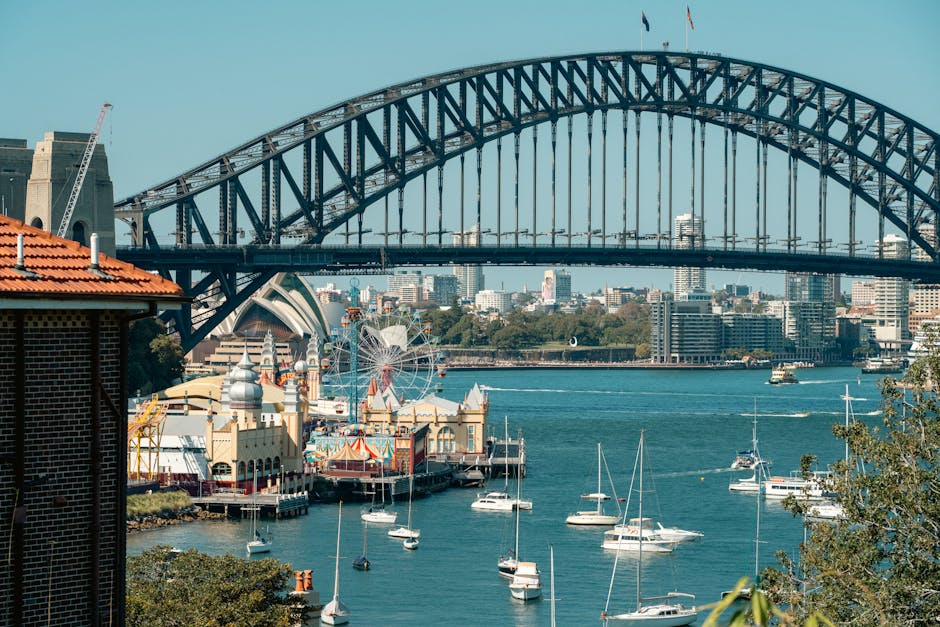
Sydney Harbour Bridge: Climb to the top of the bridge for unparalleled views of the city and harbor. If you’re feeling adventurous, the BridgeClimb is a must-do experience.
Bondi Beach: Famous for its golden sands and surf culture, Bondi Beach is perfect for sunbathing, swimming, or enjoying a coastal walk along the Bondi to Coogee path.
The Rocks: This historic district is filled with cobblestone streets, galleries, and boutiques. Explore the weekend markets for unique souvenirs and enjoy a meal at one of the many pubs.
Royal Botanic Garden: A peaceful oasis in the heart of the city, the gardens are ideal for a leisurely stroll or a picnic with stunning views of the Sydney Opera House and Harbour Bridge.
Taronga Zoo: Home to a diverse range of animals, this zoo offers a unique perspective on wildlife conservation. Take the ferry from Circular Quay for a scenic ride to the zoo.
Manly Beach: Just a ferry ride away from the city, Manly Beach is perfect for a day trip. Enjoy the beach, explore local shops, or rent a bike to ride along the scenic coastline.
Art Gallery of New South Wales: For art enthusiasts, this gallery houses an impressive collection of Australian and international art. Admission is free for the permanent exhibitions.
Darling Harbour: This bustling waterfront area is home to attractions like the SEA LIFE Sydney Aquarium and the Australian National Maritime Museum. It’s also packed with restaurants and shops, making it a great spot for an evening out.
Blue Mountains Day Trip: If you have time, consider taking a day trip to the Blue Mountains, located just a couple of hours from Sydney. Explore stunning landscapes, hiking trails, and the famous Three Sisters rock formation.
Food and Dining Guide#
Sydney’s culinary scene is as diverse as its population, making it a paradise for food lovers. Here are some local cuisine highlights you shouldn’t miss:
Meat Pies: A quintessential Australian snack, meat pies can be found at bakeries throughout the city. These savory pastries are filled with minced meat and gravy, often served with tomato sauce.
Fish and Chips: Enjoy fresh fish and chips at one of the many beachside eateries, especially around Bondi and Manly. It’s a classic Australian dish that’s perfect for a seaside meal.
Lamingtons: These delightful sponge cakes coated in chocolate and rolled in coconut are a beloved Australian treat. Grab one from a local cafe for a sweet afternoon snack.
Avocado Toast: Sydney is known for its brunch culture, and avocado toast has become a staple. You’ll find it on menus across the city, often topped with feta, poached eggs, or smoked salmon.
Asian Cuisine: With a significant Asian population, Sydney boasts a vibrant range of Asian cuisines. Explore the many eateries in Chinatown or head to Cabramatta for authentic Vietnamese dishes.
Street food is also popular in Sydney, with various food markets and festivals showcasing local vendors. Try the Sydney Night Noodle Markets if you’re in town during the winter months, where you can sample dishes from different Asian cuisines.
Getting Around Sydney#
Navigating Sydney is relatively straightforward, thanks to its efficient public transport system. Here are your options:
Public Transport: The Opal card is your key to the city’s public transport system, which includes trains, buses, and ferries. It’s an affordable way to get around, and you can easily top it up as needed.
Walking: Many of Sydney’s attractions are within walking distance of each other, especially in the CBD and surrounding neighborhoods. Walking allows you to take in the sights and discover hidden gems along the way.
Taxis and Rideshares: Taxis are available throughout the city, and rideshare services are also widely used. This can be a convenient option, especially if you’re traveling late at night or to areas not easily accessible by public transport.
Rental Cars: While renting a car can be a good option for day trips outside the city, parking can be expensive and hard to find in central Sydney. It’s generally better to rely on public transport for city exploration.
Budget Breakdown#
Understanding the costs associated with your trip can help you plan better. Here’s a rough daily budget estimate for different types of travelers:
Budget Travelers: Expect to spend around $60-100 per day. This includes staying in hostels, eating at budget cafes, using public transport, and enjoying free or low-cost attractions.
Mid-range Travelers: A daily budget of $150-300 is reasonable. This budget allows for staying in mid-range hotels, dining at casual restaurants, and participating in a few paid activities.
Luxury Travelers: For those seeking a lavish experience, a budget of $400+ per day is ideal. This includes staying in upscale hotels, fine dining, and indulging in premium experiences like guided tours.
Travel Tips for Sydney#
Safety: Sydney is generally safe, but it’s always smart to stay aware of your surroundings, especially in crowded areas. Avoid poorly lit streets at night and keep your belongings secure.
Tipping: Tipping is appreciated but not mandatory. If you receive good service, rounding up the bill or leaving a 10-15% tip is customary.
Language: English is the official language, but you’ll hear various dialects and slang. Don’t hesitate to ask locals for help or recommendations.
SIM Cards: Purchasing a local SIM card at the airport or in the city can help you stay connected. Many providers offer affordable prepaid plans.
Scams to Avoid: Be cautious of anyone asking for money or trying to sell you something aggressively, especially in tourist areas. Stick to recognized vendors and services.
Public Holidays: Keep in mind that some attractions may close on public holidays, so check ahead if your visit coincides with any major Australian holidays.
Cultural Respect: Sydney is home to a rich Indigenous culture. Be respectful of local customs and traditions, especially when visiting sites of cultural significance.
If you’re also considering a trip to Queenstown, New Zealand , check out our guide for more travel inspiration.
With this comprehensive guide, you’re now equipped to plan your perfect Sydney trip. Enjoy the stunning sights, delicious food, and welcoming atmosphere of this incredible city!