📌 Disclaimer
Prices, schedules, tour details, flight routes, visa requirements, and all other information on this page are based on data at the time of writing. Fares, availability, and policies may change. Please verify current details on the official website before booking.
Photo by Konstantin Artushkevich on Pexels
Why Visit Tokyo ?#
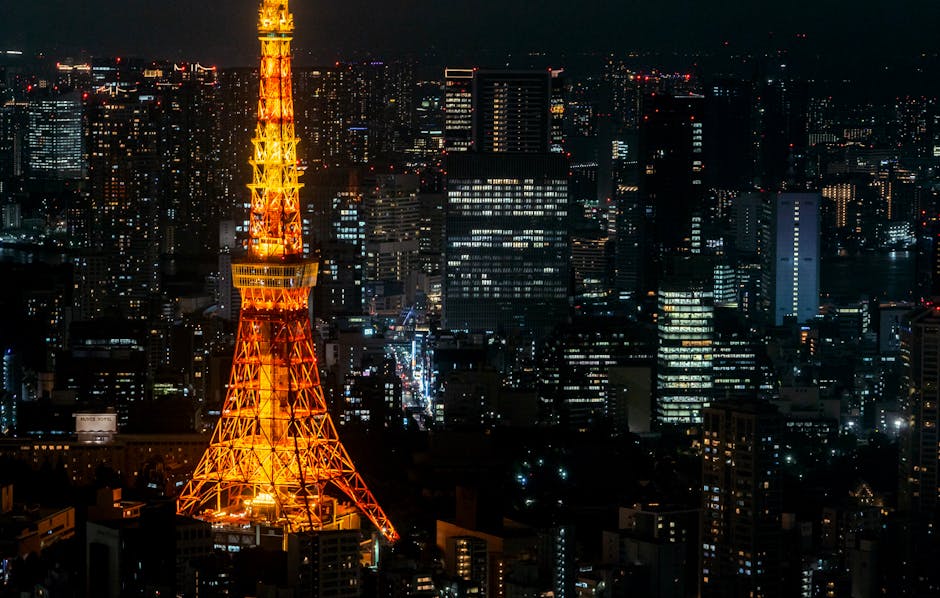
Tokyo is a vibrant metropolis that seamlessly blends the ultramodern with the traditional, making it a fascinating destination for any traveler. From its iconic skyline dominated by the Tokyo Tower and the Tokyo Skytree to serene temples and historic shrines tucked away in tranquil gardens, the city offers a diverse array of experiences. Each neighborhood has its own unique character, from the bustling streets of Shibuya to the artistic vibe of Harajuku, ensuring that every visitor can find something that resonates with them.
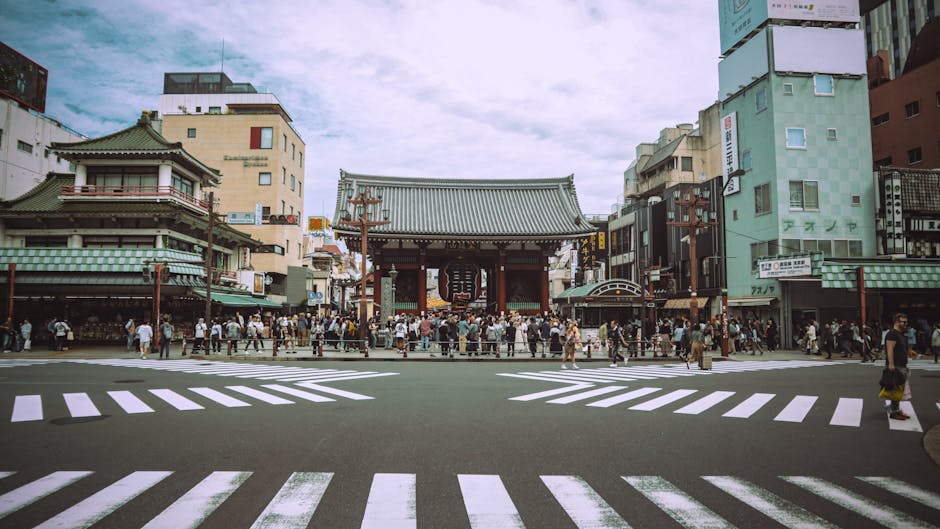
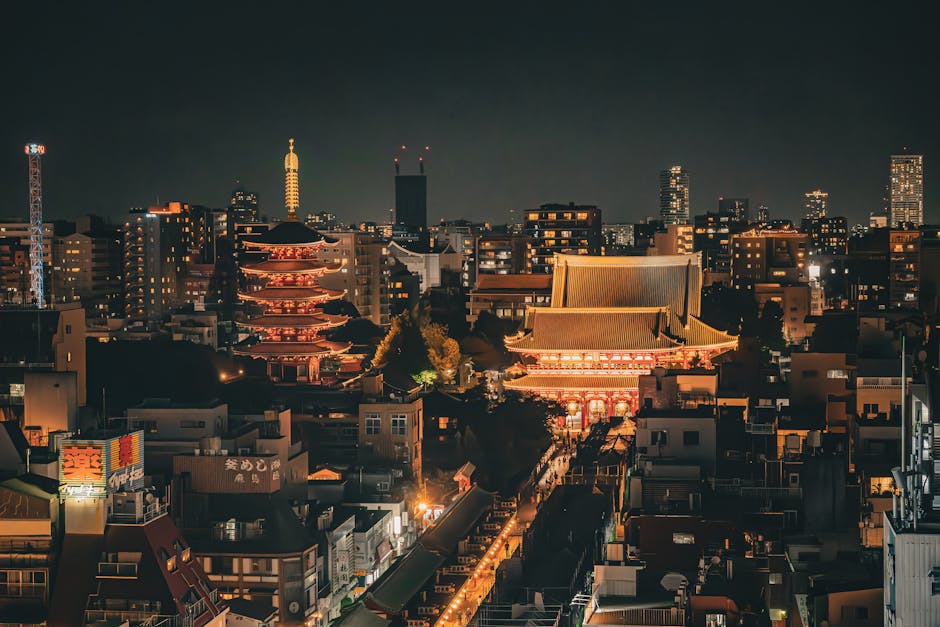
One of the most compelling aspects of Tokyo is its deep-rooted culture and history. The city is home to over 1,000 years of history, with ancient temples like Senso-ji in Asakusa standing in stark contrast to the neon-lit streets of Akihabara. Furthermore, the culinary scene is nothing short of extraordinary, offering everything from Michelin-starred restaurants to charming street food stalls. Whether you’re a history buff, a foodie, or a tech enthusiast, Tokyo promises an unforgettable adventure.
Best Time to Visit Tokyo#
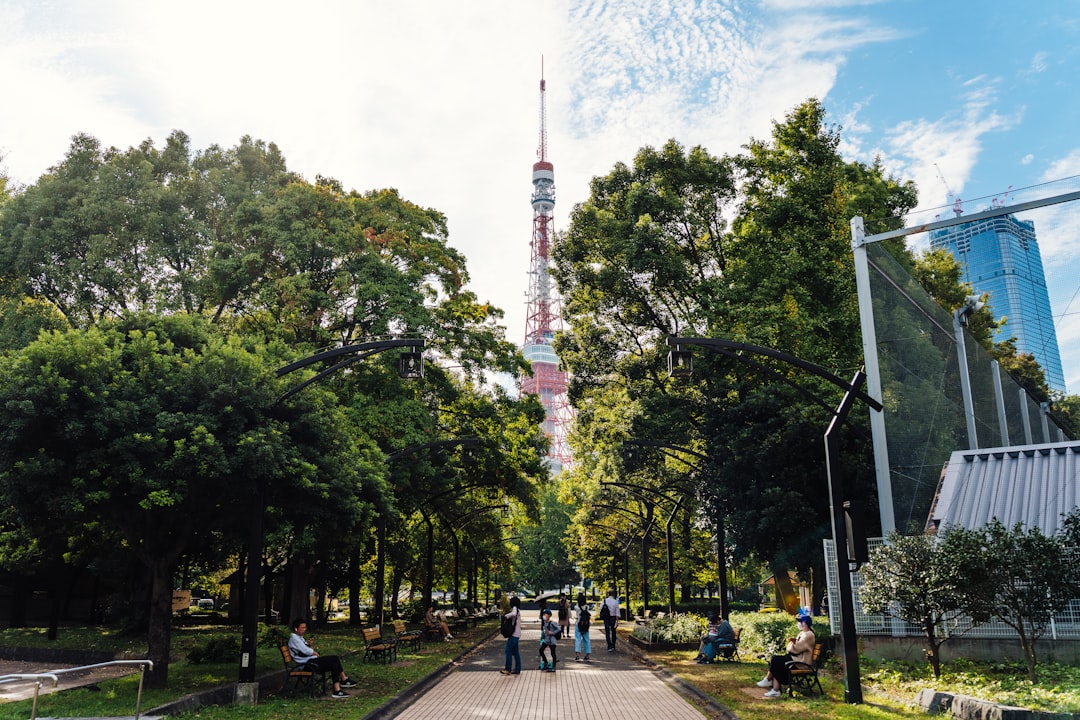
Tokyo experiences four distinct seasons, each offering unique charms.
Spring (March to May): Spring is one of the most popular times to visit Tokyo, primarily due to the cherry blossom season. Late March to early April sees the city adorned with beautiful sakura blooms. Weather is mild, ranging from the mid-50s to mid-70s °F, but be prepared for crowds, especially in parks and popular viewing spots.
Summer (June to August): Summer in Tokyo can be hot and humid, with temperatures often exceeding 85°F. June is the rainy season, while July and August bring vibrant festivals and fireworks. This period can be less crowded with tourists, which may help you find better deals on accommodations.
Fall (September to November): Fall is another prime time to visit, with comfortable temperatures and stunning autumn foliage. Late October to early November is particularly picturesque, with temperatures in the 60s to low 70s °F. This season tends to attract fewer tourists compared to spring.
Winter (December to February): Winter is cold, with temperatures dipping to the low 30s °F. However, Tokyo is beautifully illuminated with holiday lights, and traditional New Year celebrations create a unique atmosphere. If you don’t mind the chill, you can find great deals on flights and accommodations.
Where to Stay in Tokyo#
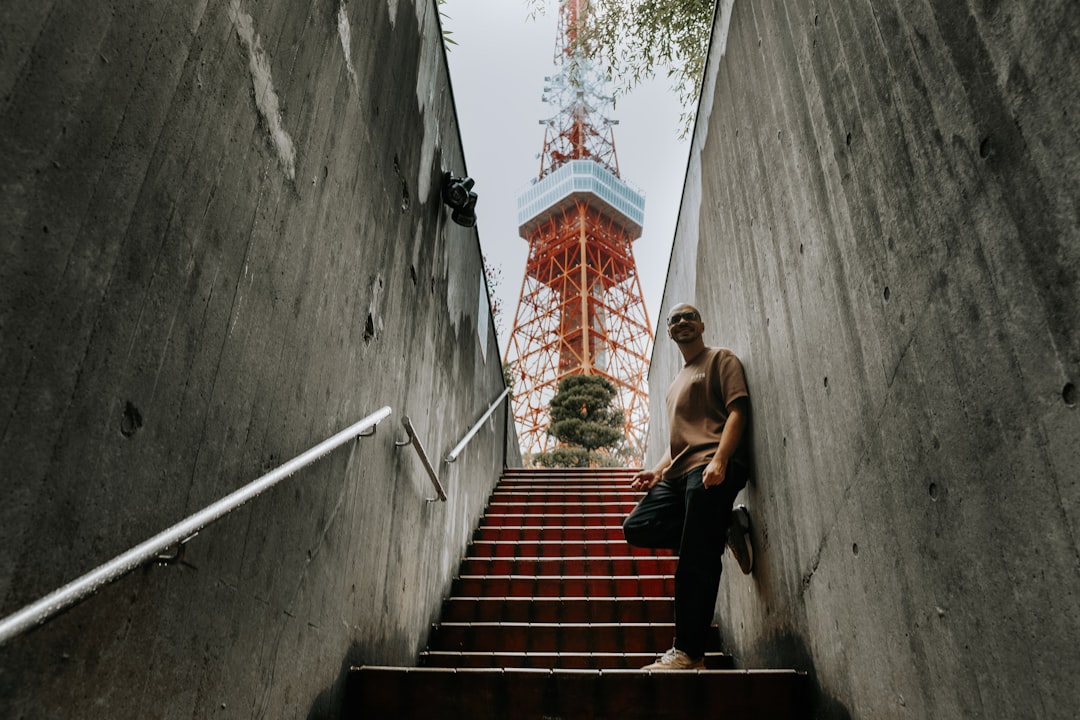
Finding the right neighborhood to stay in can greatly enhance your Tokyo experience. Here are some recommendations across different budget tiers:
Budget: The Asakusa area is perfect for budget travelers, offering affordable hostels and guesthouses. It’s close to Senso-ji Temple and provides a glimpse into traditional Tokyo, making it a great base for exploring the city.
Mid-Range: Shinjuku is a bustling hub with plenty of mid-range hotels and easy access to shopping, dining, and nightlife. The area is also home to beautiful parks and gardens, providing a nice escape from the urban hustle.
Luxury: For those seeking a more luxurious stay, the Ginza district offers high-end hotels and designer shopping. Located near the Imperial Palace and Tokyo Bay, Ginza is perfect for travelers wanting to indulge in a more upscale experience.
Trendy: If you’re looking for something a bit more offbeat, consider staying in the Nakameguro area. Known for its charming canals, boutique shops, and hip cafés, it provides a local feel while still being easily accessible to major attractions.
Top Things to Do in Tokyo#
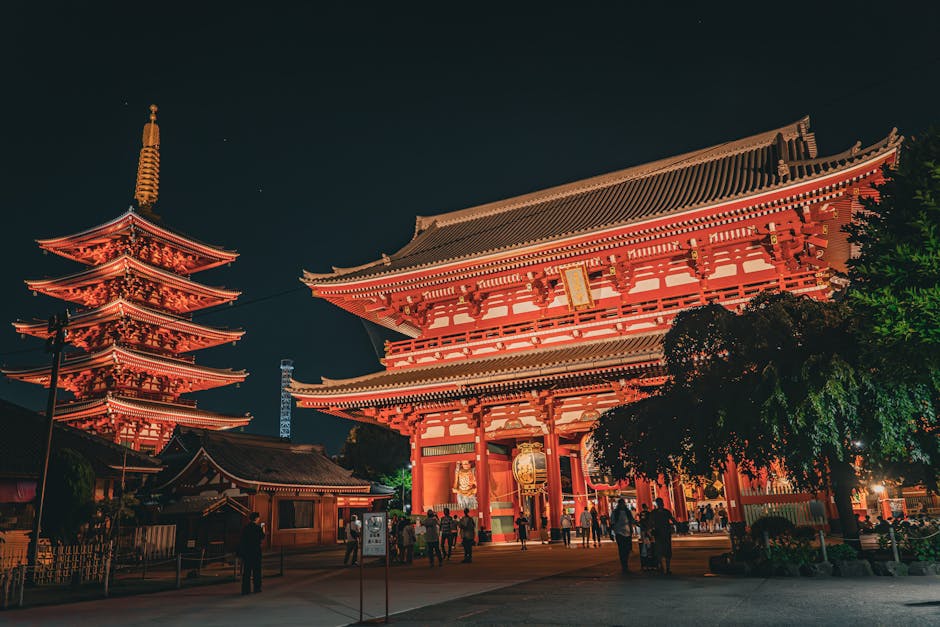
Visit Senso-ji Temple: This iconic temple in Asakusa is Tokyo’s oldest and most famous. The approach to the temple is lined with shops selling traditional snacks and souvenirs, making it a great spot to soak in the culture.
Explore Shibuya Crossing: Experience the world’s busiest pedestrian crossing in Shibuya. The organized chaos is a must-see, and don’t forget to snap a photo with the Hachiko statue nearby.
Stroll Through Ueno Park: This large public park is home to museums, a zoo, and beautiful cherry blossoms in spring. It’s a perfect spot to relax amidst nature while exploring cultural attractions.
Shop in Harajuku: Known for its quirky fashion and youth culture, Harajuku is a trendy neighborhood filled with unique boutiques and street art. Takeshita Street is a must-visit for the latest in Japan ese pop culture.
Discover Akihabara: This district is a haven for tech lovers and anime fans. Explore countless shops filled with electronics, manga, and video games, and immerse yourself in otaku culture.
Experience Tsukiji Outer Market: While the inner wholesale market has moved, the outer market remains vibrant. Sample fresh seafood, traditional snacks, and local delicacies as you wander through the stalls.
Relax at Meiji Shrine: Nestled in a forested area near Harajuku, this Shinto shrine is dedicated to Emperor Meiji and Empress Shoken. The peaceful atmosphere makes it a perfect escape from the city’s hustle.
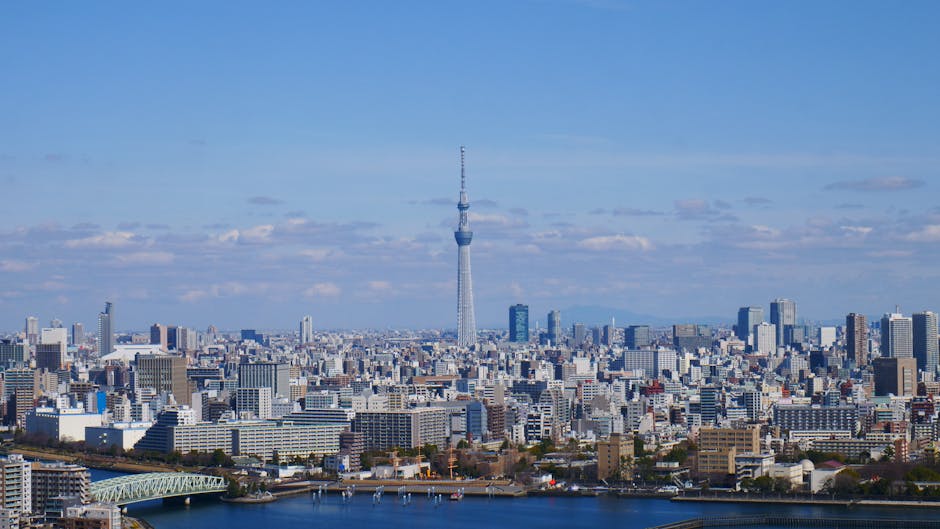
Take in the View at Tokyo Skytree: Standing at 2,080 feet, the Tokyo Skytree offers breathtaking panoramic views of the city. Consider visiting at sunset for a truly magical experience.
Enjoy a Themed Café: Tokyo is famous for its themed cafés, ranging from cat cafés to maid cafés. These unique experiences offer a fun and quirky way to enjoy local culture.
Visit the Imperial Palace: While you can’t enter most parts of the palace, the East Gardens are open to the public and offer a glimpse into Japan’s imperial history amidst beautiful landscaping.
Food and Dining Guide#
Tokyo is a food lover’s paradise, offering a vast array of culinary delights. Here are some local cuisine highlights and must-try dishes:
Sushi: You can’t visit Tokyo without indulging in sushi. Whether you opt for a conveyor belt sushi experience or a high-end omakase restaurant, the quality is outstanding.
Ramen: Another staple, ramen comes in various styles and flavors. Try a rich tonkotsu (pork bone) broth or a lighter shoyu (soy sauce) base, and don’t forget the toppings!
Okonomiyaki: This savory pancake filled with vegetables, meat, and seafood is a must-try. Many restaurants offer a DIY experience where you can cook it yourself at the table.
Tempura: Lightly battered and fried vegetables or seafood make for a delicious treat. Tempura restaurants often serve it with a dipping sauce and grated daikon radish.
Street Food: Explore the many street food stalls for delicious snacks like yakitori (grilled chicken skewers), takoyaki (octopus balls), and sweet mochi. These quick bites are perfect for a casual lunch or snack on the go.
When dining out, you’ll find a mix of casual eateries and upscale restaurants. Be sure to try local izakayas (Japanese pubs) for a more traditional dining experience.
Getting Around Tokyo#
Tokyo boasts an efficient and extensive public transportation system, making it easy to navigate the city.
Subway and Trains: The Tokyo Metro and Toei Subway systems cover most of the city, with signs in English. A prepaid Suica or Pasmo card can make travel even smoother, allowing you to hop on and off without purchasing individual tickets.
Buses: While less common for tourists, buses can take you to areas not covered by trains. They also have English signage, so don’t hesitate to use them.
Taxis: Taxis are available, but they can be more expensive than public transit. They’re a good option late at night when trains are no longer running.
Walking: Many neighborhoods are walkable, and strolling through the streets can lead to delightful discoveries, from hidden shops to charming parks.
Rental Cars: Renting a car is generally not recommended due to heavy traffic and expensive parking. Public transportation is more efficient for navigating the city.
Budget Breakdown#
Understanding your budget is key to enjoying your Tokyo trip. Here’s a rough estimate of daily expenses:
Budget Travelers: Expect to spend around $50-70 per day. This includes staying in hostels or budget hotels, eating at casual eateries, and using public transport.
Mid-Range Travelers: A budget of $150-250 per day is reasonable. This allows for comfortable accommodations, a mix of dining options, and entry fees for attractions.
Luxury Travelers: For a lavish experience, budget $400 and up per day. This covers high-end hotels, fine dining, and private tours or experiences.
Travel Tips for Tokyo#
Safety First: Tokyo is one of the safest cities in the world, with low crime rates. However, always keep an eye on your belongings, especially in crowded areas.
Tipping Culture: Tipping is not customary in Japan and can even be seen as rude. Exceptional service is expected, and prices often include service charges.
Language Barrier: While many Japanese people understand basic English, it’s helpful to learn a few key phrases. Downloading a translation app can also be beneficial.
SIM Cards and Wi-Fi: Consider getting a pocket Wi-Fi rental or a Japanese SIM card for easy internet access. This can help with navigation and communication.
Cash is King: Although credit cards are accepted in many places, cash is still widely used. Make sure to carry yen for smaller shops and eateries.
Avoiding Scams: While rare, scams do exist. Be cautious of overly friendly strangers offering unsolicited help or deals that seem too good to be true.
Respect Local Customs: Familiarize yourself with Japanese etiquette, such as bowing when greeting, removing shoes when entering homes, and being quiet on public transport.
Tokyo is a city that promises to leave a lasting impression, whether it’s your first visit or a return trip. As you explore its dynamic neighborhoods, savor its incredible cuisine, and engage with its rich culture, you’ll understand why this city is a must-see destination for travelers from around the globe. If you’re also considering a trip to Hong Kong, China , check out our guide for more travel inspiration!