📌 Disclaimer
Prices, schedules, tour details, flight routes, visa requirements, and all other information on this page are based on data at the time of writing. Fares, availability, and policies may change. Please verify current details on the official website before booking.
Photo by Alvaro Camacho on Pexels
Why Visit Vienna ?#
Vienna, the capital of Austria, is a city that effortlessly blends imperial history with a modern, vibrant culture. It’s renowned for its stunning architecture, from the opulent palaces of the Habsburg dynasty to the contemporary designs that dot the cityscape. The rich musical heritage of Vienna, often referred to as the “City of Music,” resonates through its historic concert halls and opera houses, making it a pilgrimage site for classical music lovers. The city is home to legendary composers such as Mozart, Beethoven, and Strauss, whose legacies continue to influence the cultural fabric of Vienna.
Beyond the music and architecture, Vienna is a culinary delight. Its coffee culture is world-famous, with traditional coffeehouses that serve as social hubs where locals and visitors alike can enjoy a slice of Sachertorte or a Melange. The city is also a gateway to the picturesque landscapes of the Austrian countryside, making it an ideal base for day trips to places like the Wachau Valley or the Danube River. Whether you’re wandering through the historic streets, indulging in local delicacies, or soaking up the artistic atmosphere, Vienna offers a unique experience that captivates and enchants.
Best Time to Visit Vienna#
Vienna experiences four distinct seasons, each offering a different charm.
Spring (March to May): Spring is one of the best times to visit Vienna, as the city comes alive with blooming flowers and outdoor events. Temperatures range from 45°F to 65°F, making it pleasant for sightseeing. Crowds are moderate, especially in March and April, as many tourists wait for the warmer weather in May. Prices for accommodations and attractions are generally lower in early spring.
Summer (June to August): Summer is the peak tourist season in Vienna, with temperatures ranging from 60°F to 80°F. The city buzzes with outdoor festivals, concerts, and events. However, this popularity comes with larger crowds and higher prices, particularly in July and August. Booking accommodations in advance is advisable if you plan to visit during this time.
Autumn (September to November): Autumn is another great time to visit. The weather is mild, with temperatures between 50°F and 70°F, and the summer crowds have dissipated. September is particularly delightful, as the city hosts various wine festivals. Prices start to drop in November, but the weather can be unpredictable, so packing layers is wise.
Winter (December to February): Winter in Vienna is magical, especially during the holiday season when Christmas markets fill the city with festive cheer. Temperatures can drop to around 30°F, so warm clothing is essential. While this season sees fewer tourists, it’s also when prices for accommodations can be lower, making it a good time for budget-conscious travelers. Just be prepared for shorter daylight hours and the possibility of snow!
Where to Stay in Vienna#
Choosing the right neighborhood can enhance your experience in Vienna. Here are some recommendations across different budget tiers:
Budget: If you’re looking to save, consider staying in the districts of Leopoldstadt or Favoriten. These areas offer affordable accommodations while still being a short distance from the city center. You’ll find hostels and budget hotels that cater to young travelers and backpackers.
Mid-Range: The 7th district, known as Neubau, is a trendy area filled with boutique hotels, shops, and cafés. It’s a great place to experience local culture while being close to major attractions. Another excellent choice is the 4th district, Wieden, which offers a mix of traditional and modern influences, along with a variety of dining options.
Luxury: For a more upscale experience, look at the Innere Stadt, the historic center of Vienna. This area is home to high-end hotels and is within walking distance of many of the city’s most famous landmarks, including St. Stephen’s Cathedral and the Vienna State Opera. Alternatively, the 3rd district, Landstraße, offers luxurious accommodations with easy access to the Belvedere Palace and the city’s green spaces.
Top Things to Do in Vienna#
Schönbrunn Palace: A UNESCO World Heritage site, this former summer residence of the Habsburgs boasts stunning gardens and opulent rooms. Don’t miss the chance to explore the vast grounds and enjoy a concert in the palace gardens during the summer months.
St. Stephen’s Cathedral: This iconic Gothic cathedral is the heart of Vienna. Climb the tower for breathtaking views of the city, or simply admire the intricate architecture from the square below.
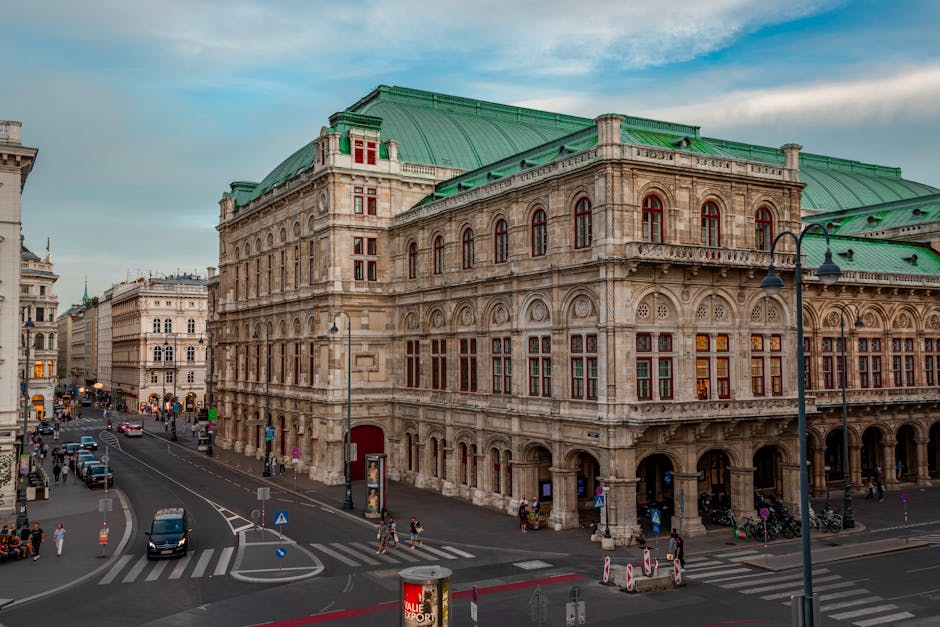
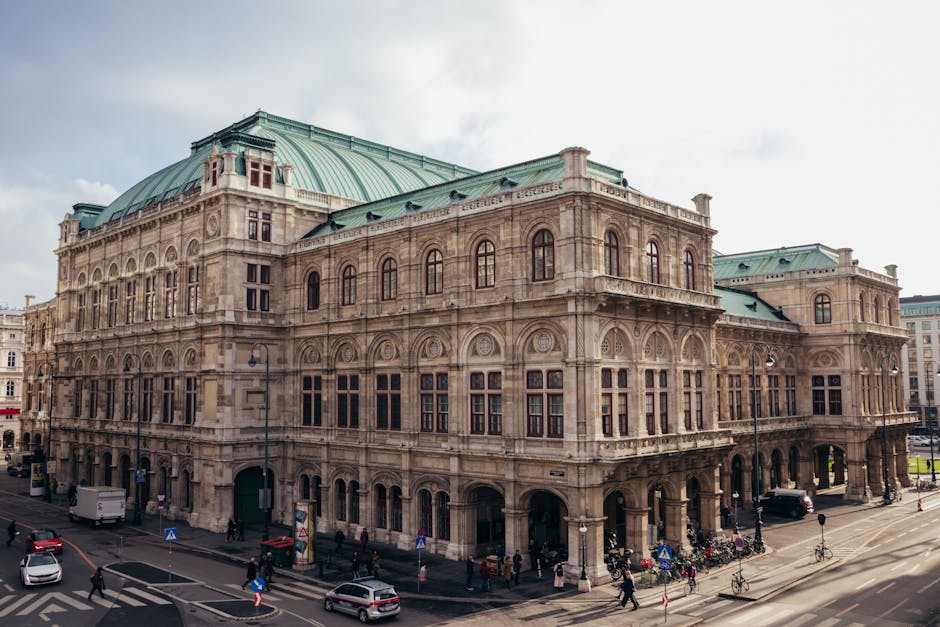
Vienna State Opera: A must for music lovers, the Vienna State Opera offers guided tours and performances throughout the year. Be sure to check the schedule and consider attending a show for an unforgettable experience.
Belvedere Palace: This baroque masterpiece houses an impressive collection of Austrian art, including works by Gustav Klimt. The gardens provide a peaceful retreat and stunning views of the city.
Naschmarkt: A vibrant food market that has been around for over a century, Naschmarkt is the perfect place to sample local delicacies. Stroll through the stalls, enjoy some street food, or sit down for a meal in one of the many restaurants.
The Hofburg Palace: Once the imperial palace of the Habsburg dynasty, the Hofburg now serves as the official residence of the President of Austria. Explore the imperial apartments, the Sisi Museum, and the Spanish Riding School.
Museum Quartier: This cultural complex is home to several museums, including the Leopold Museum and the Museum of Modern Art. It’s an excellent area to spend an afternoon, with plenty of cafés and outdoor spaces to relax.
Prater Park: Home to the iconic Giant Ferris Wheel, Prater Park is a great place to unwind. Enjoy a leisurely walk or rent a bike to explore the expansive park, which offers a mix of nature and amusement rides.
Vienna’s Coffeehouses: Step into a traditional Viennese coffeehouse for a taste of the local culture. These historic spots are perfect for sipping coffee and enjoying a pastry while people-watching.
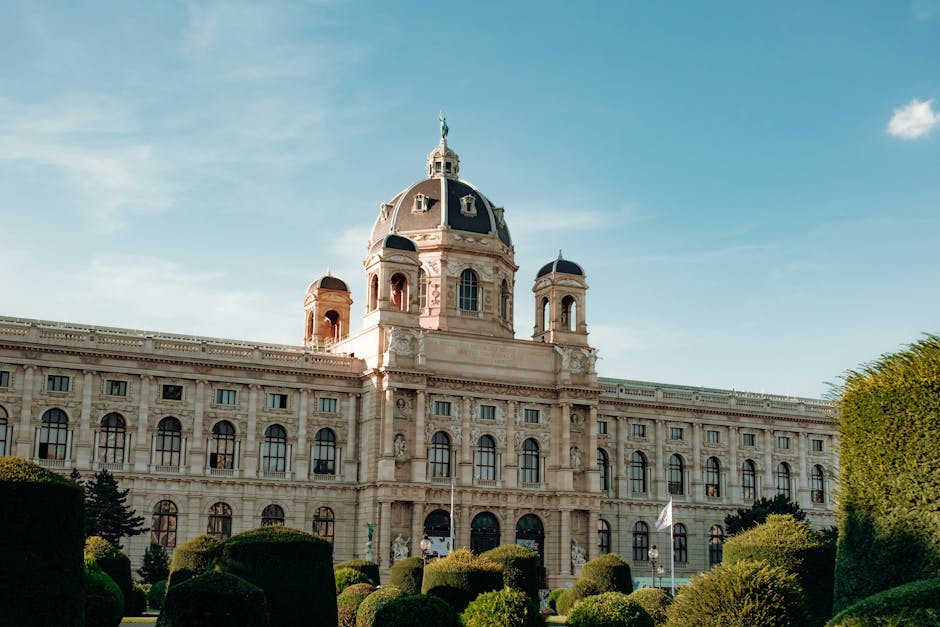
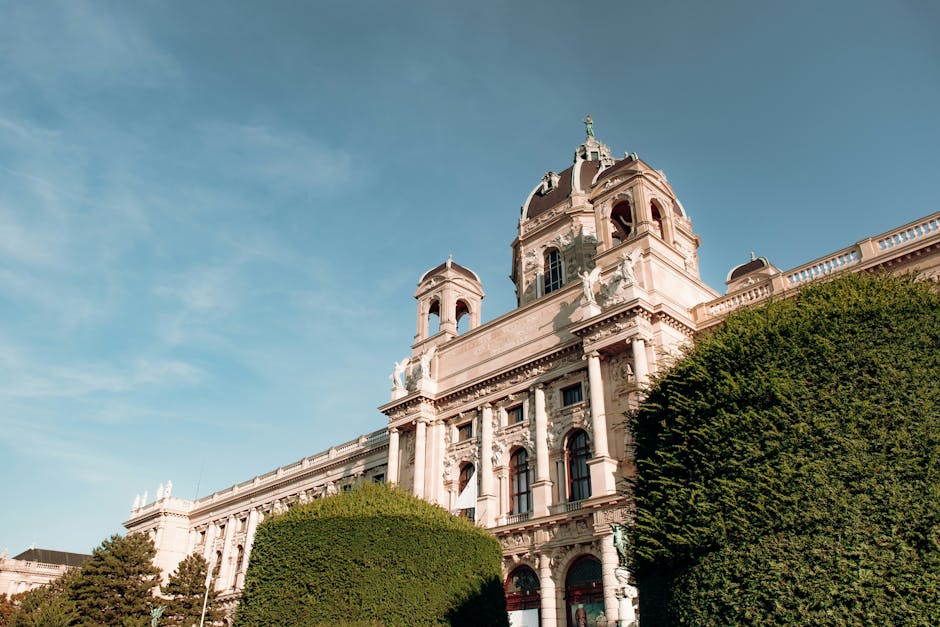
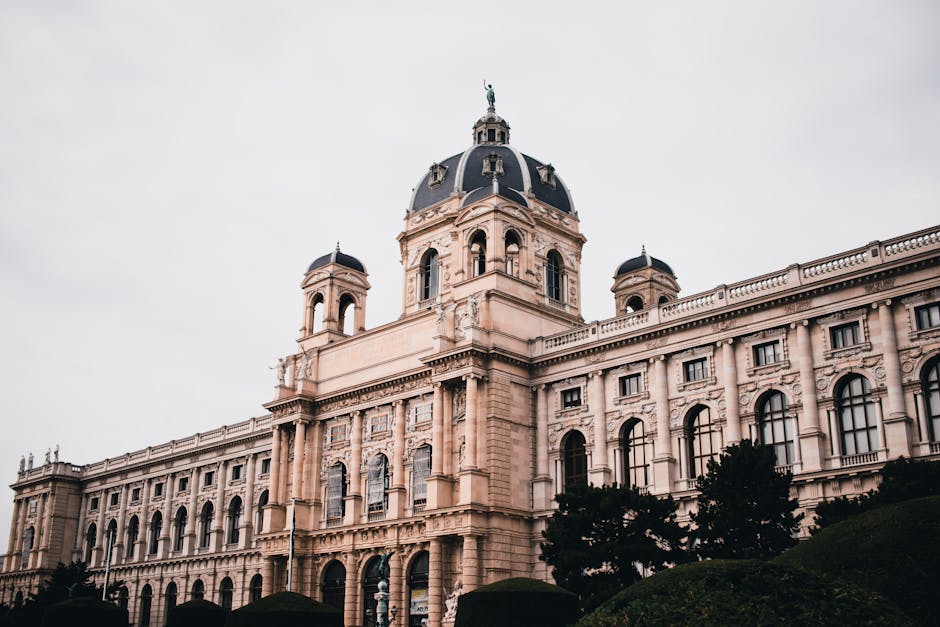
Kunsthistorisches Museum: Art enthusiasts will appreciate this museum’s vast collection of artworks, including pieces by Vermeer, Rembrandt, and Raphael. The building itself is a work of art, making it a must-visit.
Food and Dining Guide#
Vienna’s culinary scene is as rich as its history. The city offers a delightful mix of traditional dishes and contemporary cuisine. Here are some local highlights:
Wiener Schnitzel: This iconic dish consists of breaded and fried veal, typically served with a lemon wedge and potato salad. It’s a must-try for any visitor.
Sachertorte: A delicious chocolate cake with a layer of apricot jam, Sachertorte is a classic Viennese dessert. Pair it with a cup of coffee for the full experience.
Apfelstrudel: This apple pastry, often served warm with vanilla sauce or whipped cream, is a comforting dessert that showcases Austrian culinary tradition.
Tafelspitz: A boiled beef dish traditionally served with root vegetables and horseradish, Tafelspitz is a hearty meal that reflects Vienna’s culinary heritage.
Street Food: For a quick bite, head to food stalls at Naschmarkt or local markets. Try some Käsekrainer (cheese-filled sausages) or Langos (deep-fried flatbread), which are popular among locals.
Dining options abound, from casual eateries to upscale restaurants. Don’t hesitate to explore the local dining scene, as many establishments offer seasonal menus that highlight fresh ingredients.
Getting Around Vienna#
Vienna boasts an efficient public transportation system, making it easy to navigate the city. The U-Bahn (subway) is the quickest way to reach most attractions, while trams and buses provide convenient options for shorter distances. A single ticket is valid for all modes of transport within the city limits, and day passes are available for those planning to explore extensively.
Walking is also a great way to experience Vienna, especially in the city center, where many attractions are within walking distance. If you prefer more flexibility, consider renting a bike, as the city has numerous bike lanes and rental stations.
Taxis are available but can be more expensive. Rideshare services are also operational in Vienna, offering another option for getting around, especially late at night.
Budget Breakdown#
Understanding your budget is essential for a successful trip. Here’s a rough daily budget estimate for different types of travelers:
Budget Travelers: Expect to spend around $50-70 per day. This includes accommodation in hostels or budget hotels ($30-50/night), meals at inexpensive restaurants or street food ($10-15), and public transportation ($5-10).
Mid-Range Travelers: A daily budget of $150-250 is reasonable. This includes staying in mid-range hotels ($80-150/night), dining at local restaurants ($20-40), and activities or entrance fees ($20-40).
Luxury Travelers: For a more upscale experience, budget $300 and up per day. This would cover luxury accommodations ($200-400/night), fine dining experiences ($50-100), and exclusive activities or tours ($50-100).
Keep in mind that prices can fluctuate based on the season, so planning ahead can help you snag better deals.
Travel Tips for Vienna#
Safety: Vienna is generally safe for travelers, but it’s always wise to stay aware of your surroundings and keep an eye on your belongings, especially in crowded areas.
Tipping: It’s customary to round up your bill or leave a tip of around 10% at restaurants. In coffeehouses, leaving small change is appreciated.
Language: While German is the official language, many Austrians speak English, especially in tourist areas. A few basic German phrases can enhance your experience and are appreciated by locals.
SIM Cards: If you need mobile data, consider purchasing a local SIM card at the airport or in the city. Prepaid options are available and can be a cost-effective way to stay connected.
Scams to Avoid: Be cautious of street performers who may ask for money after performing. While most are genuine, some may not be, so use your discretion.
Public Transport: Validate your tickets before boarding trains or buses to avoid fines. The metro operates frequently, making it easy to navigate the city.
Cultural Etiquette: Austrians value politeness. A simple greeting and saying “Danke” (thank you) can go a long way in establishing goodwill with locals.
Vienna is a city that offers a wealth of experiences, from its rich history to its vibrant culture and culinary delights. Whether you’re visiting for a weekend or an extended stay, the charm of Vienna is sure to leave a lasting impression. If you’re also considering a trip to Tallinn, Estonia or Cinque Terre, Italy , check out our guides for more travel inspiration!